



Posts Tagged ‘BPA’

The Health Impact of Endocrine Disruptors & How to Avoid Them

endocrine disruptors pregnancy

At Nine Naturals we’re committed to providing you with the information you need to make safe and smart beauty choices. You may have heard the phrase “endocrine disrupting chemical” thrown around in ominous ways. Since these chemicals are certainly a cause for concern, we wanted to help you understand what endocrine disruptors are and how to avoid them.

The Importance of the Endocrine System

The endocrine system influences nearly 100% of our body – and instructs our long-term growth process from the cell level to the organ level. It is comprised of glands that produce hormones, the hormones themselves that travel through the body as messenger and then cell receptors in tissues in organs that receive those messages. Hormones maintain proper functioning of many bodily processes – including growth, reproduction, mood and metabolism.

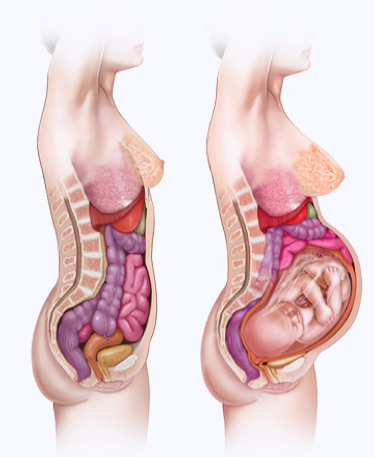
Protecting the proper functioning of your endocrine system is particularly important during pregnancy when a finely tuned balance of hormones regulates fetal development.

How Endocrine Disruptors Affect Our Health

Endocrine disruptors are chemicals that interfere with the normal functioning of the endocrine system. Endocrine disruptors can prevent our bodies from working properly by changing the behavior of hormones. They can also affect the production of hormones themselves causing similar disruptions.

One of the most common ways endocrine disruptors can cause harm is by mimicking estrogen. For instance both, Bisphenol-A (BPA), which is found in many plastics, and parabens, which are widely used as preservatives in food and personal care products, have been shown to act in this fashion. This can impact both fertility and fetal development.

Exposure to endocrine disruptors, particularly at developmentally vulnerable periods in a person’s life (including as a developing fetus or young child), have been associated with

Birth Defects - including deformities and early-term births
Developmental disorders - including ADHD, learning disabilities
Reproductive development – including sexual development and fertility problems
Childhood obesity
Cancer- notably breast, liver and thyroid cancers

Where Endocrine Disruptors Can Lurk

First, consider a quote from this NIH study on EDCs in humans reflecting the prevalence of EDCs

… a consumer who used the alternative surface cleaner, tub and tile cleaner, laundry detergent, bar soap, shampoo and conditioner, facial cleanser and lotion, and toothpaste (a plausible array of product types for an individual) would potentially be exposed to at least 19 compounds: two parabens, three phthalates, MEA, DEA, five alkylphenols, and seven fragrances.

The most common endocrine disruptors are

  • Bisphenol A (BPA): These are common in consumer plastics like plastic food containers and the linings of canned food and formulas.
  • Parabens: A preservative found in personal care products. On an ingredients label, it is commonly listed with the prefix butyl-, ethyl-, methyl-, or propyl-.
  • Phthalates: A chemical found in plastics to help make them more flexible. Also used to hold fragrance in personal care products, perfumes and other products that include artificial fragrances.
  • Polybrominated diphenyl ethers (PBDEs): Extremely common in flame retardants – and banned in the EU, but still legal in the US. YES, PBDEs are the reason Nine Naturals and many other organizations warn parents about their children’s mattresses. PBDEs are also found in other consumer products like electronics.
  • DDT: These were common in pesticides in the early 20th century, but are illegal in most countries. DDC has persisted in the environment, however, and can be found glaciers, animals in the wild and other parts of the environment.
  • Polychlorinated biphenyls (PCBs): Largely banned now, PCBs were used in factories as industrial lubricants and coolants. Now they are unfortunately found in the environment due to factory run-off dating back to the 1970’s.

Tips for Avoiding Endocrine Disruptors

Here are a few key tips to reduce your exposure:

  1. Avoid using plastics as much as possible, particularly when it comes to storing food and beverages where chemicals from plastics can seep into what you eat and drink. Opt for glass and stainless steel containers.
  2. Use personal care products free of endocrine disrupting chemicals, such as Nine Naturals.
  3. Take the time to read ingredients labels. Purchase products from companies that disclose 100% of their ingredients. Apply this practice not only to personal care products, but also to household products and food.
  4. Be especially wary of fragrances in personal care products and household products. Avoid products that have the word “Fragrance” on their ingredient labels and do not disclose the components of their fragrance.
  5. Eat organic as much as possible to limit pesticide intake.

At the moment the debate on how to regulate endocrine disruptors is still ongoing. This is why it’s important to both understand the ingredients in a product and to look for products free of chemicals when trying to minimize exposure. At Nine Naturals we pride ourselves in creating toxin-free, 100% plant-based products that are free of endocrine disrupting chemicals. We do the work, so you don’t have to worry.

_________________________

REFERENCES:

Long-Term Effects of Environmental Endocrine Disruptors on Reproductive Physiology and Behavior. Patisual et al. Frontiers in Behavioral Neuroscience.

Endocrine Disruptors and Asthma-Associated Chemicals in Consumer Products. Dodson RE, Nishioka M, Standley LJ, Perovich LJ, Brody JG, Rudel RA. National Institutes of Health.

Endocrine Disruptor. Multiple. Wikipedia.

Steroids and endocrine disruptors-History, recent state of art and open questions. Hampl et al. Journal of Steroid Biochemistry and Molecular Biology.

Parabens. From Environmental Studies to Human Health. Bledzka et al. Environment International.

Endocrine Disruption of the Epigenome: A Breast Cancer Link. Knower et al. Endocrine-Related Cancer.

Phthalates impair germ cell development in the human fetal testis in vitro without change in testosterone production. Lambrot et al. Environmental Health Perspectives.

Developmental neurotoxicity of ortho-phthalate diesters: review of human and experimental evidence. Miodovnik et al. Neurotoxicology.

Transplacental Passage of Antimicrobial Parabens. Towers et al. Obstetrics and Gynecology.

Low dose effects and non-monotonic dose responses for endocrine active chemicals: science to practice workshop: workshop summary. Beausoleil et al. Chemosphere.
Things We’ve Read: Week of February 10th

magazine-stack

Why We Did a 180 With Our Fertility Plan (Babble): An interesting story about one couple’s experience with fertility treatments and their decision to bring conception back “in house.”

Does Your Baby’s Poop Smell Better Than Other Babies’ Poop? (Gawker): Why, yes. Of course my baby’s poop smells better than other babies’ poop.

Baby heart-disease risk ‘shaped early in pregnancy (BBC): A recent piece of research discusses the connection between baby’s first trimester growth and cardiovascular health outcomes.

Study finds liver tumors in mice exposed to low levels of BPA (UMichigan): More evidence on the importance of avoiding BPA. This new study finds liver tumors in mice exposed to BPA from their mothers when they were fetuses, and through nursing.

5 Tools for Pregnant Women, New Moms, and Women Who Are Considering Pregnancy (CDC): From health e-cards to a folic acid quiz to pregnancy health reminders, here are a few tools the CDC offers pregnant women.

Ten Green Resolutions for 2014!

images

A new year has begun! We turn over a new leaf and welcome another opportunity to break old habits and make real improvements in our lives. Many of us spent 2013 contemplating the switch to a green lifestyle, but didn’t know the best way to start.

Our list of 2014 green resolution tips will help you get started! Follow one, two, or all of our tips, and you’ll notice a great change in the New Year.

  1. Rely on Nine Naturals for a beautifully clean 2014! We are proud to carry 100% all-natural, 100% plant-based products that designed to help pregnant women feel beautiful without compromise. Every Nine Naturals product, from our rich Moisturizing Body Cream to our Mandarin + Ginger Restorative Conditioner, will spoil you and keep you, your baby and our environment safe. Check out our luxurious line today!
  2. Opt for chemical-free cleaning products. Did you know that using traditional cleaning chemicals can create indoor air that is two to three times more polluted than the air outside? In 2013, many organizations around the country, including the state of California, began pushing for regulation on chemicals in common household products. Find a list of eco-friendly cleaning alternatives (some of them right in your kitchen cabinet) in our Greening Your “Clean” Routine article.
  3. Get in on the green nursery trend. In 2014, expect a boom in the number of new parents considering a green sanctuary for their newborn. But as our popular article makes clear, green nurseries are much more than a trend. From the mattress to the crib to the cleaning products to the air filter, they provide an excellent way to secure a baby’s health during her important formative years.
  4. Vow to steer clear of chemicals at the hair salon. Chemical-heavy treatments like hair dyeing and chemical straightening can expose you to damaging chemicals and even carcinogens. We’ve published several articles on great alternatives to these harsh treatments.
  5. Line-dry your laundry. Take advantage of sunny days to let the heat dry your clothes naturally, which can seriously save on both energy and money. Find more tips on greening your laundry with our blogpost here.
  6. Don’t let product labels intimidate you! At first glance, they’re just so darn difficult to read. But toxic chemicals are a reality in any number of commonly used household and cosmetic products and it’s crucial to arm yourself with the knowledge to avoid them. Trust us - you can become a fast expert on deciphering an ingredient list! Check out How to Read a Label to get you started!
  7. Eat organic whenever possible. This resolution can significantly reduce how much you expose your body to harmful chemicals and pesticides through what you eat. But you don’t always have to make the organic choice. The Dirty Dozen are the foods you should always eat organic (like apples and peaches), while the Clean Fifteen (eggplant, kiwi) are fine to eat conventionally. The Environmental Working Group provides a handy list for both.
  8. Ditch the plastic water bottles. This might be the hardest resolution to keep, since plastic bottles are so convenient and widespread. But these bottles often harbor harmful chemicals like bisphenol-A and phthalates and are an albatross on global environmental health.
  9. Instead, choose stainless steel and glass over plastic. These materials do not include the toxic chemicals that plastic containers can. Have no choice but to use plastic, though? Remember this rhyme for your safety: “4, 5, and 2 — all the rest are bad for you!”
  10. Increase your environmental shopping consciousness. Lastly, do what you can to augment your mindfulness of Mother Earth whenever you shop. Examples of how to do it: buy in bulk, and choose the farmer’s market over the grocery store. Bone up on the many ways you can be a greener shopper with the help of our Green Tip article.

Things We’ve Read – Week of December 16th

Untitled

AAP Advises Women & Children Not to Consume Raw Milk Products (American Academy of Pediatrics): One of the leading medical groups for pediatrics supports a ban on the sale of raw milk in the U.S. and advises pregnant women, infants and children to consume only pasteurized milk, cheese and other milk products.

Weighing Cord Blood Donation Against Private Banks (NYTimes): Cord Blood is controversial topic and a personal decision for every new parent. Cara Paiuk helps readers consider whether a private cord blood bank the right choice.

Bigger Postpartum Challenges Than Just Baby Weight (Wall Street Journal): While you’re pregnant … why you should get out of bed by lying on your side and pushing yourself up with their arm. Read more about recent discoveries about the impact of pregnancy on your muscles and bones.

Ask Well: Sterilizing Baby Bottles? (NYTimes): Awesome video by Zena & Zeke on why we don’t need to sterilize baby bottles like our moms and grandmothers did. Plus an great mini-history of baby bottles!

263 “Pregnancy” Recipes from India! (Tarladalal):Looking for some new ideas for healthy recipes during pregnancy? We love these Indian recipes - focused specifically on pregnancy health.

The Children’s Environmental Health Center at Mt. Sinai Releases New York State’s Report on Children & the Environment

Screen Shot 2013-12-15 at 3.41.08 PM

“Children in New York today are at risk of exposure to more than 80,000 synthetic chemicals … Information on possible health effects is not available for half of the most most widely manufactured chemicals. Information on developmental toxicity to infants and children is not available for 80% of the most widely manufactured chemicals.”

The Children’s Environmental Health Center recently published an important report on the status of children’s health in New York State. The document concludes overall that, despite the enormous gains in kids’ health quality over the decades, chronic diseases are still on the rise, largely as a result of environmental factors.

  • Asthma diagnoses among children have tripled in New York State, most likely due to triggers such as air pollutants and cigarette smoke.
  • Birth defects are now the leading cause of infant death. The report cites phthalates in consumer products as one cause of birth defects.
  • Developmental & other neurobehavioral disorders like autism have increased substantially. Researchers attribute 28% - that’s more than a quarter - of cases environmental toxins.
  • Leukemia and brain cancer incidents have surged by 40% since the mid-1970s.
  • Lead poisoning — which can cause adverse brain damage even at low levels — impacts more than 2,000 children each year in New York State.
  • Child obesity, always a hot-button issue, continues to plague children’s health and has tripled over the past 3 decades. One third of all NY public school students are overweight. It is linked to endocrine disruptors - particularly BPA.

These problems in children’s health are also a major cost to New York State - reaching billions of dollars in treatment costs. Environmentally attributable asthma alone, for instance, amounted to $4.3 billion in costs. Environmentally attributable cases of autism and ADHD total $1.04 billion.

The report does indicate that such environmentally attributable diseases are preventable. It also argues that primary prevention, “the elimination of exposure to an environmental hazard at its source,” is much more effective than secondary measures in controlling children’s health. Mt. Sinai’s CEHC recommends building Centers of Excellence across NY state with medical professionals and other professionals who will provide

  1. actual, researched-based guidance on children and environmental factors
  2. educational outreach
  3. timely messaging on acute health events
  4. collaboration on community-level issues with key stake-holders

For information about how to avoid environmental toxins, checkout the CEHC’s section on “Resources for Parents” and “Greening our Children.” Also checkout Nine Naturals blogposts on environmental toxins:

What are Sulfates and Our Top Tips to Avoid Them

Cooking Like a Natural. Safe & Effective Alternatives for Non-Stick Cookware

Greening Your “Clean” Routine! Using Safe Cleaners in the Home

Minimizing Toxins While Breastfeeding

All about Phthalates! Why and How to go Pthalate-Free

What are parabens and the dangers they pose? You’d be surprised.

How to Read a Label? Standards, Labeling, Honesty & Deception on Product Labels

Creating a Green Nursery … a Healthy Space for your Newborn!