Posts Tagged ‘all natural haircare’

Nine Naturals Ingredient Story: Moroccan Argan Oil

Argan Oil

At Nine Naturals, we’re on a mission to make beauty simple, smart and safe for moms and moms-to-be. Integral to that is understanding our ingredients’ science and benefits. Today, we launch Nine Naturals Ingredient Story Series with ongoing features on the natural, plant-based ingredients behind our high performance beauty products.

You’ve likely heard about argan oil in advertisements for cosmetics and hair care products. Does the ingredient deserve the hype? Absolutely.

Known as the “Moroccan miracle,” argan oil has taken the beauty world by storm with its rich compounds and advantages for health-troubled hair. Read on to learn more about the argan oil sensation.

The Science & Extraction of Argan Oil

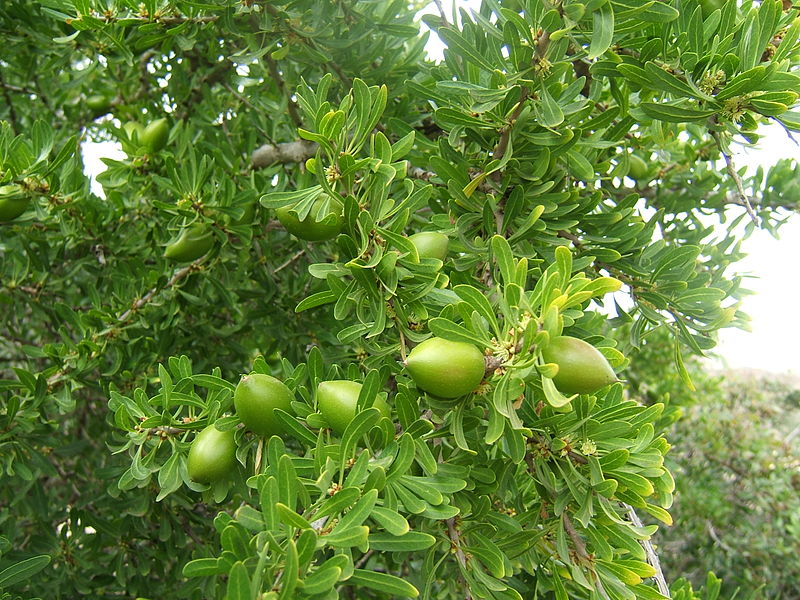
Argan oil is produced from the nuts of the argan tree (Argania spinosa L.) from Morocco. The argan nuts are dried in the sun and then the flesh is removed to reveal the (1 to 3) kernels within. The pulp from these kernels is roasted and then pressed and ground to produce unfiltered argan oil. After it is decanted, the oil is ready for prime time, whether for cosmetic or culinary purposes.

Interestingly, most of the process of extracting argan oil from argan nuts continues to be manual. Attempts to mechanically separate the kernels from the outer flesh and the pulp from the kernels have largely proven inferior to manual methods.

The oil contains high levels of vitamin E, omega fatty acids (especially linoleic acid), sterols, squalene, and phenolic antioxidants. A word on linoleic acid: the compound is an extraordinary remedy for dry, weak, and frizzy hair. This makes argan oil all the more optimal for beautiful locks. As an added plus for pregnant women, argan oil is also naturally non-fragrant.

Benefits of Argan Oil

Argan oil wins even more appeal for serving as a secret weapon for exceptional hair. It’s an extraordinary moisturizer, instantly hydrating hair and lending a beautiful shine. Extremely lightweight, argan oil absorbs almost instantly and leaves a non-greasy finish to the hair and fingers. It nourishes and strengthens both the hair and the scalp, promoting growth in your locks and warding off itchiness and dandruff. In short, argan oil is a wonder oil for women who value high performance beauty products.

Why Nine Naturals Loves Argan Oil

Having researched argan oil’s benefits, we knew we had to incorporate this great ingredient into our Mandarin + Ginger Restorative Conditioner for its high levels of vitamin E and for its contribution to beautiful luster in hair. Argan oil also helps to correct damage to follicles and gives them strength, making it a great ingredient for colored or frequently styled hair. Argan is also great for pregnant women, as it can help hair survive the impact of hormones both before and after baby’s birth. The oil achieves this because it can deeply penetrate the follicles and increase hair’s natural elasticity.

Argan oil is a beauty marvel. We build on argan oil’s assets by pairing it with other powerful ingredients like macadamia seed oil, shea butter, and Vitamin B5, all of which contribute to a healthy, natural and intensely restorative conditioning for your stunning hair.

Argan Oil Among Many Others!

What ingredients pique your curiosity? Allantoin, Vanillin, Broccoli Oil …? You can learn more about the carefully selected ingredients behind Nine Naturals products in our Ingredients Glossary.


Save Your Skin! 8 Ways to Beat Dry Skin this Winter

Pregnant-woman-1024x680

Save your skin! Fight the itch! Dry, itchy skin is a common discomfort among pregnant women.

There are several things that affect moisture retention and cause the itchiness that most pregnant women experience.

  • stretching of skin caused by weight gain and swelling
  • hormonal changes due to, well, just being pregnant
  • dehydration due to your body demanding more water to account for the increased blood volume

Most women experience dry, itchy skin around their bellies, but it can also feel that way in other areas where your skin tends to stretch during pregnancy - like around the hips, thighs and breasts. And now comes winter. Dry skin can be especially bothersome during the winter months. Indoor air dries up from heaters. And the cold outdoor winds challenge your skin. So what’s a girl to do?

Here are our top tips for soothing your dry itchy skin naturally:

1. Moisturize after the shower. The best time to apply moisturizer to your skin is right after a bath or shower to trap water into your skin.

2. Moisturize twice a day! We recommend using moisturizer twice daily – in the morning and in the evening.

3. Use an effective & safe moisturizing cream. When you’re treating your dry skin, you want to make sure that you’re using high performance products that are also healthy, natural and safe. Check product labels for organic and natural butters and plant oils such as cupuaçu butter, mango butter and broccoli seed oil that have powerful moisture retention and healing properties that will keep your skin soft and nourished.

* Nine Naturals’ Unscented Moisturizing Body Cream brings together these three amazing ingredients as well as others to create a deeply moisturizing cream perfect for dry skin before, during and after pregnancy.

4. Use a humidifier. Is the air in your home feeling dry? A sure sign that the air is getting drier during the winter months is the static cling you experience in your clothes and your hair! Try replenishing your indoor air with moisture using a humidifier. It can be especially helpful at nighttime in the bedroom. Also consider having a small humidifier in every room, including your office, to help maintain balanced skin moisture.

5. Avoid harsh soaps. Many soaps, especially soaps containing artificial, chemical based ingredients like sulfates, can strip your skin and hair of its natural oils. Choose gentle body wash and soap during pregnancy using naturally derived, gentle surfactants and a balance of oils and other plant extracts to cleanse and nourish the skin. Nine Naturals Soothing Body Wash uses gentle coconut-derived soaps and omega-rich avocado and olive oils to replenish and heal the skin.

6. Drink Water! Care and healing for the skin should focus on the things that go in your body as well as on your body. in addition to supporting your skin’s health, drinking water will maintain hydration and help promote your energy levels and positive mood.

7. Care for your growing belly. It’s a beautiful thing to watch your belly grow, but your skin’s doing some hard work! Take time to soothe your belly and other areas where you feel your skin is stretching. Use a belly butter that can moisturize and nourish the skin. Nine Naturals’ 100% plant-based Regenerative Belly Butter works deep within the connective tissue of your skin to moisturize and to minimize the risk of stretch marks.

8. Go gloves. Go mittens. Thinner than skin elsewhere on your body, your hands’ skin does require consistent wintertime protection. This skin also has fewer oil glands, meaning that it’s especially prone to dryness, itching, and cracking. Don your fashionable, but warm, gloves or mittens to ward off dry skin.

8. Don’t forget about your hair. Dry air and hair make for a lot of static and a bad hairdo. Conditioner is your weapon during the winter and you should use it a couple ways. In the shower, conditioner will help moisturize your hair - scalp to tip. After the shower, dab a small bit of conditioner to your tips to help them resist dryness through the day and maintain your hairstyle through the day without the static. Nine Naturals’ Mandarin + Ginger Restorative Conditioner was designed especially with dry hair in mind with nourishing ingredients like Moroccan argan oil, shea butter and macadamia seed oil.

Minimizing Toxins While Breastfeeding

BreastFeeding_060713-617x416

Breastfeeding provides a growing baby with numerous health advantages. Breastmilk’s natural ingredients include protein (whey, casein, and other baby-friendly proteins), fats, vitamins, and lactose, in addition to infection-fighting leukocytes (APA).

If you are considering breastfeeding, it’s a wonderful option. Science Daily, for example, discusses PSTI (pancreatic secretory tripsin inhibitor) which reinforces and strengthens the lining of newborns’ intestines. Leukocytes, which battle illness in babies, also only exist in breastmilk. Nursing could also go so far as to improve baby’s genes in ways that safeguard an infant’s immune system.

However, it behooves moms and their babies to also understand that healthy nutrients aren’t all that can transfer via breastmilk from mother to baby. What you eat, drink, or use for your bodycare during pregnancy and nursing can contaminate your breastmilk and expose your baby to risk. Florence Williams, acclaimed author of “Breasts,” wrote in a 2005 NYT article about how toxins can transfer from mother to baby via the breastmilk. Women in their child-bearing years may have unknowingly developed a “chemical burden,” or buildup of harmful compounds:

When we nurse our babies, we feed them not only the fats, sugars and proteins that fire their immune systems, metabolisms and cerebral synapses. We also feed them, albeit in minuscule amounts, paint thinners, dry-cleaning fluids, wood preservatives, toilet deodorizers, cosmetic additives, gasoline byproducts, rocket fuel, termite poisons, fungicides and flame retardants. -Williams

This should not discourage mothers who wish to breastfeed - but rather should make them more judicious about their exposure to chemical toxins during pregnancy and nursing. What you put into and onto your body counts in the pursuit of a healthy body for both you and your baby. Keep that truth in mind when selecting which products to incorporate into your skincare and haircare regimens.

Women should look after themselves during nursing as carefully as they do during pregnancy. Here are a few tips to accomplish just that, while avoiding exposure to toxins where possible:

  • Use chemical-free, natural products. Research and stick to beauty lines such as our very own Nine Naturals.
  • Read product labels closely. Learn how to recognize variations of harmful chemicals as phthalates and sulfates.
  • Eat organic. Make organic food choices that optimize your nutrient sources and minimize chemical exposure, like pesticides.
  • Steer clear of second hand smoke. You obviously know not to smoke at all while pregnant. Research also proves that cigarette and marijuana smoke can subject your infant to risk of SIDS and stunted growth and development.
  • Avoid synthetic fragrances. They’re riddled with toxins and can enter your body through your respiratory system and through your skin.
  • Inform your physician of any and all medications. From aspirin to acne cream, even the most innocuous medication can cause harm to your body and your baby’s body while nursing. Have a detailed discussion with your pediatrician and / or obstetrician to go over which meds are safest and which are risky.

Want to learn more about preparing for breastfeeding? Read our Top 5 Tips on how to Prepare for Breastfeeding and Top Breastfeeding Gear from Expert Lactation Consultant Sheridan Ross. Also checkout our Nine Ways to Reduce Your Toxic Burden During Pregnancy.

We wish you a wonderful experience with your newborn. As always, we encourage you to keep your body healthy through pregnancy, breastfeeding and beyond. Because taking care of yourself is the best thing you can do for your baby - especially during this special time in the baby’s development.

All about Phthalates! Why and How to go Pthalate-Free.

Fotos-de-perfumes-color-naranja

Nine Naturals has mastered a few important things, not the least of which is pronouncing the word “phthalates.” We’ve taken great care to keep our products and packaging completely void of phthalates. We also stay current on science about phthalates so that we can keep our customers informed about how to avoid phthalates in their daily lives.

What are Phthalates?

Phthalates are a group of chemical compounds commonly found in household products, from children’s toys to plastic water bottles and from cleaning supplies to shampoo. It’s been estimated that approximately 70% of personal care products include these chemical compounds.

Phthalates are used to make plastics more flexible, transparent, durable and pliable. They also improve how well paint can be applied (as in your nail polish) and help scents linger in the air longer. Phthalates can also be found in medical tubing, pill encasements and IV bags.

Because of their widespread use by manufacturers in a number of industries, phthalates can prove very difficult to avoid.

Here is a quick list of products that commonly contain phthalates:

  • Shampoos and conditioners
  • Hair coloring products
  • Eyeliner / eyeshadow
  • Blush
  • Perfume
  • Air freshener
  • Nail polish
  • Hairspray
  • Deodorant
  • Feminine products
  • Plastic food packaging
  • Plastic wrap
  • Plastic water bottles

Why Phthalates Are Dangerous.

One of the notable behaviors of phthalate compounds is that their decomposition accelerates as plastics age – this is one of the reasons that phthalates are so dangerous and nearly impossible to completely avoid.

Phthalates pose a very high risk to your health and to your baby’s well being. Potentially carcinogenic, phthalates can prove toxic to developing fetuses and can produce birth defects in baby boys.

Phthalates also interrupt your body’s natural hormonal processes – “hormone disruptors.” Phthalates can wreak havoc on your fertility levels, jeopardize your endocrine system, and can also incite endometriosis and PCOS, a serious ovarian disorder.

The good news about phthalates is that they do not accumulate in the body, unlike other harmful chemical compounds. Speaking unambiguously to the ubiquity of phthalates, a 2001 CDC study revealed that every single person in the study had phthalates in his or her body. Because women so often use products containing phthalates (like cosmetics), sustained exposure to these chemicals is high for females.

Women in their childbearing years and children hold the greatest risk of phthalates producing serious consequences to their health and their baby’s health. Research from the Columbia University Mailman School of Health correlated prenatal exposure to phthalates to several disorders in preschool-aged children: reduced mental development, motor skill deficiency and behavioral challenges. Women who unwittingly use products containing phthalates can jeopardize their children’s future.

How to Minimize Exposure to Phthalates

Identifying phthalates in your product’s ingredient list seems challenging and tedious. But here are a few tips to help you:

  1. Avoid all products from companies that list “fragrance” as an ingredient. In our blogpost about “How to Read a Label,” we explained that, due to patent guidelines, fragrances are legally protected from having to disclose contents. Phthalates are often used in creating fragrances, but are not disclosed as an ingredient because they are a part of the “fragrance” of a product. As an alternative, use products that, like Nine Naturals, only use natural, plant-derived fragrances.
  2. Seek out transparency on product labels. Purchase from companies who disclose all the ingredients contained in their products. Consumers shouldn’t have to guess what goes into the products they use on their body. For instance, Nine Naturals always discloses the exact fragrance of its products and never hides ingredients behind a “fragrance” label.
  3. Avoid products containing one of these acronyms: DBP, DEHP, DMP, or DEP. Also note that “dibutyl / diethyl ester,” or any variation thereof, signals phthalates. So does “1,2-benzenedicarboxylate.”
  4. Use glass containers to store food. Phase out that plastic Tupperware! And promptly throw away Tupperware that is already showing scratches and other signs of damage.
  5. Never use plastic containers or plastic coverings, like plastic wrap, when heating food. Heat can accelerate the breakdown of phthalates in plastic. Transfer your food to a glass bowl or plate and use a paper towel or a plate as a cover.

A Natural Solution

Keep in mind – natural hair maintenance offers more than phthalate-free, chemical-free safety; it also fosters sensational hair. Pregnant women who use plant-based, natural products can capitalize on their fuller locks without worry.

Mother Nature helps achieve this with stunning “ingredients” like cupuaçu butter, which nourishes hair with its Omega-6 and -9 fatty acids. Meadowfoam seed oil naturally protects hair against UV radiation. And impressive shine is just one asset of the oil from the sweet almond. Nine Naturals’ phthalate-free, all-organic shampoo and conditioner incorporate these and other healthy-body, healthy-hair ingredients.

Things We’ve Read - Week of September 9th

MeandAuggie2jpg-2589288_p9

10 Questions Everyone Needs to Stop Asking Pregnant Women: Jessica Ciencin Henriquez, a guest blogger on HuffPo implores readers to heed her advice and mind the boundaries of pregnant women by canning it on certain questions, like “Was it planned?” Good Grief.

The Unnatural Mom: We love this honest perspective and think it’s a true tribute to every mom’s freedom to do things her way. Krista (“kinfante”) discusses her decisions about what aspects of her pregnancy decisions she wanted to be “natural” and why the “unnatural” paths might inappropriately judged.

Hair Tips: Organic vs. Natural: From the hair community Bangstyle, Audrey Adrine discusses the important misunderstandings about organic haircare.

An Herbal Approach to the Cold & Flu Season: Mothering’s Amy Paolinelli and Melanie Mayo actually speak in the context of helping children through their colds and flus, but we think this is a great article for pregnant women who want to keep it all-natural when they’re feeling under the whether - think peppermint, elder, garlic and more …

Braids are Back!: Refinery29 tells us that we can channel Little House on the Prairie again when we’re doing our hair in the morning. Per observations at NYC’s recent Fashion Week and R29′s spot-on expertise in style, braids are popular this fall - tight, loose, high, hanging … And this link has 10 great examples.


Organic Hairstylist, Joe Murray, talks about organic salons and dyeing your hair during pregnancy

organic salon neutral

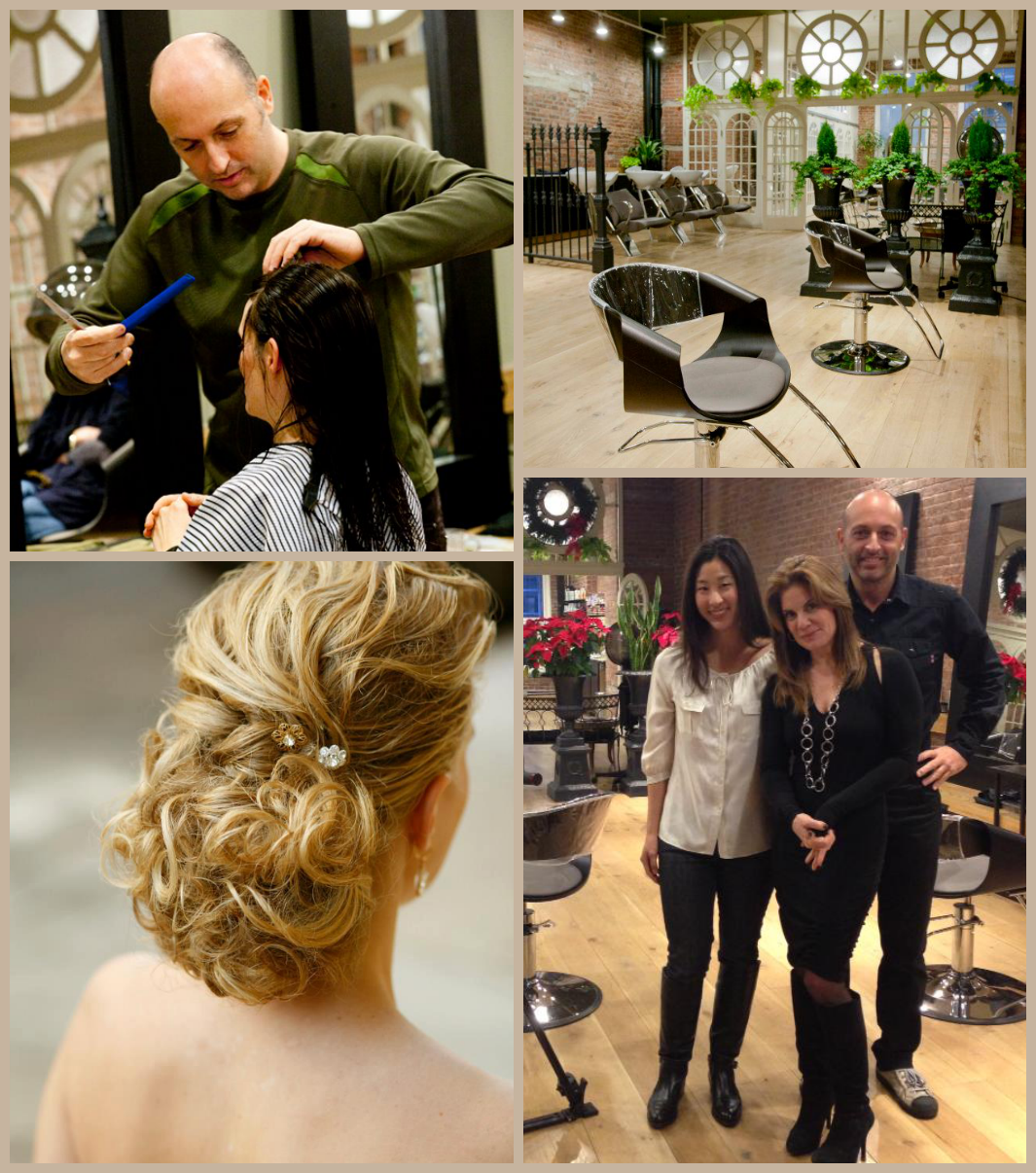
Joe Murray is a leading name in the all-natural haircare movement and the owner of Hale Organic Salon—a revolutionary salon that prides itself in using safer, natural products and maintains a “clean air” environment. Hale Organic Salon has been featured prominently in major magazines, including New York Magazine and InStyle.

A personal friend of Nine Naturals founder Grace (the two were recently featured together in a TV special about green haircare), Joe sat down with Grace for an in-depth discussion about haircare, coloring and more during pregnancy at his salon.

How long have you been a hairstylist and what led you down the path of focusing on natural and organic products?

I’ve been a hairstylist for 30 years. I have always had sensitivities to chemicals but they got worse as I got older. My ‘aha’ moment was over ten years ago when I was doing hair and makeup for two bridal parties in the same day. It was a rainy day out and so we were indoors with all the windows and doors shut. After a whole day of work working with hairspray in a confined space, I came down with a severe allergic reaction - I had a fever and felt nauseous. The symptoms didn’t go away until I went home and was able to wash all the product off of me. That’s when I decided I needed to look for a cleaner, healthier work environment.

What sets apart Hale Organic Salon from other traditional hair salons?

We have a clean air salon, meaning that we don’t use any products with ammonia. If we have to use aerosol hairspray, we have a separate room to contain airborne irritants. We also seek out the cleanest, most natural and organic hair products possible to use on our clients.

What are the biggest concerns that pregnant women have when they come to see you?

Pregnant women are concerned about the health of their unborn baby, but they also want to look good. They feel conflicted between their vanity and their baby and feel guilty that they are being a bad mom. Women don’t believe they have options, but I believe they can still have great results with safer products that won’t put their health or their babies’ health at risk.

Should women dye their hair during pregnancy?

If the dye comes in contact with the skin or scalp, that is where the risk of absorption of chemicals comes from. For women who highlight their hair, they should be able to continue to do so since the dye doesn’t touch their scalp. They might still be concerned with the air environment of the salon though where they can breathe in toxic fumes, which is why they should look for a clean air salon like Hale.

For women who want to do single process and dye all their hair, we make sure to get the color as close to the scalp as possible, without touching the scalp. This is a lot of work for a hairstylist but we are happy to do it to make sure our clients feel safe.

What is the biggest challenge for you in running a green salon?

Finding employees who share the same values and ideals.

What is your favorite Nine Naturals product?

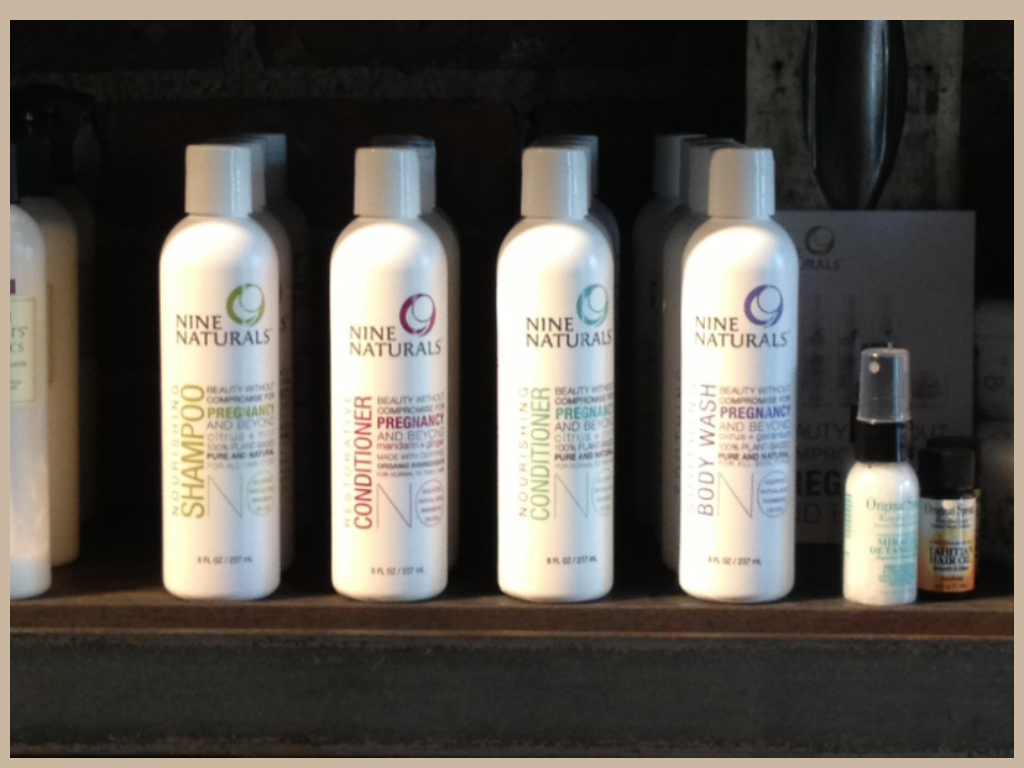
The Nine Naturals Restorative Mandarin + Ginger Conditioner!

Nine Naturals products are currently for sale at Hale Organic Salon.

neutral display

The Glamorous Side of Science: Featuring our founder, Grace, and hairstylist, Joe Murray

Such an honor for Nine Naturals and our founder, Grace, to be featured with our favorite green hairstylist, Joe Murray of Hale - Organic Salon on CUNY TV about green haircare! Check out the segment!