Archive for September, 2013

Things We’ve Read – Week of September 23rd

Screen Shot 2013-09-29 at 7.32.26 PM


How a Pregnant Woman’s Choice Could Shape a Child’s Health (NPR): Epigenetics, the study of what turns genes on and off in a cell, explain why chemical toxins, tobacco, alcohol and stress can cause fetal harm.

Safer Products: Talk is Cheap, Resistance Futile (SaferChemicals.org): Major industry conventions and conferences are confronting the topic of toxins and how to eliminate them; Walmart becomes a leader in the effort.

New Study Suggests “Universal Fetal Exposure” to BPA (Environmental Health News): A California study testing the presence of BPA in cord blood finds evidence of BPA in 100% of samples in the test.

Environmental Chemicals Harm Reproductive Health (ACOG): ACOG & ASRM officially warn of the dangerous impact of environmental toxins during pregnancy and advise healthcare providers to educate their patients on why and how to avoid these toxins.

Pregnant Weight Lifter Stirs Debate (NYTimes): Images of an 8-month pregnant Crossfit trainer piques strong opinions about strenuous fitness during pregnancy.

Environmental Chemicals: ACOG and ASRM urge for greater protections for pregnant women from environmental toxins

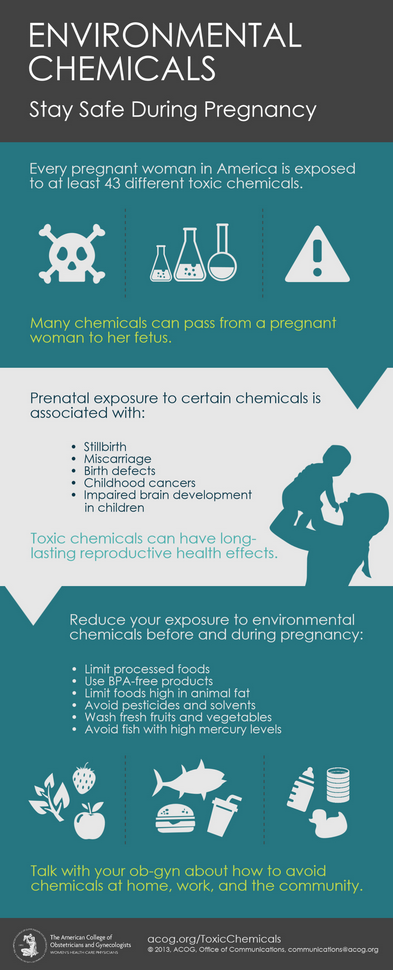
The American Congress of Obstetricians and Gynecologists (ACOG) and the American Society for Reproductive Medicine (ASRM) in a joint Committee Opinion are urging for greater advocacy in protecting pregnant women from environmental toxins. In a September 23 press release, Jeanne A. Conry, MD, PhD, president of ACOG says, “Every pregnant woman in America is exposed to many different chemicals in the environment. Prenatal exposure to certain chemicals is linked to miscarriages, stillbirths, and birth defects.”

ACOG and ASRM acknowledge that pregnant women can absorb and ingest chemicals from the environment and that these chemicals can cross the placenta and affect the health and development of the fetus. As written in the joint Committee Opinion, “Robust scientific evidence has emerged over the past 15 years, demonstrating that preconception and prenatal exposure to toxic environmental agents can have a profound and lasting effect on reproductive health across the life course (1–3). Exposure to toxic environmental agents also is implicated in increases in adverse reproductive health outcomes that emerged since World War II; these changes have occurred at a rapid rate that cannot be explained by changes in genetics alone, which occur at a slower pace.”

Some of the reproductive and health problems associated with exposure to toxic environmental agents ACOG and ASRM list are:

  • Miscarriage and stillbirth
  • Impaired fetal growth and low birth weight
  • Preterm birth
  • Childhood cancers
  • Birth defects
  • Cognitive/intellectual impairment
  • Thyroid problems

Dr. Cory continues, “The scary fact is that we don’t have safety data on most of these chemicals even though they are everywhere—in the air, water, soil, our food supply, and everyday products,” Dr. Conry said. “Bisphenol A (BPA), a hormone disruptor, is a common toxic chemical contained in our food, packaging, and many consumer products.”

The Nine Naturals team is encouraged to see continued support for chemical reform in the face of mounting evidence that a number of commonplace chemicals are harmful for both women and their children.

Want to learn more? Read about environmental toxins and the talk our founder, Grace had with Dateline NBC here.
Want to reduce your toxic burden? Read our nine tips here.

Screen shot 2013-09-29 at 6.47.56 PM

What are Sulfates and Our Top Tips to Avoid Them

Screen Shot 2013-09-26 at 5.26.55 PM

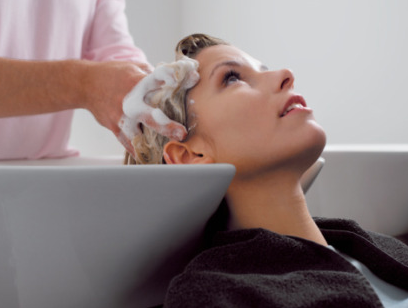
Sulfate-free: it’s lately all the rage in popular haircare and cosmetics products. But let’s investigate the trend further. Is this just an advertising trend, or is there truly importance in avoiding these substances? Deeper research into the matter would support the latter conclusion, with a resounding “yes.”

What are sulfates?

The issue with sulfates begins with their purpose in the many products in which they appear. In a word, sulfates are “surfactants.”

The word “surfactant” is actually an abbreviation standing for “surface active agents.” These are chemicals that help to increase the “wetness” of water by reducing its surface tension. Less tension allows water to better surround dirt and muck in order to remove them from a surface — your hair, your kitchen counter, et cetera.

The “sulfate-free” conversation centers around two widely used surfactants, sodium lauryl sulfate (SLS) and sodium laureth sulfate (SLES). The difference between the two of them is negligible, but you can think of SLES as a somewhat less harsh version of SLS. Both surfactants, however, have drawn criticism in the beauty and wellness communities for their impact on hair and health.

Their cheap cost and effectiveness as surfactants have made SLS and SLES common ingredients for manufacturers of virtually any product that foams or lathers: shampoos, conditioners, dish soaps, toothpastes, moisturizers and more. Being great surfactants, SLS and SLES are brilliant at removing oils and dirt. But they also can create serious dryness and irritation, particularly on the skin and scalp. These chemicals may also rob hair of its color and sheen.

What is the problem with sulfates?

The main danger sulfates hold is the presence of toxic by-products that can be created from the sulfate production process. From their synthesis, these by-products can then go on to contaminate your beauty products.

1.4-dioxane and nitrosamines are the two primary culprits. Not only are they considered carcinogenic by the EPA and National Toxicology Program, but they also have been shown to disrupt hormonal balance, incite reproductive and developmental concerns, and seriously pollute the environment. These compounds are by-products of both SLS and SLES production processes and are therefore commonly found alongside them. This stands as the fundamental reason you should avoid sulfates at all costs.

Another major danger of SLS and SLES is their ability to maximize absorption of properties into the body through the skin. These surfactants make it easier for whatever is in a given product to seep through your pores. So it’s not just that SLS and SLES are troublesome. They make it easier for other chemicals or toxic substances in a product to wreak havoc as well.

“Substances such as SLS are known to be absorbed into body tissues [themselves],” claims Dr. Mitchell A. Kline in the popular book, “No More Dirty Looks.” Pregnant women and mothers can put the dots together here: sulfates can affect your children, both in and out of the womb.

SLS and SLES also comprise your skin’s immune response. By penetrating the skin, these surfactants interfere with skin quality and reduce how well the organ can deal with germs and microbes.

Regulation Issues

Unfortunately the FDA is not on consumers’ sides here. Though the organization strongly recommends that manufacturers abandon their use of SLS and SLES, no enforced ban has been placed. Not even a maximum-use level or law has been established for cosmetics products.

The burden to remain vigilant about sulfates and toxic chemicals in our products remains squarely on us. We have to exercise scrutiny when it comes to sidestepping shampoos, conditioners, and other products that may include sulfates, particularly because the substances are so widespread.

Tips on Avoiding Sulfates

  • Play the name game. SLS and SLES are only two of the terms by which product labels can mention these ingredients. Other names for them can include anything with phrases like “sulfate,” “sulfuric acid,” “sodium salt sulfuric acid,” “PEG,” “oleth,” “cetareth,” and “xynol.”
  • Check the EWG Skin Deep Cosmetics Database. The Environmental Working Group stands at the forefront of consumer awareness, especially in the beauty field. Their database lets you check any and all cosmetics for harmful properties.
  • And most obviously: Read your product labels, and choose sulfate-free whenever possible.

Going sulfate-free should be a no-brainer option for health-conscious moms and moms to be, particularly in their shampoos and conditioners. Sulfate-free haircare proves gentler on your skin, will not cause hair color to fade, and will retain your hair’s natural oils, helping to avoid dryness.

A Sulfate-free Beauty Solution

Sulfate-free hair products are not all perfect. Remember that SLS and SLES did have a good side: they are excellent at stripping dirt from hair, leaving it cleaner. Many sulfate-free shampoos don’t clean the hair as thoroughly as their sulfate-laden alternatives. This can potentially be problematic for those of us with oily hair; it could mean using more products to get the job done, which could add up fairly quickly.

Nine Naturals thought long and hard about this exact issue. Our Citrus+Mint Nourishing Shampoo and Citrus + Geranium Soothing Body Wash strike the optimal balance in chemical-free, sulfate-free haircare and bodycare. They are 100% plant-based with winning all-natural alternatives, ensuring you beautifully clean hair and skin with every wash.

Check out our transparent and in-depth ingredients glossary, where you can learn more about the 100% natural compounds we use instead of sulfates. We call our alternative the environmentally conscious and completely natural “surfactant blend.”

The blend is comprised of sodium cocoyl isethionate, sodium methyl cocoyl taurate, sodium lauroamphoacetate, and sorbitan sesquicaprylate. All of these ingredients are naturally derived from coconut. They promote lathering and foaming in our shampoo and conditioner, without the harmful effect of sulfates and other artificial chemicals. You can find even more information about these ingredients in our glossary.

How will you avoid sulfates in your cosmetics products, while maintaining great-looking results at the same time?


Things We’ve Read – Week of September 16th

o-VOGUE-570

Four Ways to Tell if Natural Childbirth is Right for You (The Stir): What factors you should consider, such as pain tolerance and your support system in assessing whether natural childbirth is right for you.

Drinking Milk in Pregnancy May Lead to Taller Children (NYTimes): A study in Denmark about the impact of milk during pregnancy on the height of children. The study suggests, in fact, yes, the women who drank milk during pregnancy had slightly taller children than those who did not.

Can You Really Balance it All? (Mom.me): Nina Garcia shares her advice on balancing it all with her top tips for staying on top of a high pressure career and motherhood.

The Simple Test that Saved my Baby (NYTimes): How a simple, inexpensive test for congenital heart problems can save a newborns life and the debate over whether it should be required by law to be administered to all newborns.

Vogue’ Breastfeeding Shoot is Pretty Fearless (HuffPo): HuffPo’s Style addresses this controversial photo shoot! What do you think?


How to Properly Secure Your Baby in a Car Seat: The 5 Videos Every Parent Should Watch To Keep Their Baby Safe in the Car

Screen_Shot_2013_09_22_at_7.57.46_PM

If you’ve ever sat down to try and read a car seat manual, you’ll easily understand the value of videos that will not only demonstrate how best to use a car seat but also synthesize the most important information that parents should know.

The Car Seat Lady, Alisa Baer, shared with us five videos to answer the most asked questions by expecting and new parents.

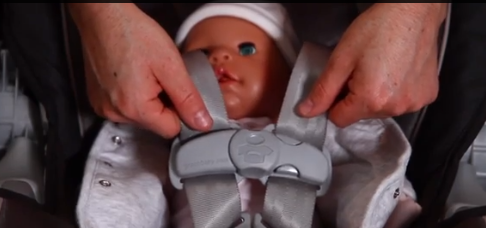
How to Properly Buckle Your Baby into the Car Seat
This video provides instructions on how to secure the baby properly into the car seat, including making sure that the baby isn’t slumping and tricks to properly tighten the car seat straps. Have you ever wondered how to know if the straps are tight enough? Or what the correct position is for the chest clip? (If you don’t know what a chest clip is, you definitely should watch this video!)

Tricks to Calm the Baby Once They’re Buckled In and Ensuring that Your Baby’s Head is Properly Positioned
A lot of babies will fuss when you put them in the car seat. Did you know you can swaddle the baby OVER the straps? Great tips from the Car Seat Lady to help soothe your baby in the car seat, without interfering with the safety functions of the car seat.

How to Use Car Seat Padding and Inserts
Your car seat may come with padding and inserts. Do you need to use these to ensure the baby is safe? Could these padding and inserts actually impede the proper positioning of the baby in the car seat? This video explains when to use and NOT to use car seat accessories.

Car Seat Accessories: What’s OK and What’s Not
Think twice when you buy cute pillows, fleece bunting blankets or other accessories that are sold separately from the car seat. Did you know that these accessories are not crash-tested for safety?

Want to learn the most important things to look for in a car seat and The Car Seat Lady’s top 3 picks for infant car seats? See her feature on our blog, How to Choose A Car Seat.

Alisa is a NYC pediatrician and nationally certified child passenger safety instructor best known as The Car Seat Lady. With 15 years experience as The Car Seat Lady, she has helped families install more than 10,000 car seats. Follow her on Facebook and on her blog!

How to Choose a Car Seat and Top Car Seat Picks - Expert Advice by The Car Seat Lady, Alisa Baer

Before we start, it is critical to mention that there is no such thing as the “safest seat”. The safest seat is the one that installs securely in your vehicle, fits your child properly, and you use properly on every trip.

When recommending a rear-facing only seat, The Car Seat Lady takes into consideration 4 key design features:

1. Will the base install securely in most vehicles… and in particular in the center of most vehicles?

  • Studies show the center is 43% safer than the side… so with one child it is best to put the baby in the center (assuming your car seat can be securely installed in the center). Not only is the center safer for baby, but also it tends to give the best layout for the back seat as with baby in center you can comfortably fit 2 adults in back… whereas if baby goes on the side few adults can squeeze into the already narrow center with a baby seat on one side of them. The other advantage is that having the car seat in the center typically allows the front seats to both come back as far as they need to - whereas if the car seat goes on the side, the person sitting in front of the car seat has to move their seat up more than they might prefer (as the front seat should not touch the child’s car seat).
  • Most vehicles do not have the lower anchors of the LATCH system in the center seat; therefore, you will need to use the vehicle’s seat belt to secure the car seat in the center. While the seat belt and LATCH are equally safe means of securing the car seat, the seat belt is often more difficult. While you and I ride around with our seat belt loose while we drive, and just rely on the belt to lock when we slam on the brakes, this does not work for the child’s car seat as it will be very loose during regular driving, and even looser in a crash. Therefore, the seat belt must be locked and tight around the child’s car seat at all times. There are a few car seats on the market that have a locking device built right into the car seat to keep the vehicle’s seat belt locked and tight - which makes installation not only easier, but in many cases safer as you are more likely to get the secure installation you need.

2. Will the carrier install securely by itself (i.e. withOUT the base) in most vehicles?

  • If you go in a friend’s car, jump in a taxi, or rent a car on vacation you will be traveling without the base - and it will be important that you can get a secure installation with just the carrier. Most seats sold in the US route the vehicle’s seat belt around the carrier in one way - but a few seats use a different routing path, a routing path most commonly seen in Europe. While the traditional American-style path will yield a secure installation in about 1 in 5 vehicles, the European-style path will yield a secure installation in about 4.9 out of 5 vehicles. The European-style path involves wrapping the shoulder belt around the back of the carrier which adds stability and gives a more secure fit.
  • For more on using the carrier without the base and the European-style path, see this interactive image here.

3. Will it be easy to strap the baby into the seat every time (when you are sleep deprived, your child is screaming, and you are already 15 minutes late)?

  • The straps should loosen and tighten easily (as if you are making the straps properly snug you should have to loosen them to get the baby out, and then retighten them once you buckle baby back in)
  • The straps should not get uneven (this drives parents bonkers… and leads to kids not being strapped in properly). While all straps can twist, some are much less prone to twisting than others; twisted straps are bad for baby… and parent’s temper.

4. Will it fit whatever size baby you take home from the hospital?

  • While many rear-facing only seats still start at 5 pounds, we feel it is important that parents choose one that starts at 4 pounds since about 10% of all babies leave the hospital weighing less than 5 pounds. Having a new baby is stressful… worrying that your car seat is too big for your baby is one stress you don’t need to add to the list.


The Car Seat Lady’s Top Picks for Rear-facing-only seats (also called infant seats):

Note: ALL 3 seats below:

  • have a European-style path for the carrier (when it is used without the base)
  • can be used for babies as small as 4 pounds
  • have harness straps that adjust easily

1. Cybex Aton2

What we like most:

  • Smallest footprint of any rear-facing only seat, taking up 4 inches less room into the front seat than the Graco listed below (and 3 inches less room than the Nuna Pipa) and most other car seats, making it a great choice for small cars or families needing to put the seat behind a taller driver (will fit behind a tall driver in a Mini Cooper!)
  • Easy base installation with seat belt OR lower LATCH anchors
  • Load leg on the base (on Aton2)
  • Base has a narrow footprint so will fit in center seats that are exceptionally narrow

2. Graco Snug Ride 35 Classic Connect

What we like most:

  • Lasts a few months longer than the Cybex (it is bigger and a little heavier) - so for those who will be doing lots of travel by plane/taxi, this wins for longevity
  • Great option for parents on a budget
  • Easy base installation with the seat belt
  • Base has a narrow footprint so will fit in center seats that are exceptionally narrow

3. Nuna Pipa

What we like most:

  • Very easy base installation when using the lower LATCH anchors - since they are rigidly connected to the Nuna and you literally plug the car seat into the vehicle… no straps to pull tight!
  • Super lightweight - at just 7.7 pounds - but will last a few months longer than the Cybex as it is approximately 1.5 inches taller in the seated height (and most babies are too tall before too heavy in these types of seats)
  • Easy base installation with the lower LATCH anchors
  • Load leg on the base
  • What we have reservations about:
  • Does not yield a secure installation with the seat belt in quite a few vehicles… so we would recommend this seat only for families that will be installing the base in a position that has the lower LATCH anchors (typically on the side seat)

Stroller compatibility:

Please see this chart for the Cybex & Graco. Currently, the Nuna Pipa will fit onto the Nuna Pepp, Bugaboo Cameleon3, and UPPAbaby Vista (using the appropriate adapter, sold separately).

Alisa is a NYC pediatrician and nationally certified child passenger safety instructor best known as The Car Seat Lady. With 15 years experience as The Car Seat Lady, she has helped families install more than 10,000 car seats. Follow her on Facebook and on her blog!

Nine Naturals and Our Founder, Grace, Featured in a Fashion Shoot with Tuckernuck!

A few weeks ago, Grace was thrilled to get a call from a loyal Nine Naturals customer, Jocelyn Gailliot, for a photo shoot for Jocelyn’s online e-commerce company Tuckernuck. They planned part of the photo shoot around a special trunk show Jocelyn hosted for Nine Naturals at her Tribeca penthouse apartment. Check out more of the fun fashion pics on the Tuckernuck blog. We had so much fun connecting with one of our expecting mom customers and dressing Grace in the fabulous clothing and accessories carried by Tuckernuck!

Things We’ve Read - Week of September 9th

MeandAuggie2jpg-2589288_p9

10 Questions Everyone Needs to Stop Asking Pregnant Women: Jessica Ciencin Henriquez, a guest blogger on HuffPo implores readers to heed her advice and mind the boundaries of pregnant women by canning it on certain questions, like “Was it planned?” Good Grief.

The Unnatural Mom: We love this honest perspective and think it’s a true tribute to every mom’s freedom to do things her way. Krista (“kinfante”) discusses her decisions about what aspects of her pregnancy decisions she wanted to be “natural” and why the “unnatural” paths might inappropriately judged.

Hair Tips: Organic vs. Natural: From the hair community Bangstyle, Audrey Adrine discusses the important misunderstandings about organic haircare.

An Herbal Approach to the Cold & Flu Season: Mothering’s Amy Paolinelli and Melanie Mayo actually speak in the context of helping children through their colds and flus, but we think this is a great article for pregnant women who want to keep it all-natural when they’re feeling under the whether - think peppermint, elder, garlic and more …

Braids are Back!: Refinery29 tells us that we can channel Little House on the Prairie again when we’re doing our hair in the morning. Per observations at NYC’s recent Fashion Week and R29′s spot-on expertise in style, braids are popular this fall - tight, loose, high, hanging … And this link has 10 great examples.


Only the Nose Knows: Why does your sense of smell change during pregnancy?

Welcome to your pregnancy — an unforgettable life experience that boasts such gifts as a radiant glow, a luxurious mane of hair, and… the strongest, most off-putting smells your nose has likely ever sniffed!

Indeed, increased olfactory powers seem to be a rite of passage for pregnant women. Scents that you once considered favorites may seriously offend you now. And what you previously thought smelled horrible can now seem virtually unbearable. Why exactly this takes place remains a major quandary, both inside and out of the biology lab.

Issues of heightened sense in pregnant women continue to challenge the scientific community. There is no conclusive, scientific explanation (as of yet) for why sense of smell changes dramatically during pregnancy. Medical professionals remain unaware how precisely estrogen prompts a heightening of the sense.

Yet in one 2004 longitudinal study, European researchers hypothesized that a boost in smelling ability presented a biological advantage for pregnant women: the odor sensitivity could potentially discourage women from foods with chemicals or substances that could do harm to baby. However, further study later proved this hypothesis false.

What do we know, then, about why smell affects pregnant women in particular? An enhanced sense of smell can often signal a new pregnancy. It is one of the first signs that change in happening within a woman’s body, caused by a rapid boost in estrogen levels. And although pregnant women may notice stronger smell throughout their pregnancies, those in the first trimester seem most impacted by it. (Extreme sensitivity of smell levels off by the second trimester for most women.)

You may want to steer clear of artificial fragrances when pregnant, especially during those first three months. Non-natural scents can provoke sensitivity and irritation on pregnant women’s more tender skin. Depending on your experiences with child, artificial scent could provoke nausea and discomfort much more than natural or organic alternatives.

Exercise scrutiny in your pregnancy wellness products. Even beautifully packaged shampoos and creams may use artificial scents that not only could cause you to be nauseous but also may contain harmful chemicals such as phthalates.

At Nine Naturals, we’ve artfully created our proprietary fragrances around a pregnant woman’s sensitive nose. Designed by our founder, Grace and an expert perfumer, each of our products features 100% natural fragrances that are both gentle on your nose and beneficial for your sense of well-being.

Turn to our Restorative Conditioner to spoil your hair with ginger root extract, long admired for its capacity to soothe morning sickness. Lemon and lime’s clean, fresh scents can help to neutralize your feelings of nausea, reduce inflammation, and brighten your outlook. Sniff them out in our Nourishing Shampoo and Conditioner.

Peppermint also enhances our haircare line. We include the minty oil for its properties that combat morning sickness and exhaustion.

Because geranium oil is known to help bring equilibrium to your hormones and state of being, we naturally included it in our Soothing Body Wash, as well as in our Regenerative Belly Butter. Last but not least: our Belly Butter also features a natural vanilla extract, a scent which can calm you as it brings about warm thoughts of home and loved ones.

Which of Nine Naturals’ wide array of all-natural fragrances is your favorite?

Things We’ve Read - Week of September 2nd

Home Births on the Rise for New York Families: Gabrielle Birkner from the NY Times addresses the rise of home births by 50% between 2004-2011. The increase in NY has been more dramatic, up 71% in the same time period. Overall home births still only comprise 1% of total deliveries nationwide, but some experts believe this trend will continue to rise as women look for alternatives to “unnecessary hospital interventions.”

Blogpost by Shane Raiser: A touching note from a papa-to-be to his future child

Infertility Less Likely in Women with Children: Motherlode (NYTimes) columnist Hope Reeves writes about the fascinating and surprisingly complex data and rationale behind what most of the public deems simply “intuitive.” We highly recommend this read.

Shampoos Still Contain Carcinogens: The San Francisco Chronicle’s Stephanie M. Lee reports on an Oakland watch dog group, Center for Environmental Health, which is suing four major corporations for allegedly manufacturing or selling shampoo and other personal care products that contain carcinogens.