Posts Tagged ‘healthy pregnancy’

Things We’ve Read – Week of December 2nd

Pregnancy

Prenatal Depression: What I Didn’t Expect When I Was Expecting (NYTimes): An enlightening recounting of sadness during pregnancy. Sometimes, placenta doesn’t produce enough progesterone; this offset causes symptoms of depression.

Fertility Doctors Aim To Lower Rate Of Twin Births (NPR): Big multiple births (like Octomom) have decreased but the twin rate is stagnant. Doctors want to lower the rate of twin births and increase the rate of healthy, live births.

The Toxins That Affected Your Great-Grandparents Could Be In Your Genes (Smithsonian): An interesting study of the staying power of toxins finds evidence of hardy and insidious chemicals 4 generations after exposure.

Breathe easy by avoiding chemicals in home items (Philly.com): Is your house off-gassing? Probably. That’s what happens when chemical substances evaporate and get into the indoor air.Screen Shot 2013-12-08 at 2.51.18 PM

Dandruff Shampoo could Mess up Waterways (Scientific American): A study has detected fungicides from anti-dandruff shampoos in the water. They retard the growth of larger plants which offsets the ecosystem and deprives marine animals of food.

Save Your Skin! 8 Ways to Beat Dry Skin this Winter

Pregnant-woman-1024x680

Save your skin! Fight the itch! Dry, itchy skin is a common discomfort among pregnant women.

There are several things that affect moisture retention and cause the itchiness that most pregnant women experience.

  • stretching of skin caused by weight gain and swelling
  • hormonal changes due to, well, just being pregnant
  • dehydration due to your body demanding more water to account for the increased blood volume

Most women experience dry, itchy skin around their bellies, but it can also feel that way in other areas where your skin tends to stretch during pregnancy - like around the hips, thighs and breasts. And now comes winter. Dry skin can be especially bothersome during the winter months. Indoor air dries up from heaters. And the cold outdoor winds challenge your skin. So what’s a girl to do?

Here are our top tips for soothing your dry itchy skin naturally:

1. Moisturize after the shower. The best time to apply moisturizer to your skin is right after a bath or shower to trap water into your skin.

2. Moisturize twice a day! We recommend using moisturizer twice daily – in the morning and in the evening.

3. Use an effective & safe moisturizing cream. When you’re treating your dry skin, you want to make sure that you’re using high performance products that are also healthy, natural and safe. Check product labels for organic and natural butters and plant oils such as cupuaçu butter, mango butter and broccoli seed oil that have powerful moisture retention and healing properties that will keep your skin soft and nourished.

* Nine Naturals’ Unscented Moisturizing Body Cream brings together these three amazing ingredients as well as others to create a deeply moisturizing cream perfect for dry skin before, during and after pregnancy.

4. Use a humidifier. Is the air in your home feeling dry? A sure sign that the air is getting drier during the winter months is the static cling you experience in your clothes and your hair! Try replenishing your indoor air with moisture using a humidifier. It can be especially helpful at nighttime in the bedroom. Also consider having a small humidifier in every room, including your office, to help maintain balanced skin moisture.

5. Avoid harsh soaps. Many soaps, especially soaps containing artificial, chemical based ingredients like sulfates, can strip your skin and hair of its natural oils. Choose gentle body wash and soap during pregnancy using naturally derived, gentle surfactants and a balance of oils and other plant extracts to cleanse and nourish the skin. Nine Naturals Soothing Body Wash uses gentle coconut-derived soaps and omega-rich avocado and olive oils to replenish and heal the skin.

6. Drink Water! Care and healing for the skin should focus on the things that go in your body as well as on your body. in addition to supporting your skin’s health, drinking water will maintain hydration and help promote your energy levels and positive mood.

7. Care for your growing belly. It’s a beautiful thing to watch your belly grow, but your skin’s doing some hard work! Take time to soothe your belly and other areas where you feel your skin is stretching. Use a belly butter that can moisturize and nourish the skin. Nine Naturals’ 100% plant-based Regenerative Belly Butter works deep within the connective tissue of your skin to moisturize and to minimize the risk of stretch marks.

8. Go gloves. Go mittens. Thinner than skin elsewhere on your body, your hands’ skin does require consistent wintertime protection. This skin also has fewer oil glands, meaning that it’s especially prone to dryness, itching, and cracking. Don your fashionable, but warm, gloves or mittens to ward off dry skin.

8. Don’t forget about your hair. Dry air and hair make for a lot of static and a bad hairdo. Conditioner is your weapon during the winter and you should use it a couple ways. In the shower, conditioner will help moisturize your hair - scalp to tip. After the shower, dab a small bit of conditioner to your tips to help them resist dryness through the day and maintain your hairstyle through the day without the static. Nine Naturals’ Mandarin + Ginger Restorative Conditioner was designed especially with dry hair in mind with nourishing ingredients like Moroccan argan oil, shea butter and macadamia seed oil.


Things We’ve Read – Week of November 3rd

images

New test may predict preeclampsia odds in pregnant women (CBS): A new test predicts preeclampsia risks by differentiating women with preeclampsia from those with high blood pressure alone

The Passion of Parenting (NYTimes): Wonderful op-ed about enjoying parenting.

Baby’s Gaze May Signal Autism, a Study Finds (NYTimes): When and how long a baby looks at other people’s eyes offers the earliest behavioral sign to date of whether a child is likely to develop autism

5 Myths About Labor and Delivery (Huffington Post): We love this breakdown on labor and delivery for first time moms-to-be!

Pregnant? Your Doctor Should Have Told You This (The Daily Green): We’ve been posting about the ACOG and ASRM recent statements that doctors and nurses need to warn moms-to be about the risks of chemical exposure. Here’s another publication’s take on it …

Things We’ve Read – Week of October 27th

2013-10-30-bealsleadscharge

Jennifer Beals Leads Stroller Brigade for Safer Chemicals at U.S. Capitol (Huffington Post): The “Stroller Brigade’s” parent activists hit Capitol Hill to ask Congress for leadership on meaningful laws on toxic chemicals.

Dirty Dozen List of Endocrine Disruptors (Environmental Working Group): The Environmental Working Group just released a list of the top 12 hormone altering chemicals and how to avoid them.

The Best Board Books (Baby Center): Great reading list for your newborn!

Babies Can Learn Music in the Womb (NYTimes): Finnish researchers test expose babies to music in the womb and they recognize it at birth and at 4 months old.

She’s Expecting, but When? (WSJ): Clearblue Advanced Pregnancy Test is 93% accurate in estimating how long since ovulation.


All about Phthalates! Why and How to go Pthalate-Free.

Fotos-de-perfumes-color-naranja

Nine Naturals has mastered a few important things, not the least of which is pronouncing the word “phthalates.” We’ve taken great care to keep our products and packaging completely void of phthalates. We also stay current on science about phthalates so that we can keep our customers informed about how to avoid phthalates in their daily lives.

What are Phthalates?

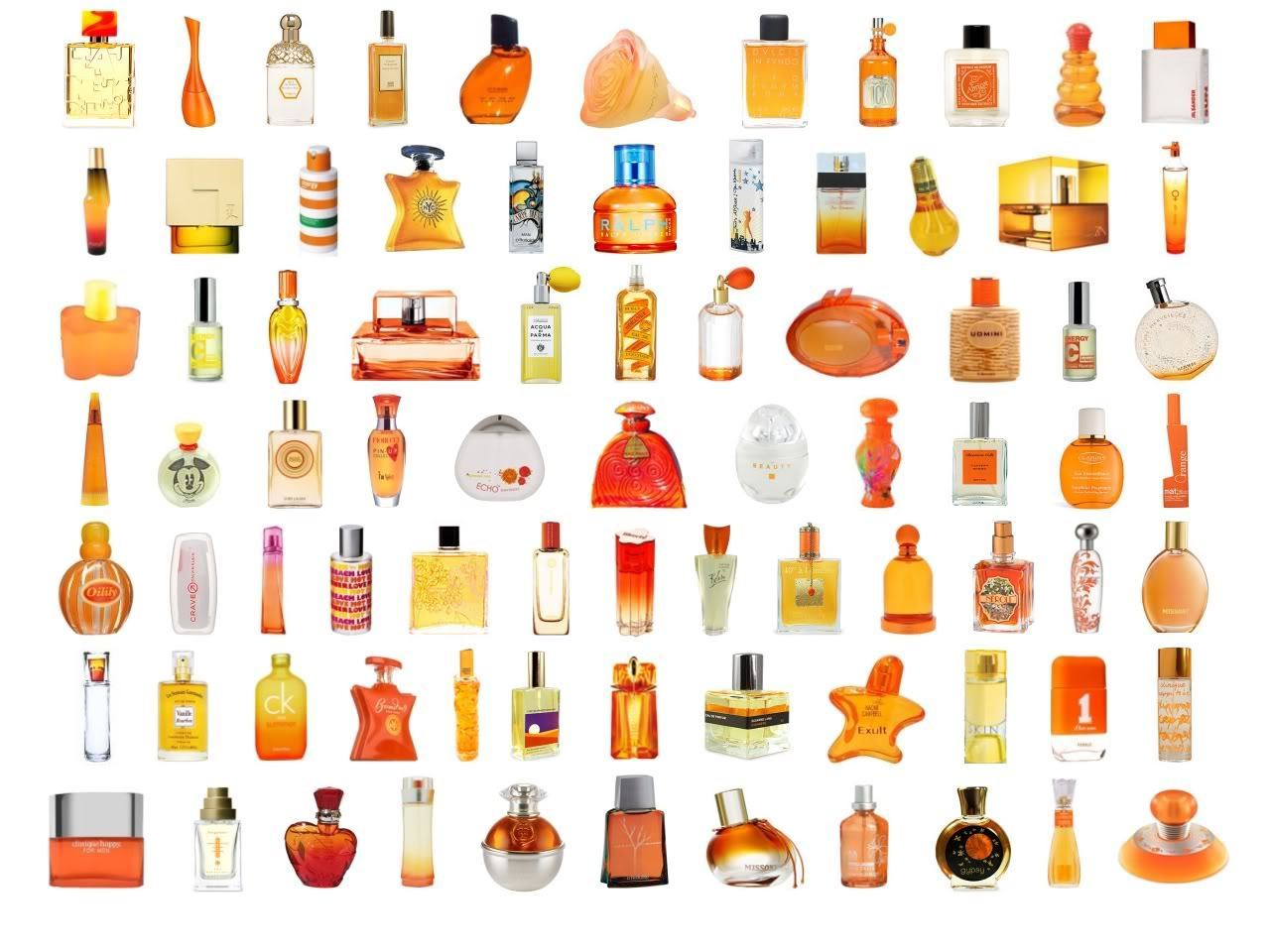
Phthalates are a group of chemical compounds commonly found in household products, from children’s toys to plastic water bottles and from cleaning supplies to shampoo. It’s been estimated that approximately 70% of personal care products include these chemical compounds.

Phthalates are used to make plastics more flexible, transparent, durable and pliable. They also improve how well paint can be applied (as in your nail polish) and help scents linger in the air longer. Phthalates can also be found in medical tubing, pill encasements and IV bags.

Because of their widespread use by manufacturers in a number of industries, phthalates can prove very difficult to avoid.

Here is a quick list of products that commonly contain phthalates:

  • Shampoos and conditioners
  • Hair coloring products
  • Eyeliner / eyeshadow
  • Blush
  • Perfume
  • Air freshener
  • Nail polish
  • Hairspray
  • Deodorant
  • Feminine products
  • Plastic food packaging
  • Plastic wrap
  • Plastic water bottles

Why Phthalates Are Dangerous.

One of the notable behaviors of phthalate compounds is that their decomposition accelerates as plastics age – this is one of the reasons that phthalates are so dangerous and nearly impossible to completely avoid.

Phthalates pose a very high risk to your health and to your baby’s well being. Potentially carcinogenic, phthalates can prove toxic to developing fetuses and can produce birth defects in baby boys.

Phthalates also interrupt your body’s natural hormonal processes – “hormone disruptors.” Phthalates can wreak havoc on your fertility levels, jeopardize your endocrine system, and can also incite endometriosis and PCOS, a serious ovarian disorder.

The good news about phthalates is that they do not accumulate in the body, unlike other harmful chemical compounds. Speaking unambiguously to the ubiquity of phthalates, a 2001 CDC study revealed that every single person in the study had phthalates in his or her body. Because women so often use products containing phthalates (like cosmetics), sustained exposure to these chemicals is high for females.

Women in their childbearing years and children hold the greatest risk of phthalates producing serious consequences to their health and their baby’s health. Research from the Columbia University Mailman School of Health correlated prenatal exposure to phthalates to several disorders in preschool-aged children: reduced mental development, motor skill deficiency and behavioral challenges. Women who unwittingly use products containing phthalates can jeopardize their children’s future.

How to Minimize Exposure to Phthalates

Identifying phthalates in your product’s ingredient list seems challenging and tedious. But here are a few tips to help you:

  1. Avoid all products from companies that list “fragrance” as an ingredient. In our blogpost about “How to Read a Label,” we explained that, due to patent guidelines, fragrances are legally protected from having to disclose contents. Phthalates are often used in creating fragrances, but are not disclosed as an ingredient because they are a part of the “fragrance” of a product. As an alternative, use products that, like Nine Naturals, only use natural, plant-derived fragrances.
  2. Seek out transparency on product labels. Purchase from companies who disclose all the ingredients contained in their products. Consumers shouldn’t have to guess what goes into the products they use on their body. For instance, Nine Naturals always discloses the exact fragrance of its products and never hides ingredients behind a “fragrance” label.
  3. Avoid products containing one of these acronyms: DBP, DEHP, DMP, or DEP. Also note that “dibutyl / diethyl ester,” or any variation thereof, signals phthalates. So does “1,2-benzenedicarboxylate.”
  4. Use glass containers to store food. Phase out that plastic Tupperware! And promptly throw away Tupperware that is already showing scratches and other signs of damage.
  5. Never use plastic containers or plastic coverings, like plastic wrap, when heating food. Heat can accelerate the breakdown of phthalates in plastic. Transfer your food to a glass bowl or plate and use a paper towel or a plate as a cover.

A Natural Solution

Keep in mind – natural hair maintenance offers more than phthalate-free, chemical-free safety; it also fosters sensational hair. Pregnant women who use plant-based, natural products can capitalize on their fuller locks without worry.

Mother Nature helps achieve this with stunning “ingredients” like cupuaçu butter, which nourishes hair with its Omega-6 and -9 fatty acids. Meadowfoam seed oil naturally protects hair against UV radiation. And impressive shine is just one asset of the oil from the sweet almond. Nine Naturals’ phthalate-free, all-organic shampoo and conditioner incorporate these and other healthy-body, healthy-hair ingredients.