Tag Archives: breastfeeding

  • 5 Ingredients to Use During Pregnancy

    5 Ingredients to Use During Pregnancy 5 Natural Ingredients to Use During Pregnancy

    While pregnant or breastfeeding, it becomes especially important to be mindful of what goes in and on your body. Studies have shown that common chemicals in everyday personal care products, such as shampoo, makeup and moisturizers, are associated with developmental, reproductive and behavioral disorders, hormone disruption and cancer. Nine Naturals believes in creating products that are not only high-performing, but also completely safe and natural. Some of our favorite natural ingredients include:

    VITAMIN E: Isolated from vegetable oils, Vitamin E is an important vitamin required for the proper function of many organs and an antioxidant, meaning it helps to slow down processes that damage cells. This is important for pregnant women because it can help prevent complications in late pregnancy due to high blood pressure, PMS, painful periods, hot flashes associated with breast cancer, and breast cysts. The moisturizing properties of Vitamin E for skin is well known but it also does wonders for your hair! When ingested or applied topically on hair, Vitamin E is effective for hair growth by improving blood circulation in the scalp, prevent premature greying by slowing down the overall aging process, giving hair a lustrous shine by promoting natural strength and shine, and preventing split ends by countering damage done by heat. Find Vitamin E used in all Nine Naturals products.

    ARGAN OIL: Not all women get pregnancy glow. Some often experience dry skin, especially around the belly, breasts, and hips as the skin swells and grows. High in vitamin E, antioxidants, and linolenic acid, argan oil is a super-effective moisturizer that has been shown to prevent and treat stretch marks by maintaining elasticity and preventing moisture-loss. On top of improving your body’s immunity to diseases such as breast and colorectal cancer, argan oil is good for treating under eye circles, burns, wrinkles, brittle nails, arthritis, and rheumatism pain. Argan oil in Nine Naturals Mandarin + Ginger Restorative Conditioner gives lackluster postpartum hair a boost by adding shine and hydrating roots.

    BROCCOLI SEED OIL: Broccoli seed oil is high in vitamin C, Vitamin B, and erucic acid, which is a light oil composed of many different omega-9 and omega-6 oils. This means that it helps eliminate free radicals that can contribute to cancer, prevent hair loss while promoting thicker healthier hair, and soothe redness and inflammation. Best part? Broccoli seed oil is a natural substitute for silicone--often found in cosmetic products, particularly in leave-on skincare and haircare products, such as Nine Naturals Vanilla + Geranium Regenerative Belly Butter. This natural emollient hydrates hair and skin without leaving a greasy film and adds a protective layer that traps in moisture, and keeping skin and hair hydrated all day long!

    CAPUAÇU BUTTER: Found in the rain forests of South America, Cupuacu butter has a natural hazelnut aroma, is rich in phytosterols, polyphenols, and fatty acids, and is a good natural substitute for lanolin. This means that it can be used to effectively treat dry, damaged skin, combat free radicals in tissues, and protect and moisturize skin. Treating skin with cupuacu butter also allows skin to attract 240% more water, fight inflammation, and improve elasticity--making it the perfect ingredient for stretch-mark fighting belly butters! Plus, it also absorbs UV rays, adding natural sun protection. This is why Nine Naturals uses cupuacu butter in its Unscented Moisturizing Body Cream.

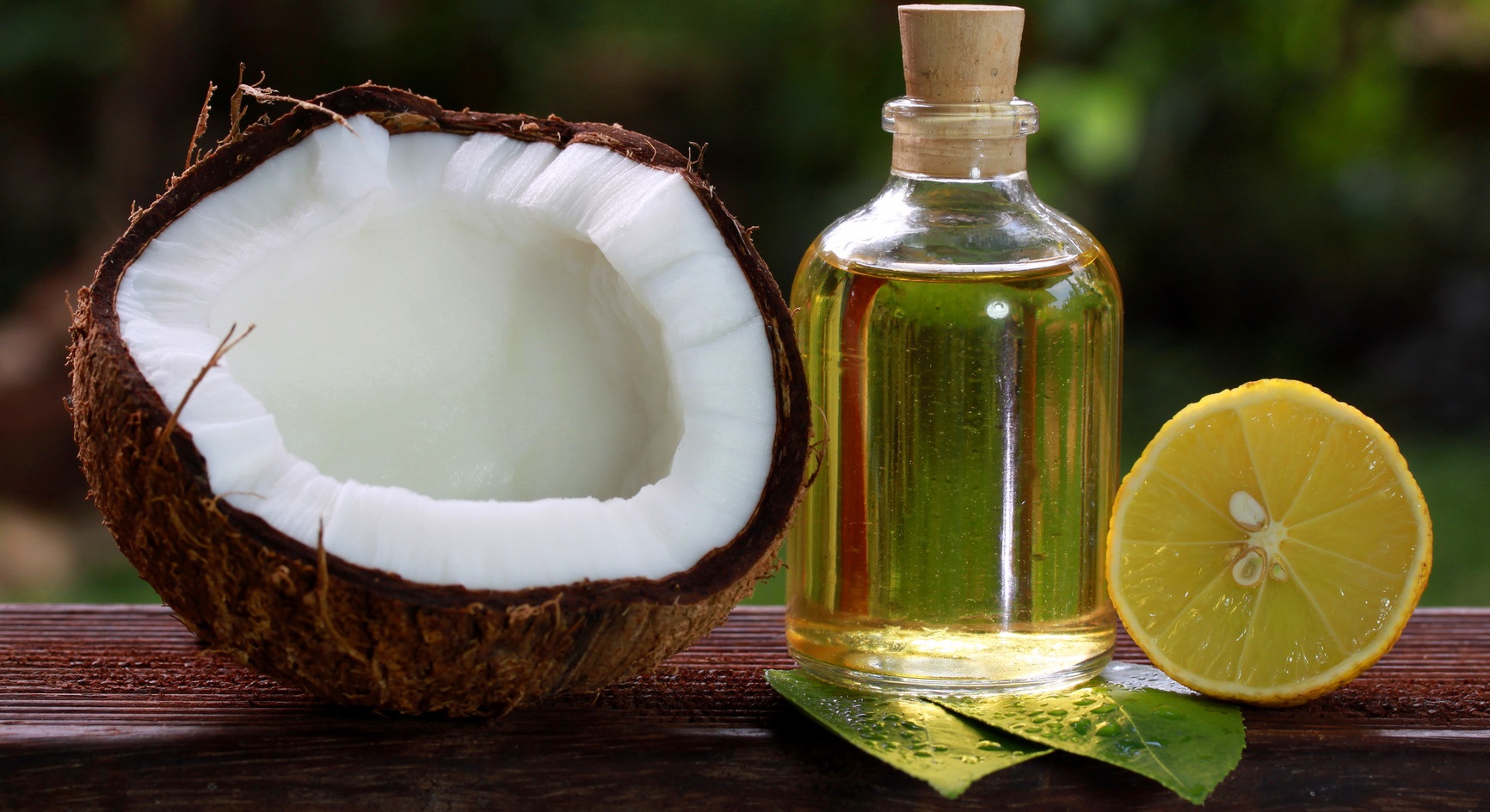
    COCONUT OIL: Coconut oil, used in all Nine Naturals products, is a fatty acid that is easily metabolized by the body, making it an excellent replacement for butter and oils, and helps regulate blood sugar levels while providing stable energy. During pregnancy and breastfeeding, much-needed lauric, caprylic, and capric acid in coconut oil passes from mother to child. These acids are known to have antiviral, antibacterial, and antiparasiticidal properties that support immune system in mommy and baby. On skin, this holy grail ingredient prevents stretch marks and alleviates itchiness on belly and breasts.It’s also a natural, moisturizing, and gentle cleanser. Use to remove makeup from skin, tame frizzy hair, and soothe cracked lips.


    Adding these simple and natural ingredients to your beauty routine will go a long way in helping detoxify your pregnancy. Read labels carefully and opt for brands that provide full ingredient transparency. The Environmental Working Group’s Skin Deep Database is also great place to get more information about companies with high safety ratings.

  • New Mom Myths

    Article & Photo Courtesy of Well Rounded NY.

    Throughout your pregnancy, you are likely to hear friends, family and even strangers imparting their opinions and projections about your unborn child: “Get your sleep while you can!”, “You’re carrying low – you’re having a boy!” By the end of the nine months, you’re exhausted and freaked out. Once the baby arrives, this only intensifies with more people divulging more unsolicited advice. Here are some myths that you’re likely to come across as an expectant or new mom. You’ll be pleasantly surprised that they’re exactly that…myths.

    Myth: “Your baby should be sleeping through the night by 3 months old.”
    Myth Perpetrator: The Mom in the Park with the Good Sleeper
    “Sleeping through the night” is an antiquated notion that if a parent does x, y and z, their baby will sleep the standard 6-8 hours straight at night almost immediately. A lucky few are blessed with a baby that just sleeps well, but many babies wake frequently to feed during those first few months. What determines a baby sleeping through the night is…the baby. You can do everything right, have them on an air tight schedule, observe their every feed, time every nap, sleep train, but it may not work. Even if they do sleep long stretches, this can be interrupted later on with teething, illness, growth, milestones, or changes in season. It may seem like you will never sleep again, but you will. Don’t believe the hype: you are not doing anything wrong and there is nothing wrong with your baby. Sleeping through the night is a developmental milestone that will happen when the baby is ready.

    Myth: “Breastfeeding is a breeze…”
    Myth Perpetrator: Attachment Mom who Doesn’t Own a Bottle
    Breastfeeding might be the most natural thing in the world, but easy it is not. It takes getting used to for both mom and baby. The first six weeks are incredibly emotional, physically taxing, and at times, painful. It is not something that just magically happens on its own. Many moms need the help of lactation consultants to make it work and many quit out of frustration, but in most cases, if you can stick it out in the beginning, it becomes second nature. As baby grows, feedings become less frequent and nursing sessions are faster. Pumping allows you to leave the baby, giving you some of your freedom back. And if you find it isn’t for you, formula feeding is always an option.

    Myth: “Babies need constant stimulation.”
    Myth Perpetrator: The Super Mom
    Babies are pretty simple creatures: they eat, they sleep, they poop. In New York City, however, there is this ideal that a baby should be constantly stimulated and entertained when they are not doing these three activities. Because there are hundreds of mommy-and-me classes starting at “0 months,” some moms feel pressured into enrolling kids in classes even before they are born! Classes are great, but they are neither a necessity for young babies, nor do they mold them into baby geniuses or line them up to go to Yale. Cuddling, playing, taking walks, and going to the park is sufficient stimulation for the first year. When babies become more mobile, can sit up, crawl, etc. then maybe it might be a good idea, but the concept that babies are molded into Van Goghs and Einsteins at 3 weeks old is a farce. It’s exciting to take your baby to their first class and it gets you out of the house, but it certainly is not a requirement in the early months.

    Myth: “You can’t get anything done with a newborn!”
    Myth Perpetrator: The Overwhelmed Mom
    This is a big one. Yes, having a new baby is time consuming, but what babies do most is sleep! What does this mean for new moms? Some say, “Sleep when the baby sleeps.” This is a nice thought and will get you some much needed rest, but it will also leave you housebound and swamped with things to do. Try to start every day with a reasonable to-do list: whether it is running errands, taking a walk in the fresh air, or seeing a friend. Plan your tasks around baby’s naps. If you have a stroller that encourages napping by reclining, baby should be able to sleep while you do things for yourself. They can be fed and changed on the go at this age, so get out of the house!

    Myth: “You’re not experiencing motherhood if you’re a full-time working mom.”
    Myth Perpetrator: The Judgmental Stay-at-Home Mom
    The reality is: some of us do not have the financial luxury of staying home (which, don’t get me wrong, is truly just as much of a job). If you must return to work, or choose to, that does not diminish the mother that you are, nor does it mean you are neglecting your baby. Regardless of the hours you work, the time you spend with your baby is about quality, not quantity. Make every story, bath time, and feeding special by disconnecting from your work world and reestablishing the bond with your baby. Babies instinctually know who their moms are. It takes some getting used to (and a good amount of mom guilt), but you and your baby will adjust to the time apart. Leaving is hard, but the smiles you get when you come through the door are well worth it.

    I hope these myths motivate you to be the kind of mom you choose to be: the way you elect to parent your baby, feed your baby, structure his/her day – it is all up to you and no one else.

    This article is by Lauren Deneroff courtesy of Well Rounded NY. Conceived with love by former magazine editors Jessica Pallay and Kaity Velez, Well Rounded NY aims to be the singular pregnancy resource for city-savvy moms-to-be. Through reviews, profiles, expert Q&As, local guides and more, Well Rounded curates the New York City pregnancy and helps its readers come to terms – and term! – with pregnancy in the city.

  • Things We’ve Read: Week of April 14th

    things we've read

    No Salary, No Benefits, No Sleep: This is the World's Toughest Job (TIME): When Boston agency Mullen posted a listing for what sounded like the world’s worst job, 24 intrepid job seekers stepped up and applied. The full-time, “24/7 on call and pro bono/unpaid” director of operations job included truly hideous requirements like: “Able to work 135+ hours a week,” “Willing to forgo any breaks,” and “Able to manage a minimum of 10-15 projects at one time.” The 24 applicants were interviewed via webcam. That’s when they got the surprise of their life. The job they were interviewing for is motherhood. Watch the viral video.

    Surge in Narcotic Prescriptions for Pregnant Women (NYT): New stats about opioid painkillers prescribed during pregnancy and a conversation about a culture of pain aversion among health professionals and patients. The New York Times

    Increases in women's BMI linked to fetal, infant deaths (LATimes): There's now more reason than ever to get healthy & fit. JAMA just published evidence that even modest increases in maternal BMI are associated with increased risk of fetal death, stillbirth, and neonatal, perinatal, and infant death.

    Why the Woman Who "Has It All" Doesn't Really Exist (Glamour): "Feminism was meant to remove a fixed set of expectations; instead, we now interpret it as a route to personal perfection. Because we can do anything, we feel as if we have to do everything."

    What Are the Barriers to Breastfeeding? (WSJ): Women face a slew of cultural and institutional impediments to breastfeeding. Here's a brief analysis of what's standing between women and the decision to breastfeed.

    Say Nay to BPA (9Bliss): Stay away from BPA! Here are some companies whose packaging is BPA-free.

    At-Home Mothers On the Rise (NYT): The share of mothers who do not work outside the home rose to 29 percent in 2012 - a 23% increase from the turn of the century, a recent Pew Center Research study found. The rising cost of child care is among likely reasons for a rise in the number of women staying home full-time with their children

  • Milk Making Tips for Mamas - The Best Foods for Increasing Breast Milk Supply

    Smoothie for Breastfeeding


    Think you’re all done growing your baby once they’re born? Not quite! If you chose to nurse you will continue to be responsible for every delicious ounce of baby fat on those chubby thighs! Watching your baby grow on your milk alone is an amazingly powerful experience, but it’s not always easy. In order to produce an adequate supply of milk for your growing baby your body needs a little bit of help and extra care. Breast milk takes about 500 calories a day to make so this is not a time to diet! These milk-making tips will help ensure both you and your baby are well taken care of.

    Water

    Breast milk is composed of mostly water. Remember how thirsty you were when you were pregnant? Expect the constant desire for a drink (not that kind!) to stick around as long as you are nursing. Keep a full water bottle with you at all times to make sure you are staying adequately hydrated. If you don’t flood your body with hydration your milk supply will soon suffer.

    Healthy Fats

    Your body needs a good supply of healthy fat to make milk for your baby. Plant based fat sources such as nuts, seeds and avocados are great foods for nursing mamas. A handful of almonds is not only a super healthy nursing snack but can also be eaten with one hand! As a nursing mom one-handed foods will quickly become your friend, especially in the early weeks when it feels like you are constantly nursing your baby.

    Green Smoothies

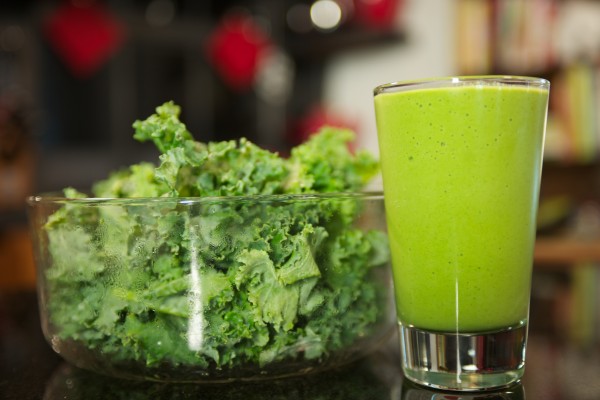
    Just like when you were pregnant, it is still important for a nursing mom to eat plenty of dark, leafy greens. Spinach and other dark leafy greens contain tons of phytoestrogens, which promote healthy breast tissue and lactation. Ask your partner to make you a green smoothie with spinach, avocado, almond milk and banana while you nurse the baby. Green smoothies are not only delicious and nutrient dense but can also be consumed with one hand!

    Special Tea

    Certain herbs are known galactagogues aka milk makers. This Nourishment Tea is packed with milk promoting herbs and is quite easy to make. You can order all of the loose herbs from Mountain Rose Herbs for about $20. Then simply mix all the herbs in the right proportions in a big jar or other sealed container. A cup or two of this tea each day will not only help your milk production but will also help balance out those post-partum hormones!

    • 2 parts Red Raspberry Leaf
    • 2 parts Nettle
    • 1 part Oatstraw
    • 1/2 part Alfalfa
    • 1/2 part Rose Hips
    • 1/4 Red Clover
    • 1/4 part Spearmint Leaf

    1. Place 1/4 cup of mixture in a sealable 1 quart jar (such as a Ball Jar).

    2. Fill jar with boiling water.

    3. Steep for 30 mins.

    4. Store jar in fridge and drink 1-2 cups per day.

    Nurse on Demand

    By far the most important tip for healthy nursing is to nurse your baby on demand, especially in the first few weeks. If you allow your baby to nurse whenever they desire your body will get in tune with how much milk your baby needs. Do not be tempted to try and stretch out your baby’s feedings in the beginning. The more milk your baby drinks, the more you will make. So, if you are concerned about your milk supply snuggle up with your baby for a nursing marathon!

    Sara Jane Mercer is a Holistic Health and Wellness Coach, Vegetarian Chef and Food Writer and the vibrant, creative spirit behind her eponymous blog that is the go- to source for Clean, Pure and Simple living. After countless hours developing healthy recipes in her own kitchen and sharing them with friends around the world Sara realized that all people needed were the right tools, simple steps to follow and easy, quick recipes. Her mission was to educate and to simplify and thus the Clean, Pure and Simple way of life was born. Sara lives in New York City with her husband, baby daughter and dog and enjoys exploring all of the healthy hidden treasures the city has to offer from local food markets and vegetarian restaurants to natural beauty finds and fun new fitness classes. All of her favorites can be found on her website www.sarajanemercer.com.

  • Minimizing Toxins While Breastfeeding

    Breastfeeding provides a growing baby with numerous health advantages. Breastmilk’s natural ingredients include protein (whey, casein, and other baby-friendly proteins), fats, vitamins, and lactose, in addition to infection-fighting leukocytes (APA).

    If you are considering breastfeeding, it's a wonderful option. Science Daily, for example, discusses PSTI (pancreatic secretory tripsin inhibitor) which reinforces and strengthens the lining of newborns’ intestines. Leukocytes, which battle illness in babies, also only exist in breastmilk. Nursing could also go so far as to improve baby’s genes in ways that safeguard an infant’s immune system.

    However, it behooves moms and their babies to also understand that healthy nutrients aren’t all that can transfer via breastmilk from mother to baby. What you eat, drink, or use for your bodycare during pregnancy and nursing can contaminate your breastmilk and expose your baby to risk. Florence Williams, acclaimed author of “Breasts,” wrote in a 2005 NYT article about how toxins can transfer from mother to baby via the breastmilk. Women in their child-bearing years may have unknowingly developed a “chemical burden,” or buildup of harmful compounds:

    When we nurse our babies, we feed them not only the fats, sugars and proteins that fire their immune systems, metabolisms and cerebral synapses. We also feed them, albeit in minuscule amounts, paint thinners, dry-cleaning fluids, wood preservatives, toilet deodorizers, cosmetic additives, gasoline byproducts, rocket fuel, termite poisons, fungicides and flame retardants. -Williams

    This should not discourage mothers who wish to breastfeed - but rather should make them more judicious about their exposure to chemical toxins during pregnancy and nursing. What you put into and onto your body counts in the pursuit of a healthy body for both you and your baby. Keep that truth in mind when selecting which products to incorporate into your skincare and haircare regimens.

    Women should look after themselves during nursing as carefully as they do during pregnancy. Here are a few tips to accomplish just that, while avoiding exposure to toxins where possible:

    1. Use chemical-free, natural products. Research and stick to beauty lines such as our very own Nine Naturals.
    2. Read product labels closely. Learn how to recognize variations of harmful chemicals as phthalates and sulfates.
    3. Eat organic. Make organic food choices that optimize your nutrient sources and minimize chemical exposure, like pesticides.
    4. Steer clear of second hand smoke. You obviously know not to smoke at all while pregnant. Research also proves that cigarette and marijuana smoke can subject your infant to risk of SIDS and stunted growth and development.
    5. Avoid synthetic fragrances. They’re riddled with toxins and can enter your body through your respiratory system and through your skin.
    6. Inform your physician of any and all medications. From aspirin to acne cream, even the most innocuous medication can cause harm to your body and your baby’s body while nursing. Have a detailed discussion with your pediatrician and / or obstetrician to go over which meds are safest and which are risky.

    Want to learn more about preparing for breastfeeding? Read our Top 5 Tips on how to Prepare for Breastfeeding and check out our Nine Ways to Reduce Your Toxic Burden During Pregnancy.

    We wish you a wonderful experience with your newborn. As always, we encourage you to keep your body healthy through pregnancy, breastfeeding and beyond. Because taking care of yourself is the best thing you can do for your baby - especially during this special time in the baby's development.

  • Spruce Up Your Nursing Style This Fall with Emily Hsu of Au Lait!

    Finding tops that make breastfeeding easy, but don't compromise on style are almost impossible to find...until now. Enter Emily Hsu, founder and president of Au Lait, a NYC-based nursing wear line that offers fashionable tops catering to the needs of the breastfeeding mother. Emily believes that although comfort is important, it should not come at the expense of looking your best. We sat down with Emily who gave us her fall fashion tips and styled 3 inspiring looks for the busy, nursing mom on-the-go!

    Emily: Fall is my favorite season of the year and if you are like me, I try to spend as much time outdoors as possible before winter strikes. When you are breastfeeding, trying to figure out what to wear is probably the last thing you want to worry about! Here is my Fall style guide for nursing mothers:

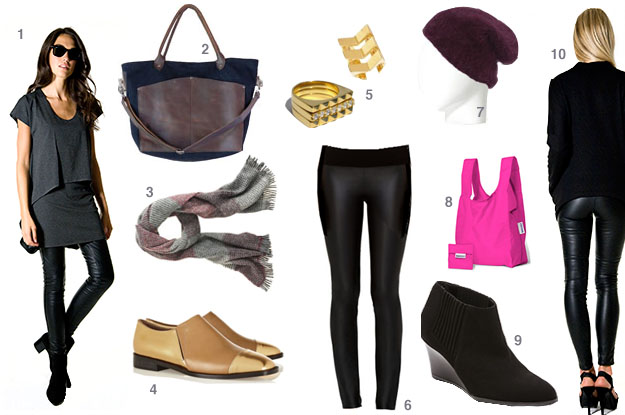
    Look 1: Casual/Weekend

    look1

    Credit: The Tee Dress in Charcoal (Au Lait Shop), Waxed Canvas + Leather Diaper Bag (LocknKeyLeathers), Grid Pattern Scarf (J.Crew), Metallic Leather Loafers (Marni), Rings by TOMTOM Jewelry - (TOMTOM), Night Out Legging (Hatch Collection), Knitted Hat ( Zara), Baby Baggu in Magenta (Baggu), Nora Wedge Boots (L.K. Bennet), The Pullover Cardi (Au Lait Shop)

    Weekends are really about being comfortable while still remaining stylish. This sounds easy but we know how hard it is to even think about looking stylish when you are nursing.

    I recommend starting with the Au Lait Tee-dress, which can be worn alone or as a long top, pairing it with leather leggings, and a wine-colored knit cap that seems to be everywhere this season (you can't drink, might as well infuse a little bit of wine somewhere~)! Wedges are red-hot and back in the game so throw away those uncomfortable heels - just a tiny bit of wedge gives you an instant lift and it actually helps you re-build your core. Throw a baby Baggu into your diaper bag just because it has saved me so many times when I needed to carry soiled baby clothes home! Punk is still very much alive so a couple pieces of punk-inspired jewelry rounds out the perfect casual look.

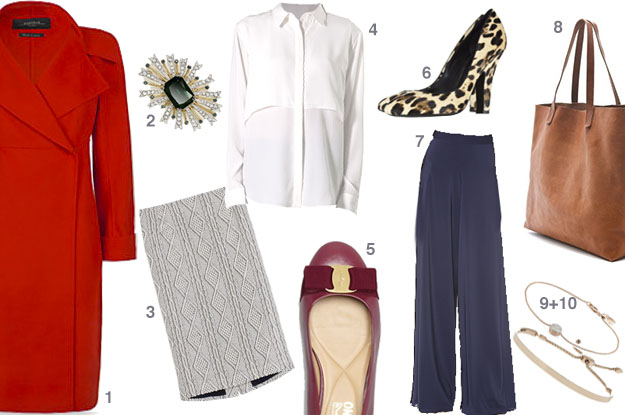
    Look 2: Business/Work

    look2

    Credit: Red Coat (Weekend by Max Mara), Sunburst Stone Pin (Carolee), Cable Skirt (Tibi New York), The Blouse in White (Au Lait Shop) , Ballet Flats in Varina ( Salvatore Ferragamo), Leopard Print Pumps (Dolce & Gabbana), Super Flared Wide Leg Pants (Alice + Olivia), Transport Tote (Madewell), Rose gold-plated diamond bracelet & Fiji rose gold-plated bracelet (Monica Vinader)

    If you pump at work, I recommend starting with a good nursing blouse tucked into a textured skirt or a pair of menswear-inspired trousers. Most moms stop wearing jewelry once they have a baby, but brooches are an easy (and cheap) way to make a statement and it comes right off with your coat or cardigan so you can cuddle with your little one the second you step home. Add a bit of flair with some leopard print chunky heels (stylish but comfortable!) but toss the sneakers on the walk to the subway and slip into a classic pair of ballet flats instead. Pump-at-work moms need to choose their bags carefully and this chic tote not only looks professional but is big enough to hold your pump and ice pack.

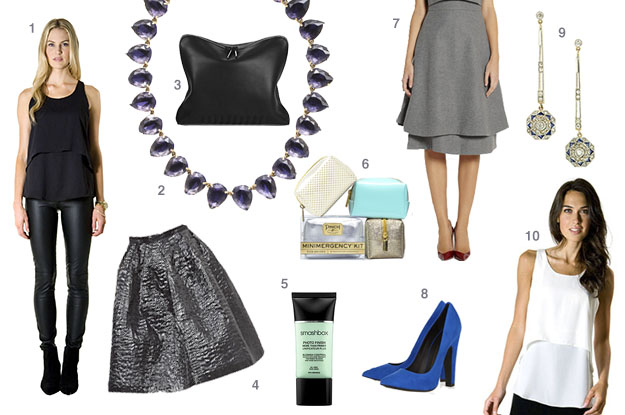
    Look 3: Dressy/Formal

    look3

    Credit: Tank in Black (Au Lait Shop), Petite Pear Necklace (J. Crew), 3.1 Phillip Lim Ryder 31 Minute Medium Clutch (Phillip Lim), House of Holland Full Skirt in Oilslick (ASOS), Smashbox Photo Finish More Than Primer Blemish Control (Smashbox), Pinch Minimergency Kit (Pinch), Layered wool-felt skirt (Vika Gazinskaya), Ester Suede Pumps ( Giuseppe Zanotti), Vintage Diamond & Sapphire Drop Earrings (Doyle & Doyle), The Tank in Ivory (Au Lait Shop)

    The last thing you want to spend money on is an evening dress that you will end up wearing only once and let's not even talk about the logistics of trying to pump/express milk in a gown in a public place! Good thing full lady-like skirts are back in vogue and nursing moms don't have to struggle to find a dress to look dinner party ready. I recommend you start with the Au Lait nursing tank that is versatile enough to take your look from day to night. A statement necklace will help dress up the neck line and add a pop to your lady-like outfit with a dash of blue! The chunky heels provide extra balance and ensure your enjoyment on your precious night out. Breastfeeding might throw your hormones all out of whack, so a primer with some salicylic acid (breastfeeeding compatible and Paula's Choice approved!) will keep any flareups at bay. We picked this specific clutch because it is rare that an evening clutch can hold so much so go ahead and toss a mini emergency kit in there because you just never know.

    Emily is the founder and president of Au Lait, a NYC-based nursing wear line that offers fashionable tops that cater to the needs of the breastfeeding mother. Utilizing her knowledge in fabrics and garment construction, Emily decided to solve the two biggest issues with nursing and breastfeeding tops: privacy for the nursing mother and designs that avoid the drab look that nursing tops feature today. Although comfort is important, it should not come at the expense of looking your best. Au Lait features brand new feeding systems that offer both easy access as well as privacy for the nursing mother.

    Since giving birth to baby Avery in 2012, Emily has been a work-from-home mom consulting in the fashion industry and creating Au Lait.

  • Things We’ve Read – Week of September 30th

    Screen Shot 2013-10-06 at 12.25.03 PM

    Uncertain Inheritance: Transgenerational Effects of Environmental Exposures (Environmental Health Perspectives): Scientists are studying the effects chemical exposures can have over multiple generations.

    Longer Maternity Leave Not So Great for Women After All (Time Magazine): Turns out women in those Nordic countries with luxurious maternity leaves get mommy-tracked when they go back to work

    Breast-Feeding Services Lag Behind the Law (NYTimes): Despite laws under the Affordable Care Act implemented to support breastfeeding mothers, many new mothers have found it nearly impossible to get timely help for breast-feeding problems since Jan. 1, when health insurers began updating their coverage.

    Ah, There’s Nothing Like New Baby Smell (NYTimes): The smell of a newborn has the same dopamine effects on a woman’s brain as doing coke.

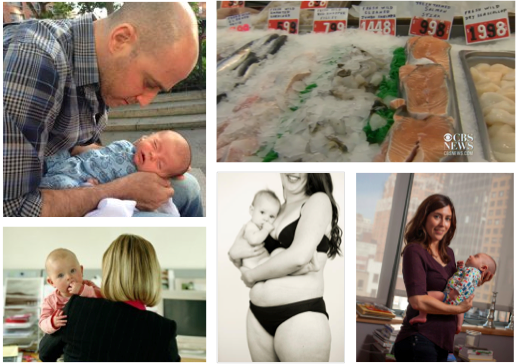
    Consumption of fish may have little effect on mercury levels in pregnant women (CBS News): A new study finds that fish consumption by pregnant women may only contribute to 7% of their blood mercury levels.

    Fourth Trimester Bodies Project (Co.Create): These photos show what women really look like after pregnancy

  • Things We’ve Read – Week of September 16th

    o-VOGUE-570

    Four Ways to Tell if Natural Childbirth is Right for You (The Stir): What factors you should consider, such as pain tolerance and your support system in assessing whether natural childbirth is right for you.

    Drinking Milk in Pregnancy May Lead to Taller Children (NYTimes): A study in Denmark about the impact of milk during pregnancy on the height of children. The study suggests, in fact, yes, the women who drank milk during pregnancy had slightly taller children than those who did not.

    Can You Really Balance it All? (Mom.me): Nina Garcia shares her advice on balancing it all with her top tips for staying on top of a high pressure career and motherhood.

    The Simple Test that Saved my Baby (NYTimes): How a simple, inexpensive test for congenital heart problems can save a newborns life and the debate over whether it should be required by law to be administered to all newborns.

    Vogue' Breastfeeding Shoot is Pretty Fearless (HuffPo): HuffPo's Style addresses this controversial photo shoot! What do you think?


  • Top Breastfeeding Gear from Expert Lactation Consultant, Sheridan Ross

    As part of Breastfeeding Awareness Month, we sat down with expert lactation consultant, Sheridan Ross of Baby Sips, to learn more about what breastfeeding gear to purchase ahead of the baby arriving. There are great products out there that will help to make breastfeeding a smoother and more comfortable - especially in the beginning as you're just getting a handle on it. Here are Sheridan's recommendations for Top Breastfeeding Gear to purchase before the baby arrives:

    1. Mommy’s comfort is imperative! That doesn’t mean go out and buy a giant glider, though. Move around your home and see what you’ve already got “in stock”. What use to qualify was your cushy recliner, but with a newborn and donut pillow it might be the last thing you want to sit on while breastfeeding. Not too deep, not too soft, not too narrow (I sound like Goldilocks). You need to be able to relax but be supported and comfortable. Locate that place before you bring home your baby so you know where to go when it’s time to feed. As you get into a rhythm with nursing, these might change.
    2. Nursing Pillows. I’m a huge fan of the My Brest Friend. It gives fantastic lumbar support and gets up nice and close to you. Firm pillow top allows you to use more pillow support and less upper body strength when nursing.
    3. Nursing Foot Stool. This might seem like a frivolous purchase, but I promise you, the ottoman from the front room will not work. The nursing stool is just a few inches off the ground, usually at the correct angle for your feet and it’s wonderful. It brings your lower back into a neutral position (no back aches, no strain), knees come up a little offering additional support under your MBF pillow. I’ve seen it make a huge difference for many nursing mommas.
    4. Pariday TendHer Pillows. These are the greatest things since sliced bread. Filled with a non-toxic vegetarian food-based gel inside a deliciously soft safe plastic pouch (BPA + phthalate free), they last for FOUR WEEKS. Not 72 hours. Not 6 days. 4 weeks. And they maintain their “feel good” status the entire time. Use them warm, cold, room temp – it all works. That means less waste and multiple uses! Sore nipples, inflamed areola, plugged ducts, plugged nipple pores, engorgement, headache, cramps, early teething comfort, boo-boos, and more. They come with pillowcases to help wick away milk and prevent leaking on clothing. Once you hold them in your hand they’re hard to put down.
    5. Green Cabbage for engorgement. You don’t eat it; you WEAR it. Here’s how to use it properly:
    • Buy a head of common green cabbage.
    • Remove the core and carefully peel individual leaves from the head of cabbage.
    • Wash the leaves, pat them dry, and pop them into the fridge – cooling provides more comfort.
    • Choose your leaves and roll them with a rolling pin (or a similar object) to break up the fibers.
    • Gently place the leaves around the engorgement of your breast (not the areola or nipple), and possibly up into the swollen area under your arms; and wear a light supportive bra (no underwire!) for at least one hour. By this time the leaves should be wilted.
    • Discard the wilted leaves.
    • Repeat the process every 4-6 hours until the engorgement subsides.

    You might feel like a walking salad but it’s better than feeling like a walking zombie!

    Why Cabbage? Cabbage has a natural anti-inflammatory effect when used for a short period of time; however, it should not impact your supply if you’re constantly removing milk by nursing or pumping. When using cabbage for an extended period of time, without milk removal or breast stimulation, it can impact your milk supply – consider it a good tool again when you’re ready to wean.

    If the road starts to get bumpy, then call for support. If you’re having pain from the start, call for support. If you’re a first time mommy or this is your seventh child, this new baby has never nursed before so be patient while you figure it out together. There’s a bit of a learning curve so have your “village” help with the house, laundry, and cooking, and call your IBCLC. You won’t be sorry.

    Want to learn more about breastfeeding? Read Sheridan's Top Five Tips on How to Prepare for Breastfeeding.

    Sheridan Ross is a skilled and compassionate lactation consultant who provides counseling, education and support to moms at every stage. Sheridan is internationally board certified and received her education from UC San Diego and Health e-Learning’s Breast-Ed Series from Australia. She is a member of ILCA (International Lactation Consultants Association), USLCA (United States Lactation Consultants Association), and BALA (Bay Area Lactation Association).

    Sheridan has worked as a lactation consultant at Healthy Horizon’s Breastfeeding Center, at the Family Birth Center in Mills-Peninsula Hospital, and is on staff at Bay Area Fertility & Pregnancy Specialists and Pediatrics. She regularly teaches breastfeeding classes, infant massage classes, and hosts support groups. Sheridan's commitment to infant health and wellbeing extends to her additional roles as a labor doula, certified massage therapist with a focus on prenatal massage, and as a certified instructor of infant massage. For more information, please go to: www.babysips.com or 650-BABYSIPs (650-222-9747).

  • Before the Baby Arrives, Top Five Tips on How to Prepare for Breastfeeding

    Sheridan Ross, Licensed Lactation Consultant and Founder of Baby Sips, tells us how to "prepare, deliver and conquer."

    How will I know my baby is getting enough? What if I can’t produce an adequate amount of milk? Is it true I need to “rough” up my nipples to prepare for breastfeeding? If you’re planning to breastfeed, these are just a couple of the questions that have likely raced around your brain. Taking the time to learn the answers now will help you get breastfeeding off to a great start and will allow you to approach it with confidence.

    I continually observe families devoting the majority of their pregnancy to learning how to give birth, with several weeks of breathing, effleurage, and squatting on a yoga ball. Breastfeeding education can sometimes be an after thought. The funny thing is breastfeeding lasts much longer than the labor and delivery! Don’t get me wrong, it’s good to get prepared for birth, but I highly encourage you to spend more time on the post delivery. Think about it: you’ll be feeding your newborn(s) every 1.5-3hrs around the clock. Not sure if you heard me: AROUND THE CLOCK. Daily. Nightly. Afternoonly. It doesn’t stop, so taking the time to wrap your head around it before your little one makes their debut is a great idea.

    Here are my Top 5 Tips:

    1. Find a few local prenatal breastfeeding classes and investigate.

    • What makes them worth your time and/or money?
    • Is it educational, supportive, non-judgmental, and fun?
    • Do they encourage partners to attend?
    • Do they provide a superbill so you can try to apply for reimbursement from your insurance company? *this is new and LC’s are working really hard to help make this happen*

    2. Read some books – you should still have time for that, right? You’ll see that I have a favorite…

    • The Nursing Mother’s Companion – Kathleen Huggins
    • The Latch and other Keys to Breastfeeding – Dr. Jack Newman
    • The Womanly Art of Breastfeeding – LaLeche League
    • The Ultimate Breastfeeding Book of Answers – Dr. Jack Newman
    • Breastfeeding Made Simple – Nancy Mohrbacher, IBCLC
    • Dr. Jack Newman’s Guide to Breastfeeding – Dr. Jack Newman

    3. Watch some DVD’s

    • Happiest Baby on the Block – Dr. Harvey Karp
    • Dr. Jack Newman’s Visual Guide to Breastfeeding – Dr. Jack Newman
    • BabyBabyOhBaby’s Breastfeeding – David Stark (this video makes me cry every time I watch it)

    4. Attend a local Breastfeeding Support Group

    • This is wonderful to do while pregnant. The women who attend are always excited to see you and you’re able to get some real-world info on what’s going on in the many stages of baby development and behavior. Bring your partner!

    5. Find a local IBCLC (Internationally Board Certified Lactation Consultant) in your area and put them on speed dial.

    • Interview a couple of them and see who resonates with you – sort of like choosing a Doula. You want someone who will be supportive and nurturing without adding guilt or pressure to the mix.
    • What is their philosophy and are they interested in hearing yours? Do they listen?
    • Does your Midwife have breastfeeding experience? Your Doula? Does your birthing center or hospital have IBCLC’s available? How much time do they typically spend with patients?

    If the road starts to get bumpy, then call for support. If you’re having pain from the start, call for support. If you’re a first time mommy or this is your seventh child, this new baby has never nursed before so be patient while you figure it out together. There’s a bit of a learning curve so have your “village” help with the house, laundry, and cooking, and call your IBCLC. You won’t be sorry.

    Sheridan Ross is a skilled and compassionate lactation consultant who provides counseling, education and support to moms at every stage. Sheridan is internationally board certified and received her education from UC San Diego and Health e-Learning’s Breast-Ed Series from Australia. She is a member of ILCA (International Lactation Consultants Association), USLCA (United States Lactation Consultants Association), and BALA (Bay Area Lactation Association).

    Sheridan has worked as a lactation consultant at Healthy Horizon’s Breastfeeding Center, at the Family Birth Center in Mills-Peninsula Hospital, and is on staff at Bay Area Fertility & Pregnancy Specialists and Pediatrics. She regularly teaches breastfeeding classes, infant massage classes, and hosts support groups. Sheridan's commitment to infant health and wellbeing extends to her additional roles as a labor doula, certified massage therapist with a focus on prenatal massage, and as a certified instructor of infant massage. For more information, please go to: www.babysips.com or 650-BABYSIPs (650-222-9747).

10 Item(s)