Tag Archives: Pregnancy Tips

  • 4 Steps to Fight Morning Sickness - From Nine Naturals + healthy mama® Brand

    While pregnant, most women experience uncomfortable symptoms such as tenderness, nausea, fatigue, cravings, and increased urination. That is why Nine Naturals is excited to partner with Healthy Mama to bring you helpful tips on how to fight common symptoms, so you can have a happy, healthy pregnancy.

    While many suggest that morning sickness might be a good sign that the baby is growing and healthy, let’s face it--feeling pregnancy nausea is miserable. Most experts agree that this common symptom, which affects 70% of pregnant women, is caused by the surge of hormones brought on by pregnancy. Most get relief after the first trimester when hormone levels have evened out a bit, but about 20% continue to feel nauseated throughout the whole nine months.

    Feeling like you have the stomach bug for months feels awful and can suck the joy out of having a baby all together. Here are Nine Naturals’ and healthy mama®’s top tips for avoiding and treating morning sickness.

    1. Start Strong.

    Before getting out of bed in the morning, you may want to eat a light snack--think a few Saltine crackers--and get up slowly. Feel free to sit on the side of the bed for a few minutes before standing up. Don’t start moving around on an eight-hour empty stomach because it can bring nausea on strong. Despite its name, morning sickness can strike at any time of day or night, that’s why many moms-to-be even stash a snack on their nightstands.

    1. Stay Hydrated.

    Drink fluids often during the day to stay hydrated. Eight glasses a day may be hard when you’re feeling woozy but remember: dehydration will only make the problem worse. The colder the drink, the easier it’ll be to get down. Try Healthy Mama’s refreshing Boost it Up! Caffeine Free Protein Anti-Nausea Energy Drink, which is packed with protein, B-vitamins, fiber, ginger and electrolytes to help fight nausea. This drink was developed by nutritionists to be 100% safe during pregnancy, is OBGYN-recommended, and endorsed by the American Pregnancy Association.

    1. Eat Right & Try Ginger.

    Eat smaller, more frequent meals and avoid fatty foods -- they’re hard to digest. Foods and drinks with ginger can help too. For many centuries, ginger has been used in traditional Asian, Indian and Arabic medicine to help alleviate digestive problems, including nausea. Modern research, too, indicates that the root’s volatile oils and pungent phenol compounds, such as gingerols and shogaols, can in fact relieve stomach upset. Boost It Up! and Nip the Nausea use ginger as a key ingredient. Nip the Nausea! 100% Organic drops fit easily in your purse so you can take them with you wherever you go! And launching in February is the much anticipated Nip the Nausea! organic morning sickness capsules containing amounts of ginger and vitamin B6 clinically proven to help eliminate morning sickness without the drowsiness of drug options.

    1. Enjoy Aromatic Fragrances.

    Certain odors may trigger your gag reflex, since your sense of smell is heightened during pregnancy. If specific odors consistently bother you, you can try to minimize your exposure to them or avoid them altogether. Switching to all natural beauty products can help you reduce your exposure to chemical fragrances (as well as other additives that can harm you and your growing baby). Nine Naturals products are all-natural and free of synthetic fragrances; in fact, their light, natural fragrances utilize principles of aromatherapy especially for pregnant women. Nine Naturals' Citrus + Mint Nourishing Shampoo and Conditioner, Vanilla + Geranium Regenerative Belly Butter, and Mandarin + Ginger Restorative Conditioner are all made with pure essential oils known to boost energy, lift moods, and relieve nausea.

    Morning sickness is definitely not one of pregnancy’s main perks, but with a little bit of proactive planning -- and a few helpful products to help you along -- you’ll be feeling better, and gorgeously glowing, in no time.

    RELATED POSTS
  • Pregnancy Emojis

    10 emoji phrases to help get you through your pregnancy and baby journey.

    Article & Photos Courtesy of Well Rounded NY

    I used to call people and talk to them. If they didn’t answer, I left a message. A long and rambling one. And then I got pregnant and everything changed. I was tired. My calls devolved into texts. And then I downloaded emojis. I pretty much stopped using words. Because, really, who needs them?

    It started innocently enough with some messages to non-pregnant friends during my first trimester, but it quickly evolved into my chosen method of communication. I realized I could say everything, and say it more eloquently, with emojis. You can too. Here’s 10 pregnancy emoji phrases you just might find yourself calling on during your own baby journey.


    What emoji phrases do you use to talk about pregnancy and babies?

    This article is by Jessica Pallay, courtesy of Well Rounded NY. Conceived with love by former magazine editors Jessica Pallay and Kaity Velez, Well Rounded NY aims to be the singular pregnancy resource for city-savvy moms-to-be. Through reviews, profiles, expert Q&As, local guides and more, Well Rounded curates the New York City pregnancy and helps its readers come to terms – and term! – with pregnancy in the city.

    RELATED POSTS

  • Mastitis and Breastfeeding

    Learning the art of breastfeeding—like picking up any new skill—requires time, practice, and a whole lot of patience. The first six to 12 postpartum weeks are a critical time, as many moms will decide whether or not to continue nursing their infants during this period, with some coming to that conclusion after experiencing lactation mastitis.

    Mastitis is an infection of the breast tissue, typically only affecting one breast, which results in redness, swelling, and severe pain. It is often either caused by a clogged milk duct from a partially emptied breast, or bacteria that enter through the broken skin of a nipple or milk duct opening. Flu-like symptoms, including fever (101 degrees F or more) and chills, are typically the first to arise, followed by a painful and/or burning sensation, as well as overall tenderness to the touch. At the onset of this combination of symptoms, consult your healthcare provider, who will prescribe an oral antibiotic to effectively clear the infection.

    Preventing mastitis is easier said than done, but there are a series of risk factors that can increase your chances of suffering from this ailment, including: not emptying your breast during a feeding, favoring one nursing position and/or breast, wearing an ill-fitting bra that may constrict milk flow, sore/broken nipples, poor nutrition, and stress. Nursing moms, especially those prone to developing mastitis, should invest in a comfortable, hassle-free nursing bra—like the Au Lait Seamless Lounge Nursing Bra—that will properly support the breasts both during and in between feedings without restricting them.

    To relieve mastitis pain, fellow moms, doctors, and lactation consultants alike agree on the following tactics:

    1. Drink fluids throughout the day

    2. Rest whenever possible (surely you’ve heard “Sleep when the baby sleeps”)

    3. Empty breasts completely, and hand express (if needed)

    4. Reduce the edema by gently massaging the affected area towards the nipple, using Nine Naturals Unscented Moisturizing Pregnancy Body Cream as a gentle, vitamin-rich lubricant

    5. Apply cold packs following a feeding to ease the hot pain

    6. Wear a properly fitting nursing bra or tank that is supportive of your breasts without being constricting.

    It is most beneficial for you and your baby to continue breastfeeding, even during your bout with mastitis, so don’t allow the temporary discomfort dissuade you from continuing to provide your child with the ultimate nourishment.

  • Well Rounded Wellness

    Article & Photo courtesy of Well Rounded NY.

    The 3 things you’ll want to start doing right now to prepare you for pregnancy and birth.

    A great aspect to pregnancy is that no two women have the same experience. Some feel wonderful and others want to rip their hair out as their pregnancy progresses. For me, at 24 weeks, I really don’t have many complaints… and I’m usually not shy when it comes to complaining. Being a healthcare practitioner may have played a big role. But it’s not just because I started off at an advantage with nutrition and fitness expertise. I took it upon myself to really understand what my body was experiencing and nurtured its changes as best possible.

    One of the best ways to take care of yourself during your pregnancy is maintain a low stress level. I loved this quote from a recent HuffPost article: “Labor is one of the most physical things you’ll ever do,” prenatal instructor Angela Gallagher told Yoga Journal. “You would not run a marathon without preparation. Why would you go into labor without preparing for it?”

    For those of you who are looking to get pregnant or are currently pregnant, here’s a few tips to prepare you no matter where you are in your pregnancy.

    Yoga
    If you are considering getting pregnant, I’d suggest incorporating yoga into your fitness routine even for as little as 20 to 30 minutes once per week. According to a 2012 study, yoga during pregnancy has been noted to lower stress levels, decrease leg and back pain and decrease depression/anxiety-related emotions (among many others!). Depending on how advanced you are, modifications could come as you see fit. I started modifying my yoga practice at 20 weeks, but until then I was able to perform a proper Vinyasa flow format. I felt a sense of calm after each class and always found myself sleeping well on those nights. Studios like Pure Yoga offer a variety of flows as well as prenatal yoga classes.

    Herbal Teas
    According to Jillian Fitzgerald, an NYC-based licensed acupuncturist, herbal teas could help pregnant women manage their symptoms (i.e. morning sickness and general nausea) and stay hydrated. A 2005 study demonstrated the effectiveness of ginger in treating nausea and vomiting during pregnancy. As a bonus, some teas provide important nutrients such as calcium, magnesium and iron. Brands like Traditional Medicinals offer a variety of safe herbal combinations hand selected by an in-house herbalist to provide relief to common early trimester symptoms such as nausea, morning sickness, headaches, gas and general discomfort. My two favorites include the Organic Pregnancy Tea, a combination of raspberry and nettle leaf, and other smaller herbs such as spearmint leaf and the Organic Ginger Aid, which primarily includes ginger rhizome.

    Massage
    Massage therapy — even prior to pregnancy — is a drug-free way to feel good, and people don’t take advantage of it primarily due to time and budget constraints. Many spas provide discounts on massage packages and work with their clientele to ensure regular attendance. You just have to ask! In a 2008 study, massage therapy during pregnancy resulted in decreased self-reported leg pain, back pain, depression and anxiety. Bonus: partners who massaged the pregnant women reported a decrease in depression and anxiety as well. Although there aren’t many places exclusively dedicated to pregnancy, some like Edamame Spa in NYC, offer different therapies based on preference. Noelle Masini, manager of of the spa, noted that many women book a massage in their last few weeks and most wished they had visited sooner.

    Pregnancy is a precious time and you deserve “me” pampering so take advantage and make your health a priority!

    This article is by Anita Mirchandani courtesy of Well Rounded NY. Conceived with love by former magazine editors Jessica Pallay and Kaity Velez, Well Rounded NY aims to be the singular pregnancy resource for city-savvy moms-to-be. Through reviews, profiles, expert Q&As, local guides and more, Well Rounded curates the New York City pregnancy and helps its readers come to terms – and term! – with pregnancy in the city.

  • Postpartum "Bliss"

    Article & Photo courtesy of Well Rounded NY

    10 top secret things about having a baby that nobody ever told you about…until now.

    Some of you expectant mothers out there might choose to approach your Big Day blissfully unaware of what is headed down the pipeline (so to speak). This post is not for you. For those of you who are not afraid of peeking around the hospital curtain, boy-oh-boy, well, I’m going to give it to you straight.

    You already know that the whole birthing thing is not pretty. But there are quite a few things that pregnant peeps everywhere will never know about the process until they are swimming in breast milk. This is because the rest of us – those moms who have been through the birthing and postpartum experience – are purposely keeping these things a secret from you. If we told you, the world may cease to procreate.

    So consider what I am about to reveal to you as 10 Top Secret Tips that I really shouldn’t be telling you. But because I’m really bad at secret-keeping, I’m going to tell you anyway.

    1. You will heart your hospital gown so much.
    Perhaps you have ordered a special nightgown or robe to wear during your hospital stay. You may have even planned a blowout prior to your due date, and have included some essential makeup items in your hospital overnight bag. Dream on. The only gown you will want to wear is the hospital gown. It is the easiest thing to wear when attempting to breastfeed for the first time, and, because you will be leaking fluid from every orifice, you won’t want to wear anything you can’t burn upon leaving the hospital.

    2. Wee-wee pads are not just for dogs.
    Is your secret name Spot? Or Fido? You might think so, based on the fact that your hospital bed features three layers of wee-wee-pads, lovingly changed on the hour by the friendly hospital staff. You will have no control over the fluids that will be exiting your body, so embrace the pads. Take some home, too, because you don’t want to stain your own bed. Plus, the memories!

    3. Peeing with a stranger is fun.
    Not really. But it is helpful! Your first post-labor pee pee will most likely involve a kindly nurse gently walking you into the bathroom and squeezing a warm bottle of water onto your V, to help with that first excruciating tinkle. She will explain that you will need this bottle from now on every time you use the commode because you if you do not use it, peeing will feel like FIRE. Further warning: You will want the emotional support of this nurse every time you need to use the bathroom. Consider asking her to come home with you.

    4. You will be wearing a lot of mesh underwear.
    Did you know about the mesh underwear? I bet you didn’t. You’re probably thinking this is some kinky new trend started by forward-thinking moms in New Zealand. Maybe you are picturing something you might find at your neighborhood Adult Fantasyland store. You are picturing it all wrong. Following labor, the hospital will hide the nice underwear you had planned on wearing during your stay and instead give you something that resembles surgical gauze or cheesecloth at best to cover your lady parts. Most likely, you will develop a rash from the mesh, which is REALLY fun if you end up also having a C-section scar. So much itching! Fun fact: Once you are home and you have graduated from the mesh, you get to wear the kind of underwear you enjoyed in middle school – big, bottom-covering, bunchy-butt, elastic waist ones. This is the only type of undergarment that can accommodate the supersize, extra-long, double overnight maxi pads that you will be wearing for the next several weeks post labor.

    5. Speaking of . . . Let’s talk about pads!
    So you’ve gotten to enjoy one of the only perks about pregnancy – not worrying about wearing white pants in case your period pops up unexpectedly, not having to buy anything with the word “absorbent” in it. Welcome back from dreamland, ladies. After labor, you will be bleeding every day, all day, for several weeks (and possibly even months). You might even think that having a C-section negates the postpartum bloodletting. No. Postpartum believes in equal rights for all types of labor, and so, expect to bleed like the elevator scene from The Shining.

    6. Also, witch-hazel pads.
    Visit anyone who has just gotten home from the hospital, and you will find a trusty container of witch-hazel pads in the bathroom. Post-birth, these will become your “toilet paper”. You no longer will be able to use toilet paper unless you like the feeling of sandpaper rubbing against a painful open wound. Supposedly, witch-hazel is “soothing.”

    7. Beware your first postpartum poo.
    You thought that constipation during pregnancy was pretty rough. Get ready for something that makes that pale in comparison. Not only does your stomach still look eight months pregnant, but also you will now be carrying quite a load – and this one isn’t cute. Maybe for over a week. All that Percocet is super constipating, and if you end up having surgery, that just adds to the clogged-up equation. For the love of all that is holy, do not try to force the poo. Do not hunker down with a stack of celebrity magazines and use your newly acquired pushing skills to achieve bowel clearance. The poo will come to you, and when it does, assign someone to hold the baby for the next hour and a half while you push a tennis ball out of your rectum. Don’t worry. You’re familiar with that feeling by now, right?

    8. Nursing bras are your new sexy.
    Bras are nice. They are pretty. The expensive ones make you feel like you’re someone’s mistress. They lend shape, they contour, they even provide a little layer of protection when someone jabs his elbow into your boobs on the subway. Nursing bras, however, can SUCK. Even the ones from brands cheekily named “Hot Milk” or “Jezebel” or “La Comptesse” or whatever sultry name these companies have come up with to help you come to terms with the fact that you have to wear a bra that provides so much coverage it practically hits your chin.

    9. Breast pads. An introduction:
    Why must so many things concerning postpartum involve the word ‘pad’? How humiliating. Breast pads are flat, disc-shaped cotton balls that you put into your newly purchased nursing bra to catch breast milk leakage. They fill up pretty fast, and if your bra isn’t thick enough, they show through your shirt. You will feel like you are revisiting your childhood days of dressing up as Dolly Parton. And you will need to change it every 20 minutes that you are not nursing because you can’t stop leaking whenever you think about your baby. Which feels slightly vulgar, like a middle-schooler trying to hide his boner in History class.

    10. Behold, the magical powers of bamboo.
    You probably thought bamboo was just for pandas, or like, those expensive new swaddles that are out there. Wrong! Bamboo also helps shrink your stomach. There are a few of these corset-like tummy tuckers on the market that promise to shrink a postpartum belly as long as you vow to wear it every day for weeks, for up to six hours a day. The way it works is, your stomach is sucked in so tightly from the band that you can’t stuff your face. Also, you won’t want to leave the house with it because it makes you look like Deenie from the Judy Blume books, which conveniently prohibits you from grocery shopping or eating out. Magic!

    Wishing you could turn back the hands of time to that fateful night of conception? I bet you are! But guess what? It is too late (cue evil laughter). Don’t worry. You got this in the bag. You are woman. You are Mother Earth. You are strong, like ox. A leaky, cranky, sleep-deprived ox, but still. Also: Don’t tell anyone what I’ve just told you. You can keep a secret, right?

    This article is by Alexis Barad-Cutler courtesy of Well Rounded NY. Conceived with love by former magazine editors Jessica Pallay and Kaity Velez, Well Rounded NY aims to be the singular pregnancy resource for city-savvy moms-to-be. Through reviews, profiles, expert Q&As, local guides and more, Well Rounded curates the New York City pregnancy and helps its readers come to terms – and term! – with pregnancy in the city.

  • Nine Naturals Style Guide: Fourth of July Maternity Fashion

    We know dressing for a hot summer day isn’t easy, especially while pregnant and being out and about during the upcoming Fourth of July weekend. Fourth of July fashion is all about showing off your patriotic pride and dressing up in red, white and blue. Even though you have a limited color pallet to work with, the possibilities are endless! Whether you’re attending a BBQ, headed to the beach, or enjoying brunch with friends and family, we have just the right looks to keep you cool, comfortable and stylish.

    BBQ Ready: Headed to a summer BBQ this Fourth of July? Time to pull out our favorite summer staple – the maxi dress. This blue and white striped maxi is Fourth of July perfect, especially when paired with a vibrant statement necklace. Grab a jean jacket in case it gets chilly and dress it up with a pair of wedges to give you added height. Complete the outfit with festive red nails for a subtle nod to the red, white and blue.

    Spaghetti Strap Empire Waist Maternity Maxi (Jessica Simpson), Vintage denim jacket (J. Crew), Pledge Leather Espadrille Wedge Sandals (Jimmy Choo), Give It A Swirl Triple Strand Necklace (Kate Spade), American Beauty 5 Free Nail Polish (Priti NYC)

    Beachy Style: Just because you have a growing bump doesn’t mean you can’t flaunt it at the beach this summer! Show off your bump with a solid blue one-piece bathing suit that features ruffles along the neckline for a touch of added flair. Go bare or cover it up with a simple white tunic. A classic wide-brimmed straw hat and your favorite pair of shades will protect your face from the beaming sun. Don’t forget to throw in Mott 50’s sun protective scarf and Nine Naturals Natural SPF Sunscreen 32 in your nautical beach tote!

    Pleated Maternity Swim Cover-up (A Pea in the Pod), Dot Bow Straw Hat (Ann Taylor), Ruffled Maternity One Piece Swimsuit (A Pea in the Pod), Classic Square Sunglasses (Ralph Lauren), Nautical Striped Tote (Daily Look), Sun Protective Shawl for Birchbox (Mott 50), Patent Thora 2 Sandal (Tory Burch)

    Daytime Brunch: Fourth of July weekend is a time for family and friends, but don’t forget about the food! If you’re heading into town for a delicious meal, think casual yet sophisticated. Throw on a comfortable pair of white maternity jeans to show off that summer style, topped off with a loose fitting patriotic red blouse and a navy blazer for a classy, yet chic touch. Finish the outfit with a leather sandal so you’re ready to walk around town for a little shopping after brunch!

    Maternity Skinny Jeans in White (LOFT), Blue Depths ‘Abree’ Open Front Blazer (BCBG), Convertible Sleeve Button Front Blouse (MISOKA), Donddi Sandal (Steve Madden), Jeweled Quill Earrings (J. Crew), Lydia Tote (Tory Burch)

  • Greening Your “Clean” Routine! Using Safe Cleaners in the Home

    Think of the last ad you saw featuring a cleaning product - you probably heard promises of tough, grease-fighting powers and magical abilities to make soap scum, dirt and grime disappear.

    While we don’t dispute any of those claims, we posit that the price of such disinfecting far supersedes the price on the sticker.

    A danger for you, your baby and your family:

    According to a report by the EPA, the usage of commonplace household cleaning chemicals can create an indoor environment that is two to five times more polluted than outdoor air. And the indoor air we breathe is far from the full story.

    We are further exposed to these chemicals through touch, food and objects in our home. Our skin comes in contact with surfaces with residual chemicals - like a our dining room table or toilet seat. We also are exposed to chemicals through the food that touches those surfaces - like countertops, plates and food containers. Toxic chemicals in the air can absorbed by porous household objects, like furniture, pillows, rugs, clothing and stuffed animals, which prolongs our exposure.

    Especially if you are pregnant or have young children at home, the quality of air in your home, where most of your day is spent, is vital to the healthy development of your children.

    Think of your laundry detergent, liquid hand soap, dryer sheets and air freshener. All are powerful disinfectants. Here is some information about the chemicals that are both powerful disinfectants and also dangerous for humans – particularly babies in the womb. Some harmful ingredients in common cleaning products are

    • Perchloroethylene or “PERC”: Found in dry cleaning, spot removers and carpet cleaner, PERC is classified by the EPA as a “likely human carcinogen”. Certain states such as California have already taken measures to phase out the use of PERC in cleaners by 2023. The most telltale sign of PERC's presence is the chemical smell that lingers in your clothing after picking it up from the dry cleaners or in your carpet after a cleaning.
    • Triclosan: Found in “antibacterial” hand soaps and cleaners, triclosan is not currently known to pose any danger to humans; however, according to the FDA, studies involving animals have shown that triclosan alters hormone regulation. Furthermore, the American Medical Association recommends limiting the usage of anti-bacterial hand soaps containing triclosan because it may promote the growth of drug-resistant bacteria.
    • Ammonia: Because of its ability to keep windows and glass surfaces streak free, ammonia is a frequently used ingredient in surface cleaners. Ammonia emits a strong, distinct chemical smell that is corrosive and irritating to people who inhale it. If you must use ammonia, use it in well-ventilated areas, as inhalation of ammonia fumes in high concentrations may cause respiratory distress or failure. Parents with young children should be extra cautious when they use ammonia-based cleaners, as children have less lung capacity than adults and could more quickly succumb to the potential harmful effects of ammonia fumes.
    • Sodium Hydroxide: It’s found commonly in oven cleaners and drain openers. Also known as lye, sodium hydroxide is a heavily corrosive compound and can cause severe chemical burns to the skin and eyes if exposed. If inhaled, sodium hydroxide may cause a sore throat.
    • Synthetic Fragrance: Many cleaning supplies contain synthetic fragrances to mask the chemical smell of the product itself. The fragrances added to these cleaning supplies, much like fragrances found in cosmetics, contain allergens and phthalates. The presence of synthetic fragrances may potentially cause respiratory problems for individuals with asthma or allergies or contribute to serious health problems in the long term, such as cancer or reproductive difficulties. And “fragrance” is only one of the many potentially harmful ingredients found on the labels of cleaning products.

    A danger to the environment:

    The environmental impact of using conventional cleaning products is no more cheery than that of its affects on humans. Phosphorus, nitrogen, ammonia—all common ingredients found in commercial household cleaners—are listed by the Environmental Protection Agency as volatile organic compounds and as the worst environmental hazardous ingredients. After being rinsed down the drain or toilet bowl and traveling through miles of pipes, the chemicals resurface in bodies of water where they end up harming the aquatic wildlife, reducing the quality of water and contribute to local pollution.

    Greening your cleaning routine!

    So up until this point if you’ve “greened” your skincare regimen, your makeup routine, and your diet, that's great news! And now it’s finally time to start on greening your cleaning routine.

    Here are some tips!

    • Look for eco-friendly commercial cleaners. Look for cleaning supplies that have plant-based ingredients.Nine Naturals supports Dapple, Seventh Generation, Bon Ami, Earth Friendly Products, PlanetInc, Dr. Bronner's, Nature Clean & Eco-Me.
    • Avoid fragrances. Unless they’re derived from plant-based sources, avoid them. More often than not, the term “fragrance” will encompass phthalates. As we mentioned, synthetic fragrances may cause irritation to those with allergies and sensitivities. Look for fragrance free cleaners to take out the possibilities of you, or someone you love, suffering from
    • DIY! Your cabinets probably already have the ingredients to make much safer, and more environmentally friendly cleaning products. Checkout The Daily Green's list of Green Cleaning Recipes!
      • Use vinegar to your advantage. It works wonders not only in your food but also as a multipurpose household cleaner. Vinegar works as a glass cleaner, toilet bowl cleaner and stain remover. (Look here on how to prepare the vinegar.) Plus, it’s inexpensive—you can buy it in bulk at the supermarket for cheap.
      • Baking soda is an effective alternative cleaner. On a segment with the TODAY show, environmentalist Deridre Imus recommended practical green cleaning solutions, one of which was to sprinkle one’s carpeting with baking soda to prevent mold and curb bacteria growth.
      • Lemon juice battles tough stains. Use lemon juice to clean off tough water stains on your shower doors and chrome. You can also scrub your pots and pans with lemon for a nice, green clean.

    If you are unsure about the “greenness” of your cleaning products, visit EWG’s Guide to Healthy Cleaning Products.

  • Things We’ve Read – Week of November 11th

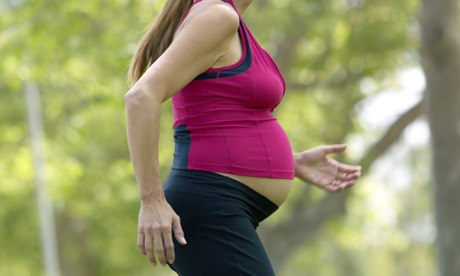
    Pregnant woman

    Pregnant mothers who exercise boost babies' brains, claim researchers (The Guardian): The babies born to mothers who were physically active during pregnancy are found to have more mature cerebral activation as early as 12 days after birth.

    Staying in the Game (WellRounded NY): Thinking of leaving your job once the baby arrives? Here are 3 great tips for staying relevant while out of the workforce.

    BPA may affect sperm quality (Environmental Health News): BPA is a family issue. Men with higher BPA levels were more likely to have poorer sperm quality.

    Extreme Chemical Sensitivity Makes Sufferers Allergic to Life (Discover Magazine): Ever heard of TILT? Interesting article about about chemical sensitivity and the disorders we might develop due to extreme chemical exposure.

    Don’t Ever Apologize for being a Good Parent (Fast Company): Read about this important lesson, as well as more advice from the author for hard-working women.

  • Fight The Itch! 8 Ways To Save Your Skin

    Save your skin! Fight the itch! Dry, itchy skin is a common discomfort among pregnant women.

    There are several things that affect moisture retention and cause the itchiness that most pregnant women experience.

    • stretching of skin caused by weight gain and swelling
    • hormonal changes due to, well, just being pregnant
    • dehydration due to your body demanding more water to account for the increased blood volume

    Most women experience dry, itchy skin around their bellies, but it can also feel that way in other areas where your skin tends to stretch during pregnancy - like around the hips, thighs and breasts. And now comes winter. Dry skin can be especially bothersome during the winter months. Indoor air dries up from heaters. And the cold outdoor winds challenge your skin. So what’s a girl to do?

    Here are our top tips for soothing your dry itchy skin naturally:

    1. Moisturize after the shower. The best time to apply moisturizer to your skin is right after a bath or shower to trap water into your skin.

    2. Moisturize twice a day! We recommend using moisturizer twice daily – in the morning and in the evening.

    3. Use an effective & safe moisturizing cream. When you’re treating your dry skin, you want to make sure that you’re using high performance products that are also healthy, natural and safe. Check product labels for organic and natural butters and plant oils such as cupuaçu butter, mango butter and broccoli seed oil that have powerful moisture retention and healing properties that will keep your skin soft and nourished.

    * Nine Naturals' Unscented Moisturizing Body Cream brings together these three amazing ingredients as well as others to create a deeply moisturizing cream perfect for dry skin before, during and after pregnancy.

    4. Use a humidifier. Is the air in your home feeling dry? A sure sign that the air is getting drier is the static cling you experience in your clothes and your hair! Try replenishing your indoor air with moisture using a humidifier. It can be especially helpful at nighttime in the bedroom. Also consider having a small humidifier in every room, including your office, to help maintain balanced skin moisture.

    5. Avoid harsh soaps. Many soaps, especially soaps containing artificial, chemical based ingredients like sulfates, can strip your skin and hair of its natural oils. Choose gentle body wash and soap during pregnancy using naturally derived, gentle surfactants and a balance of oils and other plant extracts to cleanse and nourish the skin. Nine Naturals Soothing Body Wash uses gentle coconut-derived soaps and omega-rich avocado and olive oils to replenish and heal the skin.

    6. Drink Water! Care and healing for the skin should focus on the things that go in your body as well as on your body. in addition to supporting your skin's health, drinking water will maintain hydration and help promote your energy levels and positive mood.

    7. Care for your growing belly. It’s a beautiful thing to watch your belly grow, but your skin’s doing some hard work! Take time to soothe your belly and other areas where you feel your skin is stretching. Use a belly butter that can moisturize and nourish the skin. Nine Naturals’ 100% plant-based Regenerative Belly Butter works deep within the connective tissue of your skin to moisturize and to minimize the risk of stretch marks.

    8. Go gloves. Go mittens. Thinner than skin elsewhere on your body, your hands' skin does require consistent wintertime protection. This skin also has fewer oil glands, meaning that it's especially prone to dryness, itching, and cracking. Don your fashionable, but warm, gloves or mittens to ward off dry skin.

    8. Don’t forget about your hair. Dry air and hair make for a lot of static and a bad hairdo. Conditioner is your weapon during the winter and you should use it a couple ways. In the shower, conditioner will help moisturize your hair - scalp to tip. After the shower, dab a small bit of conditioner to your tips to help them resist dryness through the day and maintain your hairstyle through the day without the static. Nine Naturals’ Mandarin + Ginger Restorative Conditioner was designed especially with dry hair in mind with nourishing ingredients like Moroccan argan oil, shea butter and macadamia seed oil.

  • Minimizing Toxins While Breastfeeding

    Breastfeeding provides a growing baby with numerous health advantages. Breastmilk’s natural ingredients include protein (whey, casein, and other baby-friendly proteins), fats, vitamins, and lactose, in addition to infection-fighting leukocytes (APA).

    If you are considering breastfeeding, it's a wonderful option. Science Daily, for example, discusses PSTI (pancreatic secretory tripsin inhibitor) which reinforces and strengthens the lining of newborns’ intestines. Leukocytes, which battle illness in babies, also only exist in breastmilk. Nursing could also go so far as to improve baby’s genes in ways that safeguard an infant’s immune system.

    However, it behooves moms and their babies to also understand that healthy nutrients aren’t all that can transfer via breastmilk from mother to baby. What you eat, drink, or use for your bodycare during pregnancy and nursing can contaminate your breastmilk and expose your baby to risk. Florence Williams, acclaimed author of “Breasts,” wrote in a 2005 NYT article about how toxins can transfer from mother to baby via the breastmilk. Women in their child-bearing years may have unknowingly developed a “chemical burden,” or buildup of harmful compounds:

    When we nurse our babies, we feed them not only the fats, sugars and proteins that fire their immune systems, metabolisms and cerebral synapses. We also feed them, albeit in minuscule amounts, paint thinners, dry-cleaning fluids, wood preservatives, toilet deodorizers, cosmetic additives, gasoline byproducts, rocket fuel, termite poisons, fungicides and flame retardants. -Williams

    This should not discourage mothers who wish to breastfeed - but rather should make them more judicious about their exposure to chemical toxins during pregnancy and nursing. What you put into and onto your body counts in the pursuit of a healthy body for both you and your baby. Keep that truth in mind when selecting which products to incorporate into your skincare and haircare regimens.

    Women should look after themselves during nursing as carefully as they do during pregnancy. Here are a few tips to accomplish just that, while avoiding exposure to toxins where possible:

    1. Use chemical-free, natural products. Research and stick to beauty lines such as our very own Nine Naturals.
    2. Read product labels closely. Learn how to recognize variations of harmful chemicals as phthalates and sulfates.
    3. Eat organic. Make organic food choices that optimize your nutrient sources and minimize chemical exposure, like pesticides.
    4. Steer clear of second hand smoke. You obviously know not to smoke at all while pregnant. Research also proves that cigarette and marijuana smoke can subject your infant to risk of SIDS and stunted growth and development.
    5. Avoid synthetic fragrances. They’re riddled with toxins and can enter your body through your respiratory system and through your skin.
    6. Inform your physician of any and all medications. From aspirin to acne cream, even the most innocuous medication can cause harm to your body and your baby’s body while nursing. Have a detailed discussion with your pediatrician and / or obstetrician to go over which meds are safest and which are risky.

    Want to learn more about preparing for breastfeeding? Read our Top 5 Tips on how to Prepare for Breastfeeding and check out our Nine Ways to Reduce Your Toxic Burden During Pregnancy.

    We wish you a wonderful experience with your newborn. As always, we encourage you to keep your body healthy through pregnancy, breastfeeding and beyond. Because taking care of yourself is the best thing you can do for your baby - especially during this special time in the baby's development.

1-10 of 15

Page:
  1. 1
  2. 2