

Posts Tagged ‘Baby Safety’

Greening Your “Clean” Routine! Using Safe Cleaners in the Home

Screen Shot 2013-11-20 at 4.55.52 PM

Think of the last ad you saw featuring a cleaning product - you probably heard promises of tough, grease-fighting powers and magical abilities to make soap scum, dirt and grime disappear.

While we don’t dispute any of those claims, we posit that the price of such disinfecting far supersedes the price on the sticker.

A danger for you, your baby and your family:

According to a report by the EPA, the usage of commonplace household cleaning chemicals can create an indoor environment that is two to five times more polluted than outdoor air. And the indoor air we breathe is far from the full story.

We are further exposed to these chemicals through touch, food and objects in our home. Our skin comes in contact with surfaces with residual chemicals - like a our dining room table or toilet seat. We also are exposed to chemicals through the food that touches those surfaces - like countertops, plates and food containers. Toxic chemicals in the air can absorbed by porous household objects, like furniture, pillows, rugs, clothing and stuffed animals, which prolongs our exposure.

Especially if you are pregnant or have young children at home, the quality of air in your home, where most of your day is spent, is vital to the healthy development of your children.

Think of your laundry detergent, liquid hand soap, dryer sheets and air freshener. All are powerful disinfectants. Here is some information about the chemicals that are both powerful disinfectants and also dangerous for humans – particularly babies in the womb. Some harmful ingredients in common cleaning products are

  • Perchloroethylene or “PERC”: Found in dry cleaning, spot removers and carpet cleaner, PERC is classified by the EPA as a “likely human carcinogen”. Certain states such as California have already taken measures to phase out the use of PERC in cleaners by 2023. The most telltale sign of PERC’s presence is the chemical smell that lingers in your clothing after picking it up from the dry cleaners or in your carpet after a cleaning.
  • Triclosan: Found in “antibacterial” hand soaps and cleaners, triclosan is not currently known to pose any danger to humans; however, according to the FDA, studies involving animals have shown that triclosan alters hormone regulation. Furthermore, the American Medical Association recommends limiting the usage of anti-bacterial hand soaps containing triclosan because it may promote the growth of drug-resistant bacteria.
  • Ammonia: Because of its ability to keep windows and glass surfaces streak free, ammonia is a frequently used ingredient in surface cleaners. Ammonia emits a strong, distinct chemical smell that is corrosive and irritating to people who inhale it. If you must use ammonia, use it in well-ventilated areas, as inhalation of ammonia fumes in high concentrations may cause respiratory distress or failure. Parents with young children should be extra cautious when they use ammonia-based cleaners, as children have less lung capacity than adults and could more quickly succumb to the potential harmful effects of ammonia fumes.
  • Sodium Hydroxide: It’s found commonly in oven cleaners and drain openers. Also known as lye, sodium hydroxide is a heavily corrosive compound and can cause severe chemical burns to the skin and eyes if exposed. If inhaled, sodium hydroxide may cause a sore throat.
  • Synthetic Fragrance: Many cleaning supplies contain synthetic fragrances to mask the chemical smell of the product itself. The fragrances added to these cleaning supplies, much like fragrances found in cosmetics, contain allergens and phthalates. The presence of synthetic fragrances may potentially cause respiratory problems for individuals with asthma or allergies or contribute to serious health problems in the long term, such as cancer or reproductive difficulties. And “fragrance” is only one of the many potentially harmful ingredients found on the labels of cleaning products.

A danger to the environment:

The environmental impact of using conventional cleaning products is no more cheery than that of its affects on humans. Phosphorus, nitrogen, ammonia—all common ingredients found in commercial household cleaners—are listed by the Environmental Protection Agency as volatile organic compounds and as the worst environmental hazardous ingredients. After being rinsed down the drain or toilet bowl and traveling through miles of pipes, the chemicals resurface in bodies of water where they end up harming the aquatic wildlife, reducing the quality of water and contribute to local pollution.

Greening your cleaning routine!

So up until this point if you’ve “greened” your skincare regimen, your makeup routine, and your diet, that’s great news! And now it’s finally time to start on greening your cleaning routine.

Here are some tips!

  • Look for eco-friendly commercial cleaners. Look for cleaning supplies that have plant-based ingredients.Nine Naturals supports Dapple, Seventh Generation, Bon Ami, Earth Friendly Products, PlanetInc, Dr. Bronner’s, Nature Clean & Eco-Me.
  • Avoid fragrances. Unless they’re derived from plant-based sources, avoid them. More often than not, the term “fragrance” will encompass phthalates. As we mentioned, synthetic fragrances may cause irritation to those with allergies and sensitivities. Look for fragrance free cleaners to take out the possibilities of you, or someone you love, suffering from
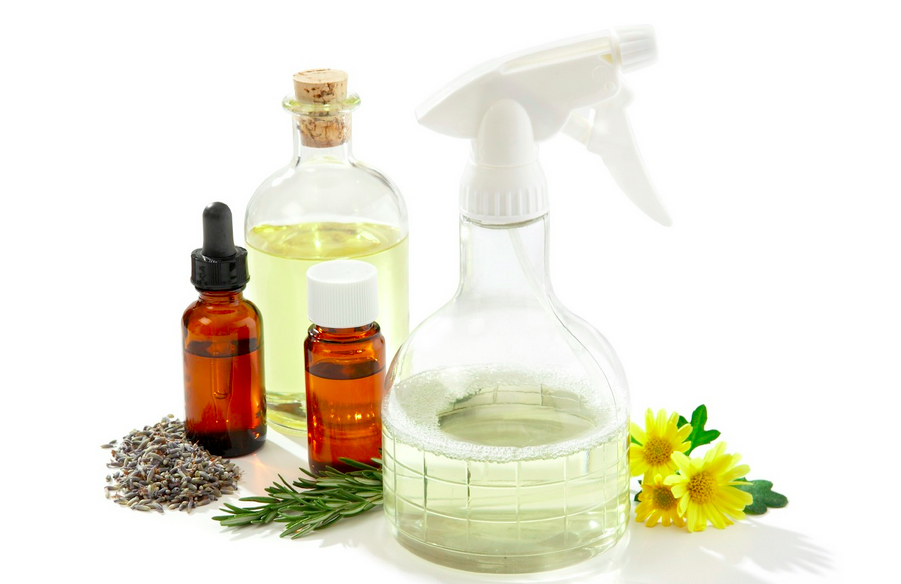
  • DIY! Your cabinets probably already have the ingredients to make much safer, and more environmentally friendly cleaning products. Checkout The Daily Green’s list of Green Cleaning Recipes!
    • Use vinegar to your advantage. It works wonders not only in your food but also as a multipurpose household cleaner. Vinegar works as a glass cleaner, toilet bowl cleaner and stain remover. (Look here on how to prepare the vinegar.) Plus, it’s inexpensive—you can buy it in bulk at the supermarket for cheap.
    • Baking soda is an effective alternative cleaner. On a segment with the TODAY show, environmentalist Deridre Imus recommended practical green cleaning solutions, one of which was to sprinkle one’s carpeting with baking soda to prevent mold and curb bacteria growth.
    • Lemon juice battles tough stains. Use lemon juice to clean off tough water stains on your shower doors and chrome. You can also scrub your pots and pans with lemon for a nice, green clean.

If you are unsure about the “greenness” of your cleaning products, visit EWG’s Guide to Healthy Cleaning Products.
Healthy Child Healthy World: The Nonprofit Every Health-Conscious Parent Should Know


Screen Shot 2013-11-05 at 1.42.32 PM

We created Nine Naturals to empower moms and moms-to-be in their consumer choices. Central to our mission is not only to create amazing beauty products that you’ll love, but also to provide you with educational tools to make it easier to create a safer environment for you and your family.

That’s why Nine Naturals is a proud supporter of the non-profit, Healthy Child Healthy World.

Healthy Child Healthy World’s vision is a world where every child has the opportunity to grow up in a healthy and safe environment. By working with manufacturers and supporting policy initiatives, Healthy Child Healthy World provides access to critical information that encourages smarter lifestyle choices that reduce chemical exposure in homes and communities. Since our own launch, Nine Naturals has partnered with Healthy Child; we support and are grateful for their tireless work to create a healthy environment for children.

Why they do it.

James and Nancy Chuda launched Health Child Healthy World in honor of their daughter Colette, who was diagnosed with a rare, non-hereditary cancer at the young age of four years old and eventually passed away from the disease. Through their research they learned that a possible cause of their daughter’s cancer was maternal exposure to chemical pesticides. Healthy Child Healthy World celebrates Colette’s memory and helps to prevent other children from suffering the effects of unnecessary chemical exposure.

How they do it.

Healthy Child focuses on three channels to execute on their mission:

Empowering Parents

Healthy Child’s website provides practical ways to reduce chemical exposure in your home. They have developed an “Easy Steps” series to guide parents in finding safe baby formula, improving indoor air quality, and using environment-healthy alternatives to dry cleaning.

The nonprofit also assembles inspiring Moms on a Mission and Parent Ambassadors, arguably just as important as Healthy Child’s science gurus in spreading awareness on chemical safety and environmental concern. Celebrity supporters like Laila Ali and Molly Sims proudly support Healthy Child’s causes as well.

Influencing Policy

For over 20 years, Healthy Child has worked to influence policy that better protects our children’s health. Healthy Child partners with manufacturers and policymakers to shed light on issues like corporate accountability, legal and regulatory reform, and greater chemical and product safety.

Promoting Solutions

Healthy Child helps to identify safer alternatives to toxic products, work with responsible companies to create and promote those alternatives and pressure industry giants to follow suit. Nine Naturals is proud to be a Shop Healthy partner of Healthy Child Healthy World. Our haircare and skincare line prioritizes chemical-free safety above all, a flagship shared with Healthy Child Healthy World.

Watch Healthy Child’s “Wake-Up Story” below and check out Healthy Child’s page today.


Things We’ve Read – Week of October 6th

Screen Shot 2013-10-13 at 11.47.56 AM

You’re a Stay-At-Home Mom? What do you DO all day? (The Matt Walsh Blog): A husband defends the value of the work that mothers do in caring for their families.

Breakthroughs in Screening (NYTimes): A new minimally invasive prenatal test yields extremely accurate results using fetal genetic fragments found in the mother’s blood

To Medicate or Not Medicate (The Huffington Post): For moms-to-be managing anxiety/depression medication (or non-medication) during pregnancy, this article offers 6 helpful cognitive-behavioral therapy tools.

After the I.V.F., the Wait (NYTimes): Amy Klein describes the two week wait after her first IVF.

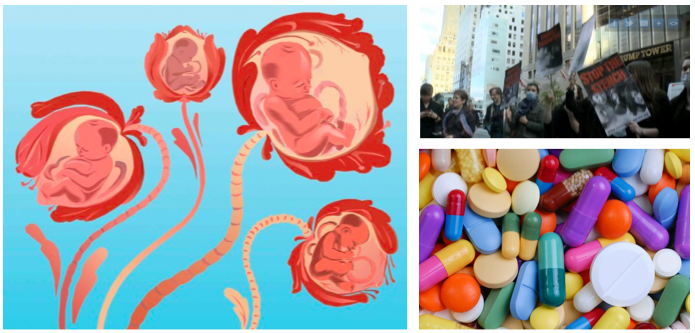
Sean Penn Film ‘Human Experiment’ Explores Potential Dangers of Toxic Chemicals in Household Products (ABC NEWS): In his new filmm Sean Penn is taking on the risk of exposures to environmental toxins in what were once considered innocuous.

Creating a Green Nursery … a Healthy Space for your Newborn!

Screen Shot 2013-10-09 at 3.00.41 PM

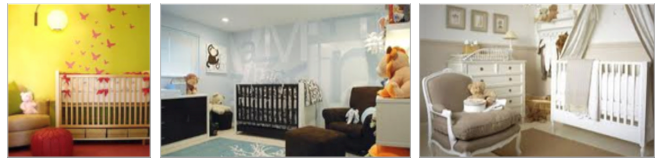
Every mom wants to create a beautiful nursery for her new baby. It’s one of the first physical gifts we as parents give our child and we want it to be as much a manifestation of adoration as four walls can muster.
We at Nine Naturals know the feeling. We also want to help new parents create a nursery that is as safe as it is stylish.
Make it organic? Sure, but let’s be more specific. Setting up a green nursery is not just about following the organic trend. It’s a way of helping to ensure your baby’s health and well-being in his or her earliest years.
Nine Naturals’ recommendations for a truly green and safe nursery:
  1. Keep the room ventilated! An unseen threat to a green nursery is the presence of VOCs, or volatile organic compounds, which are released (or “off-gassed”) by thousands of products. These compounds are used to help paint spread and eventually dry. VOCs pose long-term risks to human health and the environment. And although VOCs are everywhere, it’s indoor air that tends to have higher concentrations of VOCs. Remember to avoid VOCs at all costs, especially in your little one’s new room.
  2. Avoid exposure to harsh fumes that can emerge from traditional paints and lack of air flow. Avoid major home renovations during pregnancy, which can increase chemical exposures, or try to avoid being in the house during the work. Purchase no-VOC paints, and ensure that the future nursery has excellent ventilation — particularly while it’s being painted.
  3. If you must use carpets, be very, very picky. Carpets can serve as home to allergens and dust mites. Further, many synthetic carpets are made with latex backings, and these backings as well as the adhesive used to affix them to floors can release VOCs by “off-gassing.” Looking for an alternative? Try a rug made of natural fibers like wool or cotton that does not come with a synthetic backing.
  4. Buy toys made from natural materials. Ensure that all of your baby’s toys are nontoxic, non-PVC, non-BPA and non-phthalate. In other words, look for toys made of natural materials such as wood or silicone. Before you know it, your baby will be sucking and teething on everything in sight. PVCs can leach harmful phthalates, and BPA (bisphenol-A) can also impact your baby’s long-term well being. We prefer toys made from organic cotton and sustainable wood. Check out Plan Toys for some great options.
  5. Choose organic or natural fiber bedding. Why? Your baby is going to spend a large part of his or her early years sleeping in a crib. Most crib mattresses on the market contain toxic chemical fire retardants, which have been associated with many health issues. Organic cotton, natural wool, or bamboo mattresses and bedding are friendly to both the environment and your baby’s skin. We like brands like Nook and Naturepedic.
  6. Purchase a crib and baby furniture sourced from certified sustainable or reclaimable materials. Ideal furniture pieces also completely avoid the use of VOC’s and formaldehyde – not only in their wood, but also in their paint, glue, and or resin. Take a look at beautiful designs from Oeuf and Duc Duc or for a cheaper alternative, consider Ikea.
  7. Opt for all-natural, nontoxic, and chemical-free cleaning supplies to maintain a tidy green nursery. You should be able to read and understand, simply from the label, every single ingredient that your cleaning products contain. Green products are environmentally sustainable and their ingredients are safe for your baby to touch or inhale. Our founder Grace uses Dapple in her daughter’s nursery.
  8. The same principles apply to other baby needs like clothing and diapers. You spent nine months making a natural environment for your growing baby in the womb - keep it up in their nursery!

What tips would you add to our list for the ideal green nursery?

How to Properly Secure Your Baby in a Car Seat: The 5 Videos Every Parent Should Watch To Keep Their Baby Safe in the Car

Screen_Shot_2013_09_22_at_7.57.46_PM

If you’ve ever sat down to try and read a car seat manual, you’ll easily understand the value of videos that will not only demonstrate how best to use a car seat but also synthesize the most important information that parents should know.

The Car Seat Lady, Alisa Baer, shared with us five videos to answer the most asked questions by expecting and new parents.

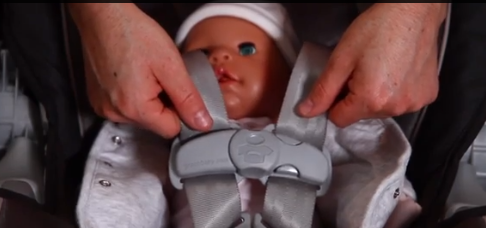
How to Properly Buckle Your Baby into the Car Seat
This video provides instructions on how to secure the baby properly into the car seat, including making sure that the baby isn’t slumping and tricks to properly tighten the car seat straps. Have you ever wondered how to know if the straps are tight enough? Or what the correct position is for the chest clip? (If you don’t know what a chest clip is, you definitely should watch this video!)

Tricks to Calm the Baby Once They’re Buckled In and Ensuring that Your Baby’s Head is Properly Positioned
A lot of babies will fuss when you put them in the car seat. Did you know you can swaddle the baby OVER the straps? Great tips from the Car Seat Lady to help soothe your baby in the car seat, without interfering with the safety functions of the car seat.

How to Use Car Seat Padding and Inserts
Your car seat may come with padding and inserts. Do you need to use these to ensure the baby is safe? Could these padding and inserts actually impede the proper positioning of the baby in the car seat? This video explains when to use and NOT to use car seat accessories.

Car Seat Accessories: What’s OK and What’s Not
Think twice when you buy cute pillows, fleece bunting blankets or other accessories that are sold separately from the car seat. Did you know that these accessories are not crash-tested for safety?

Want to learn the most important things to look for in a car seat and The Car Seat Lady’s top 3 picks for infant car seats? See her feature on our blog, How to Choose A Car Seat.

Alisa is a NYC pediatrician and nationally certified child passenger safety instructor best known as The Car Seat Lady. With 15 years experience as The Car Seat Lady, she has helped families install more than 10,000 car seats. Follow her on Facebook and on her blog!