Ingredient Story

  • Nine Naturals Ingredient Story: Calophyllum Inophyllum (Tamanu) Oil

    At Nine Naturals, we’re on a mission to make beauty simple, smart and safe for moms and moms-to-be. Integral to that is understanding our ingredients’ science and benefits. Today’s Nine Naturals Ingredient Story, featuring Tamanu Oil, is part of an ongoing series featuring the natural, plant-based ingredients behind our high-performance beauty products.

    Extracted from the nut of the Calophyllum Inophyllum (Tamanu) tree—deemed sacred by Polynesian natives—tamanu oil helps to heal wounds and promote the generation of new tissue—a process known as cicatrization. Predominantly used to naturally combat skincare issues, including acne, anti-aging and scaring, tamanu oil is also considered a powerful first aid remedy for use on burns, cuts, insect bites, and blisters.

    The Science and Extraction of Tamanu Oil

    Cold pressed from the sun-dried nut of the yellow-skinned fruit of the Calophyllum Inophyllum (Tamanu) tree, which is indigenous to Southeast Asia—but profuse in East Africa, South India, Sri Lanka, and the Melanesian and Polynesian islands—this dark green, fragrant oil is unrefined and rich. Tamanu oil has been researched since the early 1900s for its many skin benefits. It contains many lipids and fatty acids, that are also found in the protective cell membrane and the intercellular matrix that holds layers of skin cells together. The three most abundant fatty acids in tamanu oil have unique, beneficial properties. Linoleic acid is quick-drying and acts as an anti-inflammatory. Oleic acid is rich, locking in extra moisture. Stearic acid helps water and oil mix to prevent all the many fatty acids in Tamanu oil from separating, create a smoother application without the need to shake.

    Tamanu Oil's Benefits for Skin and Hair Care

    Tamanu oil has a high capacity for absorption, making it an ideal skin and hair conditioner. Cold weather, indoor forced heat, and an ever-growing bump can leave your skin itchy and flaky, so rub pure tamanu oil—or a natural product that features the oil—into your epidermis to calm the irritation. To remedy damaged hair and promote healthy hair growth, apply tamanu oil to your roots before bedtime to allow the fatty-acid laden natural elixir to deeply penetrate each follicle down to the hair bulb, and then simply cleanse in the morning with a gentle shampoo.

    Why Nine Naturals Loves Tamanu Seed Oil

    Tamanu oil's moisturizing and healing properties make it a star ingredient in our skincare line. Reap its full range of benefits in our luxurious Natural Belly Oil. Its fast-absorbing formula, which also includes coconut oil, jojoba seed oil, and vitamin E, moisturizes and calms irritation without leaving skin feeling greasy.

    RELATED POSTS

  • Nine Naturals Ingredient Story: Brassica Oleracea Italica (Broccoli) Seed Oil

    At Nine Naturals, we’re on a mission to make beauty simple, smart and safe for moms and moms-to-be. Integral to that is understanding our ingredients’ science and benefits. Today’s Nine Naturals Ingredient Story featuring Broccoli Seed Oil is part of an ongoing series featuring the natural, plant-based ingredients behind our high performance beauty products.

    Broccoli Seed oil, pressed from the seeds of the broccoli plant—yes, the cruciferous vegetable you enjoy with your dinner—has recently gained popularity in the cosmetics and personal care industries as a wonderful emollient and natural alternative to silicones. Siloxanes appear in most mainstream skincare, sunscreen, and deodorant products but have been repeatedly flagged as endocrine inhibitors and bioaccumulative toxins. In lab experiments, they have been shown to harm the nervous, immune and reproductive systems, even causing uterine tumors. Silicones may interfere with hormone balances, too, which can negatively impact fertility. Because they can build up in your system over time, it's crucial to protect yourself from these toxins, especially before and during pregnancy.

    The Science and Extraction of Broccoli Seed Oil

    Cold pressed from the seeds of the Brassica Oleracea Italica plant, this pale green oil is pure, extra virgin, unrefined, and boasts natural oxidative stability thanks to its rich fatty acid profile. It gushes with erucic acid—itself loaded with healthy omega 9's.The oil's unique combination of essential fatty acids and powerful antioxidants makes it ideal in natural skincare and haircare, where it functions much like synthetic silicones—moisturizing, protecting and stabilizing—without interfering with your body's natural hormone balances or harming your reproductive health. What's more, broccoli seed oil offers additional benefits, many of which are still being discovered; not only does this natural marvel nourish and soothe skin and hair, but studies indicate it contains cancer-fighting properties as well.

    Broccoli Seed Oil's Benefits for Skin and Hair Care

    Broccoli seed oil is a naturally anti-inflammatory, as well as highly emollient without being greasy, making it an ideal, deep moisturizer for skin and hair. Its quick penetrating properties hydrate skin, and provide lasting free-radical damage protection. The oil's erucic acid content beautifully replaces (and outshines) silicones in shampoos and conditioners, imparting lasting sheen and luster to hair without leaving a greasy feeling behind.

    Why Nine Naturals Loves Broccoli Seed Oil
    Broccoli Seed Oil's natural stability and powerful moisturizing and protective properties make it an ideal product in our skincare and haircare lines. Reap its full range of benefits in our Vanilla + Geranium Regenerative Belly Butter, Unscented Moisturizing Body Cream, Citrus + Mint Nourishing Conditioner and Mandarin + Ginger Restorative Conditioner.

  • Nine Naturals Ingredient Story: Jojoba (Simmondsia Chinensis) Seed Oil

    At Nine Naturals, we’re on a mission to make beauty simple, smart and safe for moms and moms-to-be. Integral to that is understanding our ingredients’ science and benefits. Today’s Nine Naturals Ingredient Story featuring Jojoba Seed Oil is part of an ongoing series featuring the natural, plant-based ingredients behind our high performance beauty products.

    Jojoba (Simmondsia Chinensis) Seed oil is a relatively recent discovery in the cosmetics world. Native to the southwestern United States, Mexico and parts of Africa, Jojoba seed oil became popular as an ethical and sustainable alternative to whale oils in the 1970s. In fact this rich, natural oil proved superior to animal derived alternatives – particularly because of its significant cosmetic benefits for skin and hair.

    The Science & Extraction of Jojoba Seed Oil

    Jojoba seed oil is extracted by pressing the dried seeds harvested from the fruit of the jojoba tree. This process yields over 50% of the weight of the seed as a waxy mixture mainly made of single chain fatty acids. Because the resulting Jojoba seed oil doesn’t contain any triglycerides it has a very long shelf life making it an ideal ingredient for cosmetics. The single chain fatty acids in Jojoba seed oil also mimic natural skin oils, which is what makes Jojoba oil an effective moisturizer and why it helps to balance your skin’s oil production naturally. In addition, Jojoba seed oil contains large amounts of vitamin E so it not only moisturizes, but also promotes skin health.

    Jojoba Seed Oil’s Benefits for Skin and Hair Care

    Jojoba seed oil is a powerful moisturizing agent for both skin and hair, but that’s not all. Jojoba seed oil is also promising acne treatment and has anti-inflammatory and skin healing properties. On top of this Jojoba oil provides some natural UV protection and can help reduce photoaging.

    Why Nine Naturals Loves Jojoba Seed Oil

    The combination of Jojoba seed oil’s versatile moisturizing power and its additional protective and antioxidant properties make it an ideal natural cosmetic ingredient. At Nine Naturals we’ve used it in a host of our high performance beauty products. Our Citrus + Mint Nourishing Shampoo & Conditioner, Mandarin + Ginger Restorative Conditioner, and Natural Belly Oil all take advantage of its potent moisturizing properties, while our Repairing Body Balm and Natural Sunscreen – in addition to moisturizing – incorporate the Jojoba oil’s healing and protective properties. To learn more about all our natural ingredients check out our Ingredient Glossary.

  • Ingredient Story: Aloe Barbadensis Leaf Extract

    At Nine Naturals, we’re on a mission to make beauty simple, smart and safe for moms and moms-to-be. Integral to that is understanding our ingredients’ science and benefits. Today’s Nine Naturals Ingredient Story Series featuring Aloe Barbadensis Leaf Extract is part of an ongoing series featuring the natural, plant-based ingredients behind our high performance beauty products.

    Aloe barbadensis, more commonly known as Aloe vera, has been used for medicinal and cosmetic purposes as far back as 4th century BC. In fact, historians have suggested that it was once a part of the beauty routines of Egyptian royalty. Today the extract of aloe barbadensis is widely used therapeutically to treat various skin conditions and cosmetically as a moisturizer for skin and hair.

    The Science & Extraction of Aloe Barbadensis

    Extracting the pulp from the aloe barbandensis plant simply entails separating the gelatinous inner material of the leaf from the outer husk. Once separated the extract can be concentrated to increase the potency and dried to allow for long term storage. That said, the gel extracted from Aloe leaves can actually be used for many applications even in its crude form. This aloe extract has a number of active ingredients that contribute to its effectiveness. For instance it contains vitamin E and salicylic acid, both of which are commonly used in acne washes. Aloe extract also includes an array of poly-saccharides that play a role in healing and have anti-inflammatory properties.

    Aloe Barbadensis Leaf Extract’s Benefits for Skin and Hair Care

    Aloe barbadensis extract is one of the few moisturizing agents on the market that has been scientifically proven to be effective. This is why it’s so well suited to use in both conditioners and lotions. Aloe extract not only moisturizes, but also reduces skin irritation and erythema. Additionally, a recent clinical trial showed that topical application of aloe extract significantly increased the effectiveness of acne treatments. As if that wasn’t enough, aloe barbadensis extract has also been shown to help with skin repair during wound healing.

    We would like to note that while topical use of aloe extract is a safe and effective, oral consumption should be avoided during pregnancy and while breastfeeding because of potential complications with contractions and infant gastrointestinal distress respectively.

    Why Nine Naturals Loves Aloe Barbadensis Leaf Extract

    Cosmetic use of Aloe barbadensis is both pregnancy-safe and highly effective, which is why we’ve made it a star ingredient in many of our products. We’ve taken advantage of its moisturizing properties in our conditioner and body cream, its acne fighting activity in our bodywash, and its ability to speed healing in our regenerative belly butter cream. Although aloe barbadensis extract does so much on its own, it is just one component of these products and you can learn more about all our great ingredients in our Ingredient Glossary.

  • Top Cosmetic Chemicals To Avoid During Pregnancy

    A dash of makeup can be the perfect pick-me-up when you're pregnant, but are the products you're using safe for you and your baby? Women who use makeup daily absorb about five pounds of cosmetics through their skin every year, so it's a good idea to make sure women know what they're using. A growing number of studies raise concerns about the potential cancer-causing and hormone-disrupting effects of the most common chemicals in cosmetics and their effects on developing fetuses.

    Using Nine Naturals pregnancy safe haircare and bodycare products is an easy way to cut these chemicals out of your beauty regimen! To help you avoid these worrisome chemicals in your makeup too we've rounded up a list of the worst offenders.

    Parabens

    1. What Are They: Parabens are the most widely used preservative in cosmetics, intended to stop the growth of bacteria in your products. An estimated 75-90% of cosmetics contain them in low doses, but they build up in your body over time and with frequency of use. Parabens are endrocrine disruptors (chemicals that act like hormones and disrupt the reproductive system) and may cause reproductive disorders in babies as well.
    2. How To Spot On Labels: Parabens are listed with a prefixes such as propyl-, isopropyl-, butyl-, methyl-, ethyl- and isobutylparabens. Parabens are also lumped under the vague term fragrance as well (see below).
    3. Common Products: Make-up, moisturizers, hair care and shaving products.

    Phthalates

    1. What Are They: Phthalates are a common chemical plasticizer used as preservatives and fragrance-enhancers in over 72% of beauty products. Phthalates are considered a probable carcinogen by the World Health Organization and the U.S. Environmental Protection Agency.
    2. How To Spot On Labels: Phthalates are hard to identify, but look in ingredient lists for phthalates listed as DBP (di-n-butyl phthalate), DEP (diethyl phthalate) and fragrance/parfum.
    3. Common Products: Nail polishes, deodorants, perfumes and cologne, aftershave lotions, shampoos, hair gels and hand lotions.

    Fragrance/Parfum

    1. What Are They: Scents added to products. To protect trade secrets, companies are permitted by the FDA to withhold fragrance ingredients, so consumers can’t rely on labels to know what hazardous chemicals comprise these "fragrance" or "parfum" ingredients.
    2. How To Spot On Labels: Easy to spot, check ingredient lists for the terms fragrance or parfum.
    3. Common Products: Fragrance is in almost all personal care products, including cosmetics, skin care, hair care, deodorant, and more.

    1,4-Dioxane (can be listed as itself or included in PEG Compounds)

    1. What Are They: A chemical carcinogen, 1,4-dioxane is created when ingredients are processed with petroleum-derived ethylene oxide.
    2. How To Spot: Avoid products with the following ingredients: sulfates, myreth, oleth, laureth, ceteareth (or any other -eth), polyethylene, polyethylene glycol (or PEG), polyoxyethylene, or oxynol, or phenoxyethanol.
    3. Common Products: Products that create suds (such as shampoo, liquid soap, bubble bath), hair relaxers, others.

    PEG & PPG Compounds

    1. What Are They: PEGs (polyethylene glycols) are petroleum-based compounds that are widely used in cosmetics as thickeners, solvents, softeners, and moisture-carriers, commonly used as cosmetic cream bases. They also often contain the carcinogenic compound 1,4-dioxane (see above).
    2. How To Spot: Look for ingredients such as PEG, PPG, polyethylene, polyethylene glycol, polyoxyethylene, or oxynol, phenoxyethanol, myreth, oleth, laureth, ceteareth
    3. Common Products: Cream bases, foundations, moisturizers, hair products.

    Coal Tar Dyes

    1. What Are They: The most common synthetic colors in cosmetics and hair dye are made from coal tar. P-phenylenediamine is a particular coal tar dye used in many hair dyes. Darker hair dyes tend to contain more phenylenediamine than lighter hair dyes.
    2. How To Spot: Coal tar dyes will be labeled as FD&C or D&C, followed by a color (C.I) and a 5-digit number, such as CI 75000. Also look for aminophenol, diaminobenzene, phenylenediamine.
    3. Common Products: Lipstick, eye shadows, and any brightly colored cosmetics.

    Petroleum & Petroleum Distillates

    1. What Are They: Petroleum, aka crude oil, and its derivatives are in many of the cosmetic products we use every day. Mineral oil, petroleum jelly, and petrolatum are all common by-products and are all fossil-fuel-derived substances that make their way onto our medicine cabinet shelves.
    2. How To Spot: Look for ingredients such as Petroleum, petrolatum, mineral oil, petroleum oil jelly, propylene glycol, and isopropyl alcohol as well as Fragrance/Parfum (see above).
    3. Common Products: Lip gloss, lipsticks, foundations, mascaras, moisturizers, cleansers, shampoos, and hidden in Fragrance/Parfum in many others.

    DMDM Hydantoin & Bronopol

    1. What Are They: DMDM Hydantoin & Bronopol are cosmetics preservatives that decompose and release formaldehyde, which the International Agency on Research on Cancer lists as a known human carcinogen. Other applications of formaldehyde include production of resins used in wood products, vinyl flooring and other plastics, permanent-press fabric, and toilet bowl cleaners.
    2. How To Spot: Look for DMDM hydantoin, diazolidinyl urea, imidazolidinyl urea, methenamine, quarternium-15, sodium hydroxymethylglycinate.
    3. Common Products: Makeup bases, foundations, moisturizers, shampoos, hair conditioners, skin care products, moisturizers, bath products.

    Siloxanes

    1. What Are They: These silicone-based compounds are used in cosmetics to soften, smooth, and moisten. Siloxanes are classified as endocrine-disruptors and potential reproductive toxicants.
    2. How To Spot: Look for ingredients ending in "-siloxane" or "-methicone."
    3. Common Products: Lipsticks, lotions, hair care products.

    DEA-Related Ingredients

    1. What Are They: DEA (diethanolamine) and DEA-compounds are used to make cosmetics creamy or sudsy. Since one form of DEA (cocamide DEA) is mixed with coconut oil, some brands claim it's a "natural ingredient," but it is not. DEA is also used in oil refineries to "scrub" hydrogen sulphide from process gas emissions.
    2. How To Spot: Look for DEA (diethanolamine), cocamide DEA, lauramide DEA, MEA (monoethanolamide) and TEA (triethanolamine), coco diethanolamide, coconut oil amide of diethanolamine, lauramide DEA, lauric diethanolamide, lauroyl diethanolamide, and lauryl diethanolamide.
    3. Common Products: DEA is mainly found in creamy foundations, moisturizers, sunscreens. Cocamide and lauramide DEA are found in soaps, cleansers, and shampoos.

    Retinyl Palmitate & Retinol (Vitamin A)

    1. What Are They: These powerful substances, found in some antiaging moisturizers, are lauded for helping reduce wrinkles and improve skin tone. Excessive amounts of Vitamin A can cause severe birth defects if women are exposed during pregnancy. New evidence shows that when applied to sun-exposed skin, these compounds can break down and produce free radicals that can damage DNA and cause skin cancer.
    2. How To Spot: Scan labels for Retinyl palmitate and Retinol.
    3. Common Products: Lip products, foundations, daytime moisturizers, sunscreens.

    To look-up the safety of specific products, the Environmental Working Group's Skin Deep cosmetics guide is an invaluable resource.

  • Nine Naturals Ingredient Story: Persea Gratissima (Avocado) Oil

    At Nine Naturals, we’re on a mission to make beauty simple, smart and safe for moms and moms-to-be. Integral to that is understanding our ingredients’ science and benefits. Today’s Nine Naturals Ingredient Story Series featuring Persea Gratissima (Avocado) Oil is part of on ongoing series featuring the natural, plant-based ingredients behind our high performance beauty products.

    It’s an underappreciated fact that the healthy oils responsible for an avocado’s rich flavor can also be harnessed to impart some of that richness to your skin. Similar to olive oil, but containing a different profile of fatty acids, avocado oil is particularly useful in cosmetics for its moisturizing and soothing properties.

    The Science & Extraction of Avocado Oil

    Avocado oil is extracted from the fruit of the plant (rather than the seed), which can yield up to 35% of its weight in oil. Once the meat of the fruit has been separated from the skin and seed, it is dried and crushed into a paste. The final step in the extraction process is to separate the oil from the water by centrifugation, producing a brilliant green oil.

    The green color is due to high amounts of carotenoids and chlorophyll in the purified oil. Avocado oil is also quite rich in vitamin E, particularly the alpha-tocopherol form which is preferentially absorbed by our bodies. As for the oil itself, it’s mainly comprised of moisturizing monounsaturated fats with small amounts of polyunsaturated and saturated fats rounding it out.

    Avocado Oil‘s Benefits for Skin

    Avocado oil has many benefits for skin health which is why it’s such a star ingredient in beauty products. The fatty acids moisturize by helping your skin retain water and have anti-inflammatory properties benefitting both dry and irritated skin that usually comes with pregnancy. Vitamin E is also present in large amounts in the oil, working to promote skin healing and regrowth and helping to minimize stretch marks. Oleic acid, the primary fatty acid in avocado oil, helps the skin to absorb the oil, which amplifies the potential benefits of all its other beneficial ingredients!

    Why Nine Naturals Loves Avocado Oil

    Avocado oil is packed with great active ingredients that Nine Naturals loves. Given avocado oil's dual benefits for skin care as a moisturizer and a promoter of healing, it's included in our Citrus + Geranium Soothing Body Wash. It's part of a moisturizing formulation that keeps our body wash gentle enough for daily use, even on sensitive skin. Avocado oil couldn’t do it alone though, and you can learn more about all our ingredients in our Ingredient Glossary.

  • Nine Naturals Ingredient Story: Mongongo Oil

    At Nine Naturals, we’re on a mission to make beauty simple, smart and safe for moms and moms-to-be. Integral to that is understanding our ingredients’ science and benefits. Today’s Nine Naturals Ingredient Story about mongongo oil is part of an ongoing series featuring the natural ingredients behind our high performance beauty products.

    Mongongo oil, also known as manketti oil, is a rich, versatile ingredient. It has been used for centuries by the !kung people of the Kalahari desert as a dietary staple and to protect skin from the harsh climate of the region. While the southern African mongongo trade remains active to this day, mongongo oil is now also recognized worldwide for its protective and moisturizing effects on hair and skin.

    The Science & Extraction of Mongongo Oil

    Mongongo oil is extracted from the nut of the tree Ricinodendron rautanenii using a cold press technique. The nut is first separated from the pulp of the fruit in which it grows and then subjected to intense pressure. A traditional hand press can yield up to 28% of the nut’s weight as oil while a modern hydraulic press approaches a 40% yield. Mongongo oil is rich in moisturizing poly-unsaturated fatty acids, in particular linoleic acid. It also contains extremely high concentrations of vitamin E in the form of γ-tocopherol. The tocopherol has the interesting and useful property of stabilizing the oil, acting as a natural preservative for many months.

    Mongongo Oil’s Benefits for Hair and Skin Care

    Mongongo oil packs a powerful combination of moisturizing and protecting skin and hair. In addition to linoleic acid, mongongo oil contains a number of other fatty acids that blend to make a potent cocktail that both hydrates and aids in repair.

    Why Nine Naturals Loves Mongongo Oil

    What's not to love about a nutrient-rich ingredient that works to both moisturize and repair skin? Given this it should be no surprise that Mongongo Oil is one of the key ingredients in our Repairing Body Balm. In fact, the ingredient is so effective that it creates a truly versatile product that you can use in many different ways! We hold all of our ingredients to this high standard, and you can learn more about the others by checking out our ingredient glossary.

  • Nine Naturals Ingredient Story: Non-Nano Zinc Oxide

    At Nine Naturals, we’re on a mission to make beauty simple, smart and safe for moms and moms-to-be. Integral to that is understanding our ingredients’ science and benefits. Today’s Nine Naturals Ingredient Story about Non-Nano Zinc Oxide is part of on ongoing series featuring the natural ingredients behind our high performance beauty products.

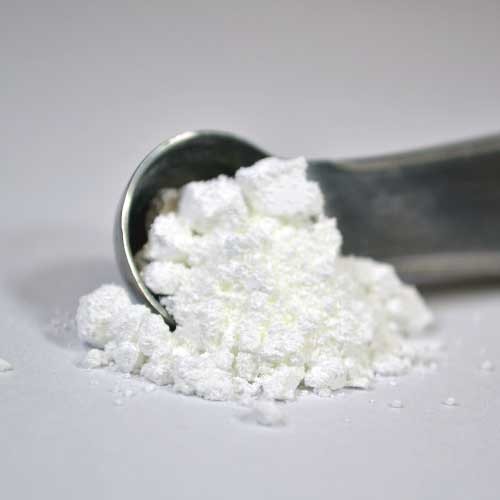
    While zinc oxide may conjure images of white-nosed lifeguards from another era, it’s actually an incredibly versatile and widely used ingredient to this day. In the beauty world, there has been a recent resurgence in the use of zinc oxide. It has proven both safer and more effective than many alternatives making it an ideal ingredient for sunscreens, deodorants and a host of other products.

    The Science & Extraction of Zinc Oxide

    Zinc oxide is a highly stable substance that occurs naturally as the mineral zincite. Most commercial zinc oxide is produced through a roasting process that converts more commonly found zinc minerals into zinc oxide. This process works by boiling the zinc and allowing it to mix with oxygen in the air to form zinc oxide powder.

    Zinc oxide doesn’t significantly dissolve in water, break down in sunlight, or react with skin – all of which contribute to its overall safety. Zinc oxide has the ability to reflect light away from your skin, which makes it an effective ingredient in sunscreens. It also has antibacterial and astringent (skin tightening) properties and is used in baby diaper rash creams and deodorants for these reasons.

    Non-Nano Zinc Oxide’s Benefits for Sun and Odor Protection

    Non-nano zinc oxide ensures that you get all the benefits of zinc oxide in the safest form possible. The terms "nano" and "non-nano" refer to the particle size of the ingredient. Nanoparticle sized ingredients have the potential to be absorbed through the skin at a much higher rate than non-nanoparticle sized ingredients. In contrast, “non-nano” particles sit on top of the skin but are not small enough to be absorbed or passed through the skin. Preliminary scientific research has shown that many types of nanoparticles can be toxic to human tissue and cell cultures, can penetrate cell walls, including organ tissues, and are known to be highly reactive. Given the uncertainty regarding the safety of nanoparticle sized ingredients, expecting mothers should avoid them.

    In sunscreens non-nano zinc oxide is particularly beneficial because it provides broad-spectrum protection, blocking both UVA and UVB rays and is safer than chemical alternatives like oxybenzone. Non-nano zinc oxide is also a natural and pregnancy safe odor solution and thus scores double points for usefulness. In both these cases though, it’s the non-nano property that ensures the zinc oxide stays on the surface of the skin providing safer and longer lasting protection.

    Why Nine Naturals Loves Non-Nano Zinc Oxide

    Nine Naturals is committed to making products that are both pregnancy-safe and effective. Non-nano zinc oxide checks both boxes, which is why we’ve made it the star ingredient in both our new sunscreen and deodorant. We hold all of our ingredients to this high standard, and you can learn more about the others by checking out our ingredient glossary.

  • Nine Naturals Ingredient Story: Certified Organic Brazilian Cupuaçu Butter

    At Nine Naturals, we’re on a mission to make beauty simple, smart and safe for moms and moms-to-be. Integral to that is understanding our ingredients’ science and benefits. Today’s Nine Naturals Ingredient Story Series featuring Cupuaçu Butter is part of on ongoing series featuring the natural, plant-based ingredients behind our high performance beauty products.

    Loved in its native Brazil for the succulent and sweet fruit that yields it, cupuaçu butter earns plaudits as one of Mother Nature's most impressive ingredients for health and beauty. Although similar to cocoa butter, cupuaçu is even more powerful as an amazing and powerful remedy for damaged skin and hair.

    The Science & Extraction of Cupuaçu Butter

    Creamy cupuaçu butter is derived from the cupuaçu tree of the eastern subsection of the Amazonian rainforest in Brazil. Brazilian locals make delicious juices and desserts from the fruit of the tree -- the most popular fruit in the country, in fact.

    The seed pods within the fruit create the rich and healthful cupuaçu pulp which comprises approximately half the weight of each cupuaçu seed. A process of cold-pressing, refining and filtering renders the butter from each seed to yield the soothing butter.

    Cupuaçu’s Benefits for Beautiful Skin

    A powerful and deep-penetrating moisturizer, cupuaçu butter is packed with an array of rich compounds including Omega 6- and 9-fatty acids and phytosterols, which can help reverse long-term skin damage and balance skin's moisture levels. Those who suffer from eczema, dermatitis, dandruff, and other skin conditions can also tremendously benefit from cupuaçu's anti-inflammatory activity.

    Cupuaçu butter has a high water absorption rate - almost double that of shea butter. The butter restores and reinforces strength and elasticity in every skin cell by improving skin’s long-lasting ability to absorb and retain moisture. By creating a fortress of moisture at the cellular level, cupuaçu proves essential for anyone craving truly healthy and vibrant skin. In short, cupuaçu is a potent all-around wonder for the skin, direct from Mother Nature.

    Why Nine Naturals Loves Cupuaçu Butter

    Nine Naturals hand-picks each ingredient in our products to ensure the best beauty benefits that nature offers. USDA Certified Organic cupuaçu butter is an essential part of our formulations. We use cupuaçu butter in our products focusing on restoring moisture in the skin and hair including our Mandarin + Ginger Restorative Conditioner, Citrus + Geranium Soothing Body Wash, Vanilla + Geranium Regenerative Belly Butter & Stretch Mark Cream, and Unscented Moisturizing Body Cream. Improving moisture is a crucial task in the battle against pregnancy skin woes like irritation and stretch marks.

    Cupuaçu butter is but one ingredient in Nine Naturals’ arsenal of powerful, toxin-free ingredients for beautiful skin and hair. Checkout others like jojoba seed oil and geranium oil by checking out our Ingredient Glossary.

9 Item(s)