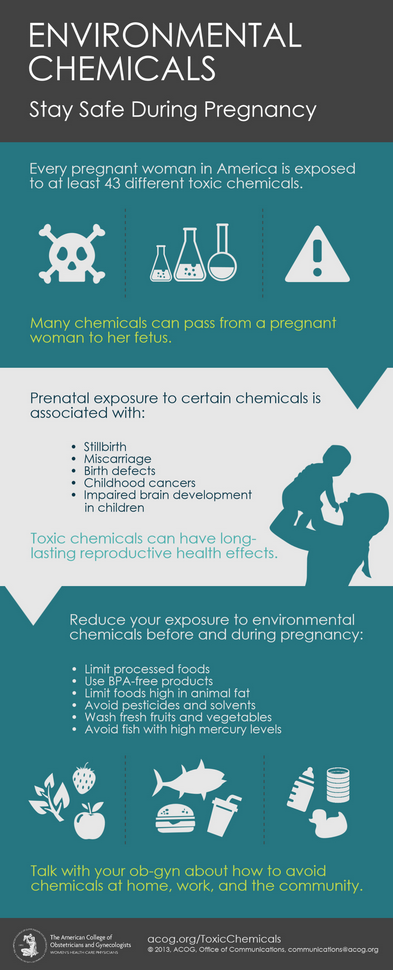






“Children in New York today are at risk of exposure to more than 80,000 synthetic chemicals … Information on possible health effects is not available for half of the most most widely manufactured chemicals. Information on developmental toxicity to infants and children is not available for 80% of the most widely manufactured chemicals.”
The Children’s Environmental Health Center recently published an important report on the status of children’s health in New York State. The document concludes overall that, despite the enormous gains in kids’ health quality over the decades, chronic diseases are still on the rise, largely as a result of environmental factors.
- Asthma diagnoses among children have tripled in New York State, most likely due to triggers such as air pollutants and cigarette smoke.
- Birth defects are now the leading cause of infant death. The report cites phthalates in consumer products as one cause of birth defects.
- Developmental & other neurobehavioral disorders like autism have increased substantially. Researchers attribute 28% - that’s more than a quarter - of cases environmental toxins.
- Leukemia and brain cancer incidents have surged by 40% since the mid-1970s.
- Lead poisoning — which can cause adverse brain damage even at low levels — impacts more than 2,000 children each year in New York State.
- Child obesity, always a hot-button issue, continues to plague children’s health and has tripled over the past 3 decades. One third of all NY public school students are overweight. It is linked to endocrine disruptors - particularly BPA.
These problems in children’s health are also a major cost to New York State - reaching billions of dollars in treatment costs. Environmentally attributable asthma alone, for instance, amounted to $4.3 billion in costs. Environmentally attributable cases of autism and ADHD total $1.04 billion.
The report does indicate that such environmentally attributable diseases are preventable. It also argues that primary prevention, “the elimination of exposure to an environmental hazard at its source,” is much more effective than secondary measures in controlling children’s health. Mt. Sinai’s CEHC recommends building Centers of Excellence across NY state with medical professionals and other professionals who will provide
- actual, researched-based guidance on children and environmental factors
- educational outreach
- timely messaging on acute health events
- collaboration on community-level issues with key stake-holders
For information about how to avoid environmental toxins, checkout the CEHC’s section on “Resources for Parents” and “Greening our Children.” Also checkout Nine Naturals blogposts on environmental toxins:
What are Sulfates and Our Top Tips to Avoid Them
Cooking Like a Natural. Safe & Effective Alternatives for Non-Stick Cookware
Greening Your “Clean” Routine! Using Safe Cleaners in the Home
Minimizing Toxins While Breastfeeding
All about Phthalates! Why and How to go Pthalate-Free
What are parabens and the dangers they pose? You’d be surprised.
How to Read a Label? Standards, Labeling, Honesty & Deception on Product Labels
Creating a Green Nursery … a Healthy Space for your Newborn!