Posts Tagged ‘BPA’

Things We’ve Read – Week of December 9th

Screen Shot 2013-12-15 at 12.18.44 PM

BPA is still everywhere, and mounting evidence suggests harmful effects. (Washington Post): These days the baby aisle shelves are lined with products proudly announcing: “BPA-free.” But the chemical is found in many other common items: medical devices, dental sealants and compact discs, and even paper receipts. In short, it’s pretty hard to avoid the chemical.

Mindfulness for Fathers: 5 Difficult Feelings We Can Learn to Love (Huffington Post): What feelings and fears do guys confront when becoming a father? One dad describes how one man came to appreciate and even love what emotions he once feared.

Wall Street Mothers, Stay-Home Fathers (NYTimes): Growing numbers of women on Wall Street say is enabling them to compete with new intensity: a stay-at-home husband.”… the couples have come to question just what is male behavior and female behavior, noting how quickly their preconceived notions dissolve once they depart from assigned roles.”

High chair injuries on the rise, study finds (Today): The number of high chair-related injuries increased by more than 22 percent between 2003 and 2010, according to a nationwide study. This article covers explanations about this trend and tips for protecting your little one in his or her high chair.

7 Ways a Second Pregnancy Can’t Compare to a First (Huffington Post): What do kumquats have to do with pregnancy? An honest & funny comparison of one NYC mom’s experience with her second pregnancy vs. her first.

Things We’ve Read – Week of November 17th

697

Chemicals in Plastics and Cosmetics tied to Early Births (Reuters): A new study finds that women who delivered babies before 37 weeks had higher levels of phthalates.

Till Baby Comes, Keep Smiling (NYTimes): Ever wondered if pregnant women in ads are just skinny (non-pregnant) models with strap-on bumps? Turns out, there is demand and supply for real pregnant models.

10 Foods Sold in the U.S. That Are Banned Elsewhere (OracleTalk): Many countries have policies against ingredients that are harmful to humans. This is a practical guide of what to avoid & why.

Lifestyle Changes Could Reduce Risk’ of Pregnancy Complications (MedicalNewsToday): A new study links lifestyle factors, including fruit intake in the months before pregnancy as well as socioeconomic factors, to certain pregnancy health outcomes.

7 Natural And Effective Ways to Combat Pregnancy Insomnia (AllWomensTalk): Here are some simple ways to help you rest more easily while pregnant. We’d add tea and a warm bath (under 98 degrees Fahrenheit) to the list!

Healthy Child Healthy World: The Nonprofit Every Health-Conscious Parent Should Know


Screen Shot 2013-11-05 at 1.42.32 PM

We created Nine Naturals to empower moms and moms-to-be in their consumer choices. Central to our mission is not only to create amazing beauty products that you’ll love, but also to provide you with educational tools to make it easier to create a safer environment for you and your family.

That’s why Nine Naturals is a proud supporter of the non-profit, Healthy Child Healthy World.

Healthy Child Healthy World’s vision is a world where every child has the opportunity to grow up in a healthy and safe environment. By working with manufacturers and supporting policy initiatives, Healthy Child Healthy World provides access to critical information that encourages smarter lifestyle choices that reduce chemical exposure in homes and communities. Since our own launch, Nine Naturals has partnered with Healthy Child; we support and are grateful for their tireless work to create a healthy environment for children.

Why they do it.

James and Nancy Chuda launched Health Child Healthy World in honor of their daughter Colette, who was diagnosed with a rare, non-hereditary cancer at the young age of four years old and eventually passed away from the disease. Through their research they learned that a possible cause of their daughter’s cancer was maternal exposure to chemical pesticides. Healthy Child Healthy World celebrates Colette’s memory and helps to prevent other children from suffering the effects of unnecessary chemical exposure.

How they do it.

Healthy Child focuses on three channels to execute on their mission:

Empowering Parents

Healthy Child’s website provides practical ways to reduce chemical exposure in your home. They have developed an “Easy Steps” series to guide parents in finding safe baby formula, improving indoor air quality, and using environment-healthy alternatives to dry cleaning.

The nonprofit also assembles inspiring Moms on a Mission and Parent Ambassadors, arguably just as important as Healthy Child’s science gurus in spreading awareness on chemical safety and environmental concern. Celebrity supporters like Laila Ali and Molly Sims proudly support Healthy Child’s causes as well.

Influencing Policy

For over 20 years, Healthy Child has worked to influence policy that better protects our children’s health. Healthy Child partners with manufacturers and policymakers to shed light on issues like corporate accountability, legal and regulatory reform, and greater chemical and product safety.

Promoting Solutions

Healthy Child helps to identify safer alternatives to toxic products, work with responsible companies to create and promote those alternatives and pressure industry giants to follow suit. Nine Naturals is proud to be a Shop Healthy partner of Healthy Child Healthy World. Our haircare and skincare line prioritizes chemical-free safety above all, a flagship shared with Healthy Child Healthy World.

Watch Healthy Child’s “Wake-Up Story” below and check out Healthy Child’s page today.


Things We’ve Read – Week of October 27th

2013-10-30-bealsleadscharge

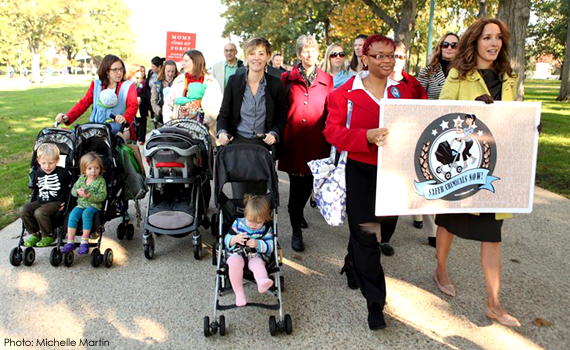
Jennifer Beals Leads Stroller Brigade for Safer Chemicals at U.S. Capitol (Huffington Post): The “Stroller Brigade’s” parent activists hit Capitol Hill to ask Congress for leadership on meaningful laws on toxic chemicals.

Dirty Dozen List of Endocrine Disruptors (Environmental Working Group): The Environmental Working Group just released a list of the top 12 hormone altering chemicals and how to avoid them.

The Best Board Books (Baby Center): Great reading list for your newborn!

Babies Can Learn Music in the Womb (NYTimes): Finnish researchers test expose babies to music in the womb and they recognize it at birth and at 4 months old.

She’s Expecting, but When? (WSJ): Clearblue Advanced Pregnancy Test is 93% accurate in estimating how long since ovulation.


All about Phthalates! Why and How to go Pthalate-Free.

Fotos-de-perfumes-color-naranja

Nine Naturals has mastered a few important things, not the least of which is pronouncing the word “phthalates.” We’ve taken great care to keep our products and packaging completely void of phthalates. We also stay current on science about phthalates so that we can keep our customers informed about how to avoid phthalates in their daily lives.

What are Phthalates?

Phthalates are a group of chemical compounds commonly found in household products, from children’s toys to plastic water bottles and from cleaning supplies to shampoo. It’s been estimated that approximately 70% of personal care products include these chemical compounds.

Phthalates are used to make plastics more flexible, transparent, durable and pliable. They also improve how well paint can be applied (as in your nail polish) and help scents linger in the air longer. Phthalates can also be found in medical tubing, pill encasements and IV bags.

Because of their widespread use by manufacturers in a number of industries, phthalates can prove very difficult to avoid.

Here is a quick list of products that commonly contain phthalates:

  • Shampoos and conditioners
  • Hair coloring products
  • Eyeliner / eyeshadow
  • Blush
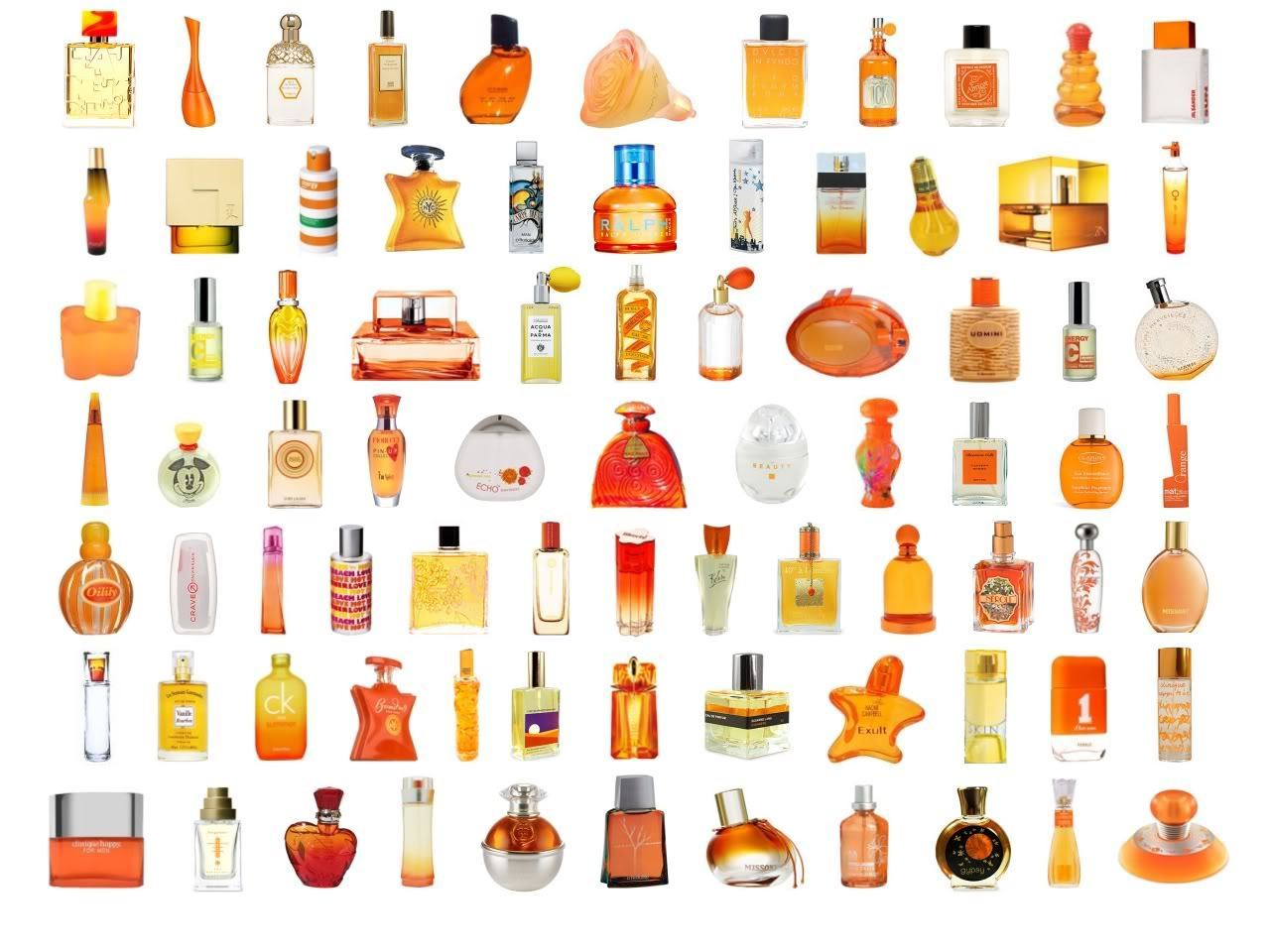
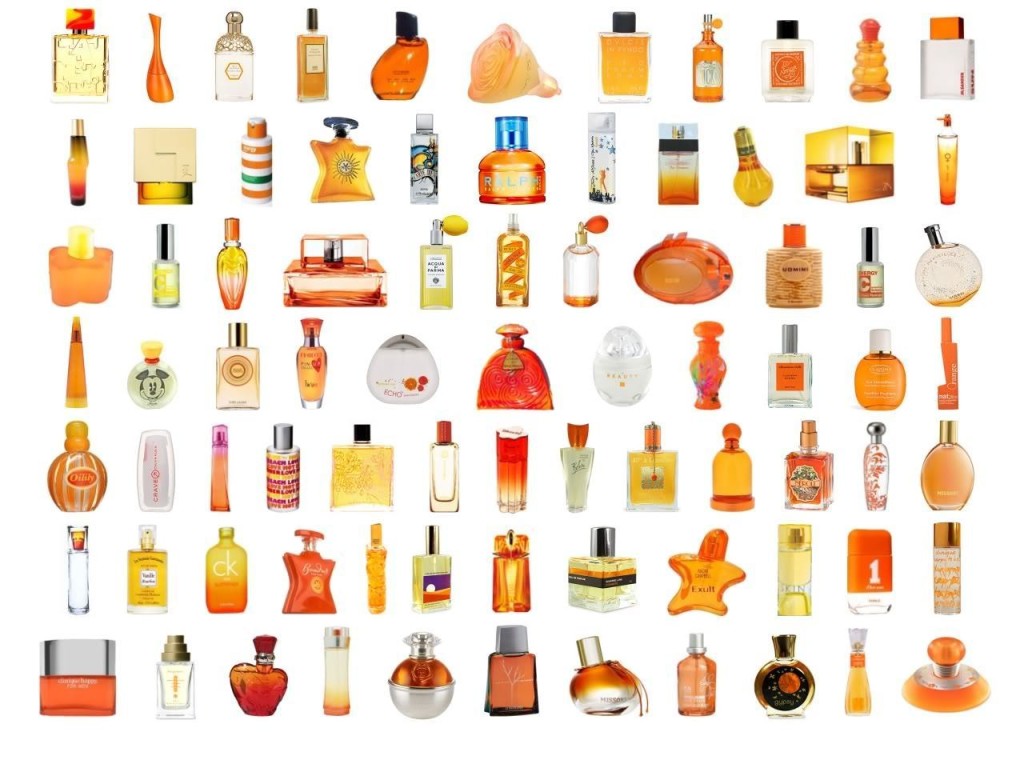
  • Perfume
  • Air freshener
  • Nail polish
  • Hairspray
  • Deodorant
  • Feminine products
  • Plastic food packaging
  • Plastic wrap
  • Plastic water bottles

Why Phthalates Are Dangerous.

One of the notable behaviors of phthalate compounds is that their decomposition accelerates as plastics age – this is one of the reasons that phthalates are so dangerous and nearly impossible to completely avoid.

Phthalates pose a very high risk to your health and to your baby’s well being. Potentially carcinogenic, phthalates can prove toxic to developing fetuses and can produce birth defects in baby boys.

Phthalates also interrupt your body’s natural hormonal processes – “hormone disruptors.” Phthalates can wreak havoc on your fertility levels, jeopardize your endocrine system, and can also incite endometriosis and PCOS, a serious ovarian disorder.

The good news about phthalates is that they do not accumulate in the body, unlike other harmful chemical compounds. Speaking unambiguously to the ubiquity of phthalates, a 2001 CDC study revealed that every single person in the study had phthalates in his or her body. Because women so often use products containing phthalates (like cosmetics), sustained exposure to these chemicals is high for females.

Women in their childbearing years and children hold the greatest risk of phthalates producing serious consequences to their health and their baby’s health. Research from the Columbia University Mailman School of Health correlated prenatal exposure to phthalates to several disorders in preschool-aged children: reduced mental development, motor skill deficiency and behavioral challenges. Women who unwittingly use products containing phthalates can jeopardize their children’s future.

How to Minimize Exposure to Phthalates

Identifying phthalates in your product’s ingredient list seems challenging and tedious. But here are a few tips to help you:

  1. Avoid all products from companies that list “fragrance” as an ingredient. In our blogpost about “How to Read a Label,” we explained that, due to patent guidelines, fragrances are legally protected from having to disclose contents. Phthalates are often used in creating fragrances, but are not disclosed as an ingredient because they are a part of the “fragrance” of a product. As an alternative, use products that, like Nine Naturals, only use natural, plant-derived fragrances.
  2. Seek out transparency on product labels. Purchase from companies who disclose all the ingredients contained in their products. Consumers shouldn’t have to guess what goes into the products they use on their body. For instance, Nine Naturals always discloses the exact fragrance of its products and never hides ingredients behind a “fragrance” label.
  3. Avoid products containing one of these acronyms: DBP, DEHP, DMP, or DEP. Also note that “dibutyl / diethyl ester,” or any variation thereof, signals phthalates. So does “1,2-benzenedicarboxylate.”
  4. Use glass containers to store food. Phase out that plastic Tupperware! And promptly throw away Tupperware that is already showing scratches and other signs of damage.
  5. Never use plastic containers or plastic coverings, like plastic wrap, when heating food. Heat can accelerate the breakdown of phthalates in plastic. Transfer your food to a glass bowl or plate and use a paper towel or a plate as a cover.

A Natural Solution

Keep in mind – natural hair maintenance offers more than phthalate-free, chemical-free safety; it also fosters sensational hair. Pregnant women who use plant-based, natural products can capitalize on their fuller locks without worry.

Mother Nature helps achieve this with stunning “ingredients” like cupuaçu butter, which nourishes hair with its Omega-6 and -9 fatty acids. Meadowfoam seed oil naturally protects hair against UV radiation. And impressive shine is just one asset of the oil from the sweet almond. Nine Naturals’ phthalate-free, all-organic shampoo and conditioner incorporate these and other healthy-body, healthy-hair ingredients.