


Posts Tagged ‘phthalates’

Minimizing Toxins While Breastfeeding

BreastFeeding_060713-617x416

Breastfeeding provides a growing baby with numerous health advantages. Breastmilk’s natural ingredients include protein (whey, casein, and other baby-friendly proteins), fats, vitamins, and lactose, in addition to infection-fighting leukocytes (APA).

If you are considering breastfeeding, it’s a wonderful option. Science Daily, for example, discusses PSTI (pancreatic secretory tripsin inhibitor) which reinforces and strengthens the lining of newborns’ intestines. Leukocytes, which battle illness in babies, also only exist in breastmilk. Nursing could also go so far as to improve baby’s genes in ways that safeguard an infant’s immune system.

However, it behooves moms and their babies to also understand that healthy nutrients aren’t all that can transfer via breastmilk from mother to baby. What you eat, drink, or use for your bodycare during pregnancy and nursing can contaminate your breastmilk and expose your baby to risk. Florence Williams, acclaimed author of “Breasts,” wrote in a 2005 NYT article about how toxins can transfer from mother to baby via the breastmilk. Women in their child-bearing years may have unknowingly developed a “chemical burden,” or buildup of harmful compounds:

When we nurse our babies, we feed them not only the fats, sugars and proteins that fire their immune systems, metabolisms and cerebral synapses. We also feed them, albeit in minuscule amounts, paint thinners, dry-cleaning fluids, wood preservatives, toilet deodorizers, cosmetic additives, gasoline byproducts, rocket fuel, termite poisons, fungicides and flame retardants. -Williams

This should not discourage mothers who wish to breastfeed - but rather should make them more judicious about their exposure to chemical toxins during pregnancy and nursing. What you put into and onto your body counts in the pursuit of a healthy body for both you and your baby. Keep that truth in mind when selecting which products to incorporate into your skincare and haircare regimens.

Women should look after themselves during nursing as carefully as they do during pregnancy. Here are a few tips to accomplish just that, while avoiding exposure to toxins where possible:

  • Use chemical-free, natural products. Research and stick to beauty lines such as our very own Nine Naturals.
  • Read product labels closely. Learn how to recognize variations of harmful chemicals as phthalates and sulfates.
  • Eat organic. Make organic food choices that optimize your nutrient sources and minimize chemical exposure, like pesticides.
  • Steer clear of second hand smoke. You obviously know not to smoke at all while pregnant. Research also proves that cigarette and marijuana smoke can subject your infant to risk of SIDS and stunted growth and development.
  • Avoid synthetic fragrances. They’re riddled with toxins and can enter your body through your respiratory system and through your skin.
  • Inform your physician of any and all medications. From aspirin to acne cream, even the most innocuous medication can cause harm to your body and your baby’s body while nursing. Have a detailed discussion with your pediatrician and / or obstetrician to go over which meds are safest and which are risky.

Want to learn more about preparing for breastfeeding? Read our Top 5 Tips on how to Prepare for Breastfeeding and Top Breastfeeding Gear from Expert Lactation Consultant Sheridan Ross. Also checkout our Nine Ways to Reduce Your Toxic Burden During Pregnancy.

We wish you a wonderful experience with your newborn. As always, we encourage you to keep your body healthy through pregnancy, breastfeeding and beyond. Because taking care of yourself is the best thing you can do for your baby - especially during this special time in the baby’s development.
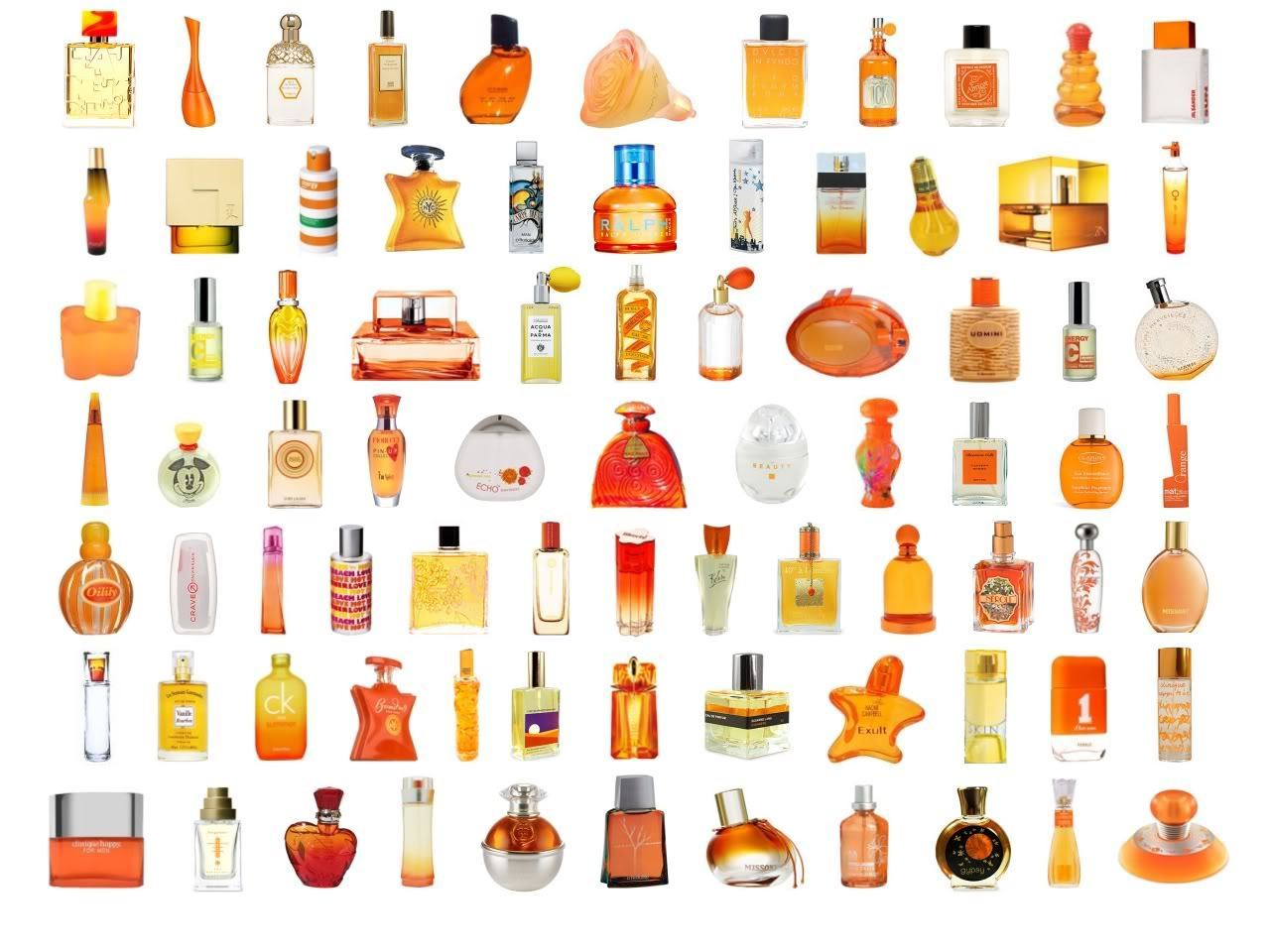

All about Phthalates! Why and How to go Pthalate-Free.

Fotos-de-perfumes-color-naranja

Nine Naturals has mastered a few important things, not the least of which is pronouncing the word “phthalates.” We’ve taken great care to keep our products and packaging completely void of phthalates. We also stay current on science about phthalates so that we can keep our customers informed about how to avoid phthalates in their daily lives.

What are Phthalates?

Phthalates are a group of chemical compounds commonly found in household products, from children’s toys to plastic water bottles and from cleaning supplies to shampoo. It’s been estimated that approximately 70% of personal care products include these chemical compounds.

Phthalates are used to make plastics more flexible, transparent, durable and pliable. They also improve how well paint can be applied (as in your nail polish) and help scents linger in the air longer. Phthalates can also be found in medical tubing, pill encasements and IV bags.

Because of their widespread use by manufacturers in a number of industries, phthalates can prove very difficult to avoid.

Here is a quick list of products that commonly contain phthalates:

  • Shampoos and conditioners
  • Hair coloring products
  • Eyeliner / eyeshadow
  • Blush
  • Perfume
  • Air freshener
  • Nail polish
  • Hairspray
  • Deodorant
  • Feminine products
  • Plastic food packaging
  • Plastic wrap
  • Plastic water bottles

Why Phthalates Are Dangerous.

One of the notable behaviors of phthalate compounds is that their decomposition accelerates as plastics age – this is one of the reasons that phthalates are so dangerous and nearly impossible to completely avoid.

Phthalates pose a very high risk to your health and to your baby’s well being. Potentially carcinogenic, phthalates can prove toxic to developing fetuses and can produce birth defects in baby boys.

Phthalates also interrupt your body’s natural hormonal processes – “hormone disruptors.” Phthalates can wreak havoc on your fertility levels, jeopardize your endocrine system, and can also incite endometriosis and PCOS, a serious ovarian disorder.

The good news about phthalates is that they do not accumulate in the body, unlike other harmful chemical compounds. Speaking unambiguously to the ubiquity of phthalates, a 2001 CDC study revealed that every single person in the study had phthalates in his or her body. Because women so often use products containing phthalates (like cosmetics), sustained exposure to these chemicals is high for females.

Women in their childbearing years and children hold the greatest risk of phthalates producing serious consequences to their health and their baby’s health. Research from the Columbia University Mailman School of Health correlated prenatal exposure to phthalates to several disorders in preschool-aged children: reduced mental development, motor skill deficiency and behavioral challenges. Women who unwittingly use products containing phthalates can jeopardize their children’s future.

How to Minimize Exposure to Phthalates

Identifying phthalates in your product’s ingredient list seems challenging and tedious. But here are a few tips to help you:

  1. Avoid all products from companies that list “fragrance” as an ingredient. In our blogpost about “How to Read a Label,” we explained that, due to patent guidelines, fragrances are legally protected from having to disclose contents. Phthalates are often used in creating fragrances, but are not disclosed as an ingredient because they are a part of the “fragrance” of a product. As an alternative, use products that, like Nine Naturals, only use natural, plant-derived fragrances.
  2. Seek out transparency on product labels. Purchase from companies who disclose all the ingredients contained in their products. Consumers shouldn’t have to guess what goes into the products they use on their body. For instance, Nine Naturals always discloses the exact fragrance of its products and never hides ingredients behind a “fragrance” label.
  3. Avoid products containing one of these acronyms: DBP, DEHP, DMP, or DEP. Also note that “dibutyl / diethyl ester,” or any variation thereof, signals phthalates. So does “1,2-benzenedicarboxylate.”
  4. Use glass containers to store food. Phase out that plastic Tupperware! And promptly throw away Tupperware that is already showing scratches and other signs of damage.
  5. Never use plastic containers or plastic coverings, like plastic wrap, when heating food. Heat can accelerate the breakdown of phthalates in plastic. Transfer your food to a glass bowl or plate and use a paper towel or a plate as a cover.

A Natural Solution

Keep in mind – natural hair maintenance offers more than phthalate-free, chemical-free safety; it also fosters sensational hair. Pregnant women who use plant-based, natural products can capitalize on their fuller locks without worry.

Mother Nature helps achieve this with stunning “ingredients” like cupuaçu butter, which nourishes hair with its Omega-6 and -9 fatty acids. Meadowfoam seed oil naturally protects hair against UV radiation. And impressive shine is just one asset of the oil from the sweet almond. Nine Naturals’ phthalate-free, all-organic shampoo and conditioner incorporate these and other healthy-body, healthy-hair ingredients.

Things We’ve Read - Week of October 13th

Bigger Postpartum Challenges Than Just Baby Weight (WSJ): An increasing number of women and health professionals are turning their attention to post pregnancy changes beyond weight to stretched, weakened or torn muscles, misaligned bones and more.

BPA, phthalate exposure may cause fertility problems (CNN): Great article explaining what BPA & Phthalates are & how they impact your health & fertility.

Popular Morning Sickness Drug Safe in Pregnancy, Study Finds (USHealthnews): Studies have found that metoclopramide, a popular anti-nausea drug, appears to be a safe and effective treatment for morning sickness

Everything You Need For a Halloween Baby Shower (Babble): Halloween is just around the corner. Here are some fun ways to incorporate the holiday into your baby shower!

Your Baby’s first 24 hours of Life (Parents Magazine): You read and research what your and your partner’s experience will be on your delivery day. Do you know what the experience will be like for your newborn?

A little Bit Pregnant: The Numbers Game (NYTimes): The next edition to Amy Klein’s IVF series explains how positive pregnancy test results for pregnancy do not tell the full story.

Things We’ve Read – Week of September 23rd

Screen Shot 2013-09-29 at 7.32.26 PM


How a Pregnant Woman’s Choice Could Shape a Child’s Health (NPR): Epigenetics, the study of what turns genes on and off in a cell, explain why chemical toxins, tobacco, alcohol and stress can cause fetal harm.

Safer Products: Talk is Cheap, Resistance Futile (SaferChemicals.org): Major industry conventions and conferences are confronting the topic of toxins and how to eliminate them; Walmart becomes a leader in the effort.

New Study Suggests “Universal Fetal Exposure” to BPA (Environmental Health News): A California study testing the presence of BPA in cord blood finds evidence of BPA in 100% of samples in the test.

Environmental Chemicals Harm Reproductive Health (ACOG): ACOG & ASRM officially warn of the dangerous impact of environmental toxins during pregnancy and advise healthcare providers to educate their patients on why and how to avoid these toxins.

Pregnant Weight Lifter Stirs Debate (NYTimes): Images of an 8-month pregnant Crossfit trainer piques strong opinions about strenuous fitness during pregnancy.

Only the Nose Knows: Why does your sense of smell change during pregnancy?

Welcome to your pregnancy — an unforgettable life experience that boasts such gifts as a radiant glow, a luxurious mane of hair, and… the strongest, most off-putting smells your nose has likely ever sniffed!

Indeed, increased olfactory powers seem to be a rite of passage for pregnant women. Scents that you once considered favorites may seriously offend you now. And what you previously thought smelled horrible can now seem virtually unbearable. Why exactly this takes place remains a major quandary, both inside and out of the biology lab.

Issues of heightened sense in pregnant women continue to challenge the scientific community. There is no conclusive, scientific explanation (as of yet) for why sense of smell changes dramatically during pregnancy. Medical professionals remain unaware how precisely estrogen prompts a heightening of the sense.

Yet in one 2004 longitudinal study, European researchers hypothesized that a boost in smelling ability presented a biological advantage for pregnant women: the odor sensitivity could potentially discourage women from foods with chemicals or substances that could do harm to baby. However, further study later proved this hypothesis false.

What do we know, then, about why smell affects pregnant women in particular? An enhanced sense of smell can often signal a new pregnancy. It is one of the first signs that change in happening within a woman’s body, caused by a rapid boost in estrogen levels. And although pregnant women may notice stronger smell throughout their pregnancies, those in the first trimester seem most impacted by it. (Extreme sensitivity of smell levels off by the second trimester for most women.)

You may want to steer clear of artificial fragrances when pregnant, especially during those first three months. Non-natural scents can provoke sensitivity and irritation on pregnant women’s more tender skin. Depending on your experiences with child, artificial scent could provoke nausea and discomfort much more than natural or organic alternatives.

Exercise scrutiny in your pregnancy wellness products. Even beautifully packaged shampoos and creams may use artificial scents that not only could cause you to be nauseous but also may contain harmful chemicals such as phthalates.

At Nine Naturals, we’ve artfully created our proprietary fragrances around a pregnant woman’s sensitive nose. Designed by our founder, Grace and an expert perfumer, each of our products features 100% natural fragrances that are both gentle on your nose and beneficial for your sense of well-being.

Turn to our Restorative Conditioner to spoil your hair with ginger root extract, long admired for its capacity to soothe morning sickness. Lemon and lime’s clean, fresh scents can help to neutralize your feelings of nausea, reduce inflammation, and brighten your outlook. Sniff them out in our Nourishing Shampoo and Conditioner.

Peppermint also enhances our haircare line. We include the minty oil for its properties that combat morning sickness and exhaustion.

Because geranium oil is known to help bring equilibrium to your hormones and state of being, we naturally included it in our Soothing Body Wash, as well as in our Regenerative Belly Butter. Last but not least: our Belly Butter also features a natural vanilla extract, a scent which can calm you as it brings about warm thoughts of home and loved ones.

Which of Nine Naturals’ wide array of all-natural fragrances is your favorite?