

Posts Tagged ‘oxybenzone’

Why Pregnancy Soap?

il_570xN.95375236

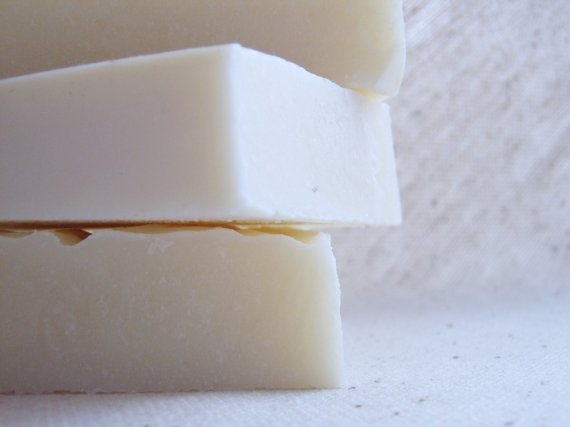
Few things relax you more during pregnancy than a nice warm bath, with great soap that smells as wonderfully as it cleans. But not all soaps are created equal, particularly with regard to pregnant women. Nine Naturals formulated a pregnancy soap specifically for pregnant women with product development and testing by pregnant women.

So what is the significance of a “pregnancy soap” when it comes to your beauty and cleaning routine?

Many soaps on the market are inadequate for the pregnancy experience — including increased hormones and stretching skin which can make your skin more sensitive and prone to irritation. Even more importantly, many soaps on the market can pose a risk to you and your baby during his most vulnerable stage of life. What you use to bathe can seep into your skin and bloodstream.

During your pregnancy, it’s critical to read the ingredients of soaps and body-washes. Choose all natural products formulated for pregnancy and lookout out for toxic chemicals like these.

  • Sodium Laureth Sulfate. This cheap and widespread cleaning agent is a popular ingredient for its foaming ability and simple production. SLS causes dryness and irritation in the skin. It is also absorbed very easily into the skin and can build up in organs like the brain and liver, causing long-term damage. Its harmful by-product, 1,4-dioxane, is classified as a carcinogen by the EPA.
  • Oxybenzone. Commonly found in sunscreen lotion as well as soap, this compound is used to help ingredients absorb more quickly into your skin. Its adverse effects include potential birth defects in male babies as well as cellular damage. Oxybenzone can also disrupt your body’s hormones, possibly leading to a greater risk of certain cancers.
  • Triclosan (Microban). Previously celebrated as an excellent antibacterial, this ingredient is now associated with several harmful impacts on health. Triclosan can hinder the proper production of estrogen in your body during pregnancy, which can reduce blood and oxygen flow to the fetus and cause brain damage. It is common in soaps, lotions and hand washes.
  • Phthalates. You can find this chemical in large and diverse selection of products: children’s toys, furniture, plastic toys, and soap (often listed as artificial fragrance). Scientific circles are currently debating the impact that phthalates can have on increasing the risk of asthma and obesity in children. A recent study published by JAMA confirms that phthalates exposure can increase preterm birth risk.
  • Artificial preservatives. This category includes chemicals like parabens, infamous for their hormone-disrupting qualities. Parabens have been used in cosmetic products (including pregnancy soaps) for decades, but not without controversy. There has been association of high paraben levels with breast cancer tumors, yet studies documenting this association have not proven it to be causal. Parabens may also wreak havoc on the endocrine system.

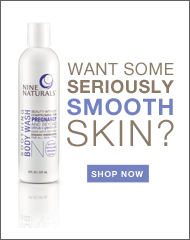
There are high performance alternatives to chemical-laden pregnancy soaps: Nine Naturals Citrus + Geranium Body Wash. Formulated for pregnant women, it’s all-natural, sulfate-free, and triclosan-free. It soothes itchy, dry, sensitive skin. It is a high performance soap that increases smoothness and suppleness in skin, combating stretch marks.
Natural Sun Protection During Pregnancy

Having trouble sifting the helpful sunscreen information from the hype? Here are some tips for managing your health in the sun.

Recommended Daily Sun Exposure

Daily sun exposure is critical to the body’s production of Vitamin D, a deficiency which can lead to preeclampsia and cesarean section birth.[1] Yet the skin of pregnant women is more sun-sensitive, and too much sun can incite chloasma.[2] The major takeaway is a recommendation of 15-30 minutes of activity in the sun without sunscreen, outside of peak hours.

Safeguarding Against the Sun

  • Year-round sun protection. The sun’s rays aren’t harmful only in the heat of summer. The ultraviolet rays responsible for the harm pose damage every day.
  • Peak sun avoidance. The sun’s rays prove strongest and most damaging to skin during the peak hours of 10am and 4pm.
  • Wide-brimmed hats. This provides chemical-free sun protection to your scalp, face and upper body. The large brim can create a circle of shade for additional sun safety.
  • UVA/UVB sunglasses. Ultraviolet radiation can harm the corneas and lenses of your eyes and may also spur cataract development. Sunglasses specifically marked for UVA and UVB protection should keep your sight safe.
  • Sun protective clothing. This is another measure of protecting your skin without the use of chemicals. For the strongest defense, ensure that you wear dark-colored clothing made from thickly woven material.
  • Use sunscreen on areas of unexposed skin. Sunscreen works best and most safely when used only on those areas that your hat, glasses, and clothing don’t shield.

Choose a Safe Sunscreen, Part 1: Avoid These Harmful Ingredients

  • Vitamin A. Yes, the same vitamin that supports eyesight can corrupt a sunscreen. The EWG found that Vitamin A can become a carcinogen when exposed to sunlight. It has also been linked with birth defects. Vitamin A may take any of the following names on sunscreen labels: retinyl palmitate, vitamin A palmitate, retinol hexadecanoate, and retinol palmitate.
  • Oxybenzone. This can disrupt hormones and incite skin allergies. It has also been linked to low birth weight in baby girls. [3] It’s also known as benzephenone or benzephenone-3.
  • Titanium oxide. Scholarship shows that this ingredient is carcinogenic and damages DNA.[4]
  • Nanoparticles. The use of nanoparticles in sunscreens prevents the white residue that some products may leave behind. But studies suggest that nanoparticles may be absorbed by the skin, entering the human placenta via the blood-brain or the placental-fetal barrier. [5]
  • Parabens, Fragrance, Other Artificial Ingredients. Like other skincare products, sunblocks can contain harmful ingredients that you want to avoid like parabens and chemicals hidden in fragrance.

Choose a Safe Sunscreen, Part 2: What Makes a Safe Sunscreen?

  • Water resistance and full/broad-spectrum protection. Your sunscreen should protection against both types of UV rays. It should also hold up when you enter the waves.
  • Non-nanoengineered zinc oxide. This ingredient blocks UV rays safely. When not in the form of nanoparticles, it won’t be absorbed into the skin.
  • Creams, NOT sprays. Sprays and powders create unsafe airborne particles of sunscreen. Reapply the cream often.
  • SPF between 30 and 50, not higher. Sky-high SPF does not translate to dramatically better sun protection.
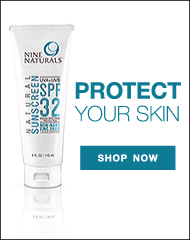
  • Natural ingredients. Make sure to take a close look at the inactive ingredients as well, looking for a product that uses only natural ingredients to form the base cream of the sunblock, like our Natural Sunscreen SPF 32.


[1] Shin JS, Choi MY, Longtine MS, Nelson DM. (2010) Vitamin D effects on pregnancy and the placenta. National Institutes of Health. 2010 Dec;31(12):1027-34. Epub 2010 Sep 22.

[2] American Pregnancy Association. (2010, March). What’s a Sun Goddess to do During Pregnancy: Pregnancy & Timing.

[3] Laas, M. (2008). Sunscreen Chemical ‘Widespread’ in U.S. Population. Skin and Allergy News.

[4] Kuempel, E., Ruder, A. Titanium Dioxide (TiO2). International Agency for Research on Cancer.

[5] Wick P, Malek A, Manser P, Meili D, Maeder-Althaus X, et al. 2009 Barrier Capacity of Human Placenta for Nanosized Materials. Environ Health Perspect 118(3): doi:10.1289/ehp.0901200