Posts Tagged ‘Green Living’

Things We’ve Read – Week of November 11th

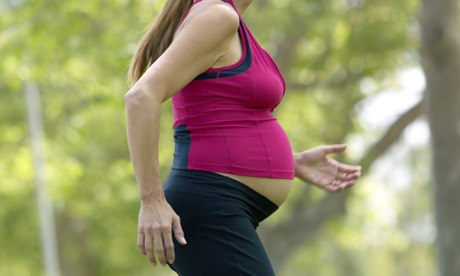
Pregnant woman

Pregnant mothers who exercise boost babies’ brains, claim researchers (The Guardian): The babies born to mothers who were physically active during pregnancy are found to have more mature cerebral activation as early as 12 days after birth.

Staying in the Game (WellRounded NY): Thinking of leaving your job once the baby arrives? Here are 3 great tips for staying relevant while out of the workforce.

BPA may affect sperm quality (Environmental Health News): BPA is a family issue. Men with higher BPA levels were more likely to have poorer sperm quality.

Extreme Chemical Sensitivity Makes Sufferers Allergic to Life (Discover Magazine): Ever heard of TILT? Interesting article about about chemical sensitivity and the disorders we might develop due to extreme chemical exposure.

Don’t Ever Apologize for being a Good Parent (Fast Company): Read about this important lesson, as well as more advice from the author for hard-working women.

Things We’ve Read – Week of November 3rd

images

New test may predict preeclampsia odds in pregnant women (CBS): A new test predicts preeclampsia risks by differentiating women with preeclampsia from those with high blood pressure alone

The Passion of Parenting (NYTimes): Wonderful op-ed about enjoying parenting.

Baby’s Gaze May Signal Autism, a Study Finds (NYTimes): When and how long a baby looks at other people’s eyes offers the earliest behavioral sign to date of whether a child is likely to develop autism

5 Myths About Labor and Delivery (Huffington Post): We love this breakdown on labor and delivery for first time moms-to-be!

Pregnant? Your Doctor Should Have Told You This (The Daily Green): We’ve been posting about the ACOG and ASRM recent statements that doctors and nurses need to warn moms-to be about the risks of chemical exposure. Here’s another publication’s take on it …

Healthy Child Healthy World: The Nonprofit Every Health-Conscious Parent Should Know


Screen Shot 2013-11-05 at 1.42.32 PM

We created Nine Naturals to empower moms and moms-to-be in their consumer choices. Central to our mission is not only to create amazing beauty products that you’ll love, but also to provide you with educational tools to make it easier to create a safer environment for you and your family.

That’s why Nine Naturals is a proud supporter of the non-profit, Healthy Child Healthy World.

Healthy Child Healthy World’s vision is a world where every child has the opportunity to grow up in a healthy and safe environment. By working with manufacturers and supporting policy initiatives, Healthy Child Healthy World provides access to critical information that encourages smarter lifestyle choices that reduce chemical exposure in homes and communities. Since our own launch, Nine Naturals has partnered with Healthy Child; we support and are grateful for their tireless work to create a healthy environment for children.

Why they do it.

James and Nancy Chuda launched Health Child Healthy World in honor of their daughter Colette, who was diagnosed with a rare, non-hereditary cancer at the young age of four years old and eventually passed away from the disease. Through their research they learned that a possible cause of their daughter’s cancer was maternal exposure to chemical pesticides. Healthy Child Healthy World celebrates Colette’s memory and helps to prevent other children from suffering the effects of unnecessary chemical exposure.

How they do it.

Healthy Child focuses on three channels to execute on their mission:

Empowering Parents

Healthy Child’s website provides practical ways to reduce chemical exposure in your home. They have developed an “Easy Steps” series to guide parents in finding safe baby formula, improving indoor air quality, and using environment-healthy alternatives to dry cleaning.

The nonprofit also assembles inspiring Moms on a Mission and Parent Ambassadors, arguably just as important as Healthy Child’s science gurus in spreading awareness on chemical safety and environmental concern. Celebrity supporters like Laila Ali and Molly Sims proudly support Healthy Child’s causes as well.

Influencing Policy

For over 20 years, Healthy Child has worked to influence policy that better protects our children’s health. Healthy Child partners with manufacturers and policymakers to shed light on issues like corporate accountability, legal and regulatory reform, and greater chemical and product safety.

Promoting Solutions

Healthy Child helps to identify safer alternatives to toxic products, work with responsible companies to create and promote those alternatives and pressure industry giants to follow suit. Nine Naturals is proud to be a Shop Healthy partner of Healthy Child Healthy World. Our haircare and skincare line prioritizes chemical-free safety above all, a flagship shared with Healthy Child Healthy World.

Watch Healthy Child’s “Wake-Up Story” below and check out Healthy Child’s page today.


Minimizing Toxins While Breastfeeding

BreastFeeding_060713-617x416

Breastfeeding provides a growing baby with numerous health advantages. Breastmilk’s natural ingredients include protein (whey, casein, and other baby-friendly proteins), fats, vitamins, and lactose, in addition to infection-fighting leukocytes (APA).

If you are considering breastfeeding, it’s a wonderful option. Science Daily, for example, discusses PSTI (pancreatic secretory tripsin inhibitor) which reinforces and strengthens the lining of newborns’ intestines. Leukocytes, which battle illness in babies, also only exist in breastmilk. Nursing could also go so far as to improve baby’s genes in ways that safeguard an infant’s immune system.

However, it behooves moms and their babies to also understand that healthy nutrients aren’t all that can transfer via breastmilk from mother to baby. What you eat, drink, or use for your bodycare during pregnancy and nursing can contaminate your breastmilk and expose your baby to risk. Florence Williams, acclaimed author of “Breasts,” wrote in a 2005 NYT article about how toxins can transfer from mother to baby via the breastmilk. Women in their child-bearing years may have unknowingly developed a “chemical burden,” or buildup of harmful compounds:

When we nurse our babies, we feed them not only the fats, sugars and proteins that fire their immune systems, metabolisms and cerebral synapses. We also feed them, albeit in minuscule amounts, paint thinners, dry-cleaning fluids, wood preservatives, toilet deodorizers, cosmetic additives, gasoline byproducts, rocket fuel, termite poisons, fungicides and flame retardants. -Williams

This should not discourage mothers who wish to breastfeed - but rather should make them more judicious about their exposure to chemical toxins during pregnancy and nursing. What you put into and onto your body counts in the pursuit of a healthy body for both you and your baby. Keep that truth in mind when selecting which products to incorporate into your skincare and haircare regimens.

Women should look after themselves during nursing as carefully as they do during pregnancy. Here are a few tips to accomplish just that, while avoiding exposure to toxins where possible:

  • Use chemical-free, natural products. Research and stick to beauty lines such as our very own Nine Naturals.
  • Read product labels closely. Learn how to recognize variations of harmful chemicals as phthalates and sulfates.
  • Eat organic. Make organic food choices that optimize your nutrient sources and minimize chemical exposure, like pesticides.
  • Steer clear of second hand smoke. You obviously know not to smoke at all while pregnant. Research also proves that cigarette and marijuana smoke can subject your infant to risk of SIDS and stunted growth and development.
  • Avoid synthetic fragrances. They’re riddled with toxins and can enter your body through your respiratory system and through your skin.
  • Inform your physician of any and all medications. From aspirin to acne cream, even the most innocuous medication can cause harm to your body and your baby’s body while nursing. Have a detailed discussion with your pediatrician and / or obstetrician to go over which meds are safest and which are risky.

Want to learn more about preparing for breastfeeding? Read our Top 5 Tips on how to Prepare for Breastfeeding and Top Breastfeeding Gear from Expert Lactation Consultant Sheridan Ross. Also checkout our Nine Ways to Reduce Your Toxic Burden During Pregnancy.

We wish you a wonderful experience with your newborn. As always, we encourage you to keep your body healthy through pregnancy, breastfeeding and beyond. Because taking care of yourself is the best thing you can do for your baby - especially during this special time in the baby’s development.


All about Phthalates! Why and How to go Pthalate-Free.

Fotos-de-perfumes-color-naranja

Nine Naturals has mastered a few important things, not the least of which is pronouncing the word “phthalates.” We’ve taken great care to keep our products and packaging completely void of phthalates. We also stay current on science about phthalates so that we can keep our customers informed about how to avoid phthalates in their daily lives.

What are Phthalates?

Phthalates are a group of chemical compounds commonly found in household products, from children’s toys to plastic water bottles and from cleaning supplies to shampoo. It’s been estimated that approximately 70% of personal care products include these chemical compounds.

Phthalates are used to make plastics more flexible, transparent, durable and pliable. They also improve how well paint can be applied (as in your nail polish) and help scents linger in the air longer. Phthalates can also be found in medical tubing, pill encasements and IV bags.

Because of their widespread use by manufacturers in a number of industries, phthalates can prove very difficult to avoid.

Here is a quick list of products that commonly contain phthalates:

  • Shampoos and conditioners
  • Hair coloring products
  • Eyeliner / eyeshadow
  • Blush
  • Perfume
  • Air freshener
  • Nail polish
  • Hairspray
  • Deodorant
  • Feminine products
  • Plastic food packaging
  • Plastic wrap
  • Plastic water bottles

Why Phthalates Are Dangerous.

One of the notable behaviors of phthalate compounds is that their decomposition accelerates as plastics age – this is one of the reasons that phthalates are so dangerous and nearly impossible to completely avoid.

Phthalates pose a very high risk to your health and to your baby’s well being. Potentially carcinogenic, phthalates can prove toxic to developing fetuses and can produce birth defects in baby boys.

Phthalates also interrupt your body’s natural hormonal processes – “hormone disruptors.” Phthalates can wreak havoc on your fertility levels, jeopardize your endocrine system, and can also incite endometriosis and PCOS, a serious ovarian disorder.

The good news about phthalates is that they do not accumulate in the body, unlike other harmful chemical compounds. Speaking unambiguously to the ubiquity of phthalates, a 2001 CDC study revealed that every single person in the study had phthalates in his or her body. Because women so often use products containing phthalates (like cosmetics), sustained exposure to these chemicals is high for females.

Women in their childbearing years and children hold the greatest risk of phthalates producing serious consequences to their health and their baby’s health. Research from the Columbia University Mailman School of Health correlated prenatal exposure to phthalates to several disorders in preschool-aged children: reduced mental development, motor skill deficiency and behavioral challenges. Women who unwittingly use products containing phthalates can jeopardize their children’s future.

How to Minimize Exposure to Phthalates

Identifying phthalates in your product’s ingredient list seems challenging and tedious. But here are a few tips to help you:

  1. Avoid all products from companies that list “fragrance” as an ingredient. In our blogpost about “How to Read a Label,” we explained that, due to patent guidelines, fragrances are legally protected from having to disclose contents. Phthalates are often used in creating fragrances, but are not disclosed as an ingredient because they are a part of the “fragrance” of a product. As an alternative, use products that, like Nine Naturals, only use natural, plant-derived fragrances.
  2. Seek out transparency on product labels. Purchase from companies who disclose all the ingredients contained in their products. Consumers shouldn’t have to guess what goes into the products they use on their body. For instance, Nine Naturals always discloses the exact fragrance of its products and never hides ingredients behind a “fragrance” label.
  3. Avoid products containing one of these acronyms: DBP, DEHP, DMP, or DEP. Also note that “dibutyl / diethyl ester,” or any variation thereof, signals phthalates. So does “1,2-benzenedicarboxylate.”
  4. Use glass containers to store food. Phase out that plastic Tupperware! And promptly throw away Tupperware that is already showing scratches and other signs of damage.
  5. Never use plastic containers or plastic coverings, like plastic wrap, when heating food. Heat can accelerate the breakdown of phthalates in plastic. Transfer your food to a glass bowl or plate and use a paper towel or a plate as a cover.

A Natural Solution

Keep in mind – natural hair maintenance offers more than phthalate-free, chemical-free safety; it also fosters sensational hair. Pregnant women who use plant-based, natural products can capitalize on their fuller locks without worry.

Mother Nature helps achieve this with stunning “ingredients” like cupuaçu butter, which nourishes hair with its Omega-6 and -9 fatty acids. Meadowfoam seed oil naturally protects hair against UV radiation. And impressive shine is just one asset of the oil from the sweet almond. Nine Naturals’ phthalate-free, all-organic shampoo and conditioner incorporate these and other healthy-body, healthy-hair ingredients.