Nine Naturals has mastered a few important things, not the least of which is pronouncing the word “phthalates.” We’ve taken great care to keep our products and packaging completely void of phthalates. We also stay current on science about phthalates so that we can keep our customers informed about how to avoid phthalates in their daily lives.
What are Phthalates?
Phthalates are a group of chemical compounds commonly found in household products, from children’s toys to plastic water bottles and from cleaning supplies to shampoo. It’s been estimated that approximately 70% of personal care products include these chemical compounds.
Phthalates are used to make plastics more flexible, transparent, durable and pliable. They also improve how well paint can be applied (as in your nail polish) and help scents linger in the air longer. Phthalates can also be found in medical tubing, pill encasements and IV bags.
Because of their widespread use by manufacturers in a number of industries, phthalates can prove very difficult to avoid.
Here is a quick list of products that commonly contain phthalates:
- Shampoos and conditioners
- Hair coloring products
- Eyeliner / eyeshadow
- Blush
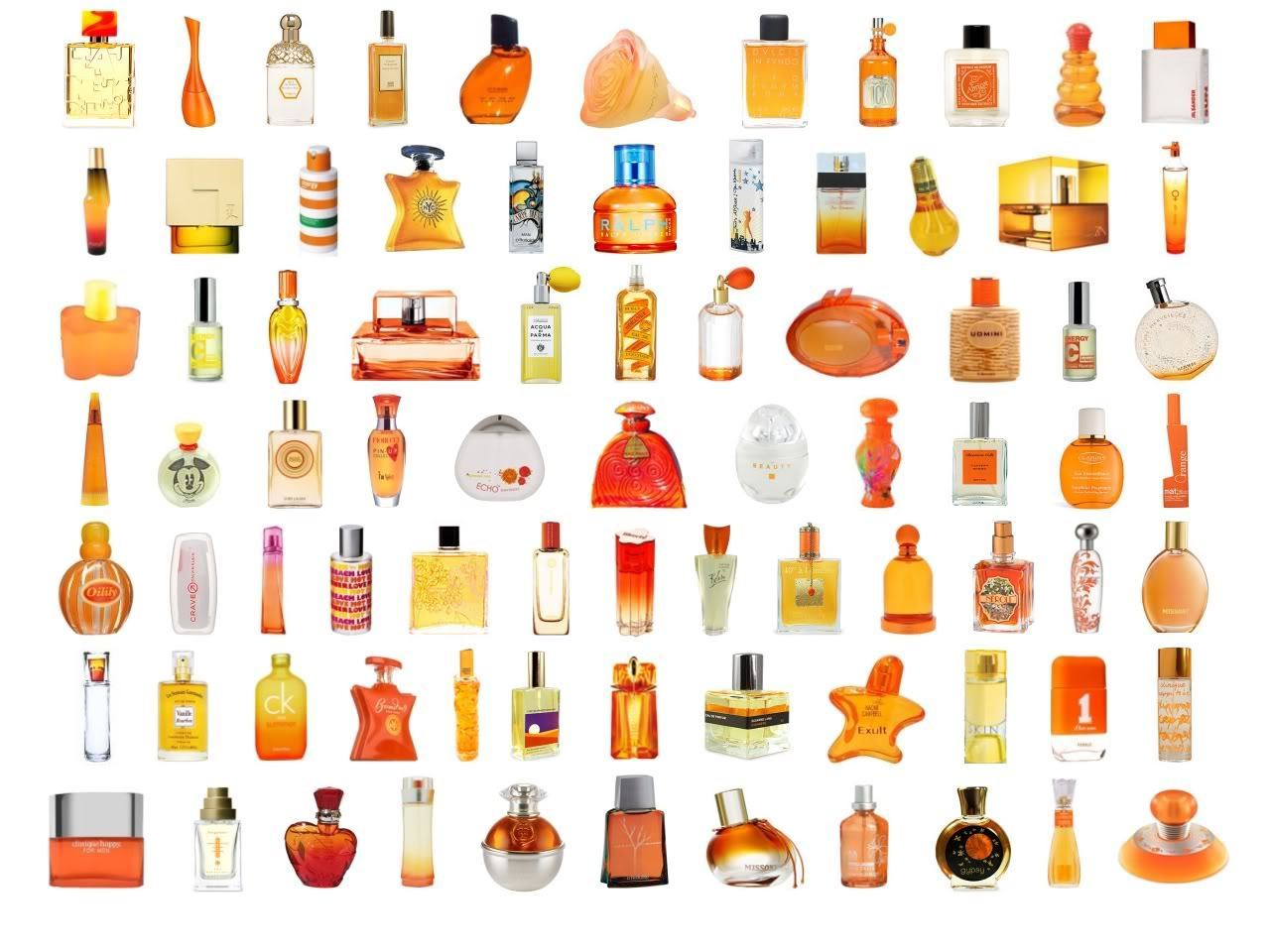
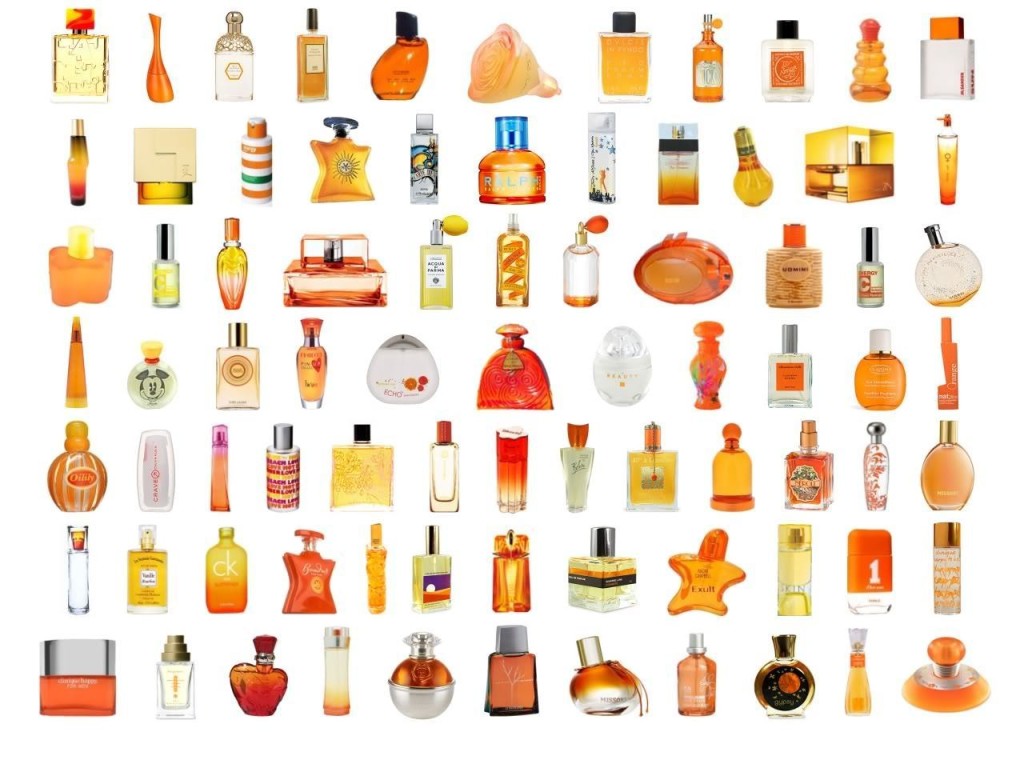
- Perfume
- Air freshener
- Nail polish
- Hairspray
- Deodorant
- Feminine products
- Plastic food packaging
- Plastic wrap
- Plastic water bottles
Why Phthalates Are Dangerous.
One of the notable behaviors of phthalate compounds is that their decomposition accelerates as plastics age – this is one of the reasons that phthalates are so dangerous and nearly impossible to completely avoid.
Phthalates pose a very high risk to your health and to your baby’s well being. Potentially carcinogenic, phthalates can prove toxic to developing fetuses and can produce birth defects in baby boys.
Phthalates also interrupt your body’s natural hormonal processes – “hormone disruptors.” Phthalates can wreak havoc on your fertility levels, jeopardize your endocrine system, and can also incite endometriosis and PCOS, a serious ovarian disorder.
The good news about phthalates is that they do not accumulate in the body, unlike other harmful chemical compounds. Speaking unambiguously to the ubiquity of phthalates, a 2001 CDC study revealed that every single person in the study had phthalates in his or her body. Because women so often use products containing phthalates (like cosmetics), sustained exposure to these chemicals is high for females.
Women in their childbearing years and children hold the greatest risk of phthalates producing serious consequences to their health and their baby’s health. Research from the Columbia University Mailman School of Health correlated prenatal exposure to phthalates to several disorders in preschool-aged children: reduced mental development, motor skill deficiency and behavioral challenges. Women who unwittingly use products containing phthalates can jeopardize their children’s future.
How to Minimize Exposure to Phthalates
Identifying phthalates in your product’s ingredient list seems challenging and tedious. But here are a few tips to help you:
- Avoid all products from companies that list “fragrance” as an ingredient. In our blogpost about “How to Read a Label,” we explained that, due to patent guidelines, fragrances are legally protected from having to disclose contents. Phthalates are often used in creating fragrances, but are not disclosed as an ingredient because they are a part of the “fragrance” of a product. As an alternative, use products that, like Nine Naturals, only use natural, plant-derived fragrances.
- Seek out transparency on product labels. Purchase from companies who disclose all the ingredients contained in their products. Consumers shouldn’t have to guess what goes into the products they use on their body. For instance, Nine Naturals always discloses the exact fragrance of its products and never hides ingredients behind a “fragrance” label.
- Avoid products containing one of these acronyms: DBP, DEHP, DMP, or DEP. Also note that “dibutyl / diethyl ester,” or any variation thereof, signals phthalates. So does “1,2-benzenedicarboxylate.”
- Use glass containers to store food. Phase out that plastic Tupperware! And promptly throw away Tupperware that is already showing scratches and other signs of damage.
- Never use plastic containers or plastic coverings, like plastic wrap, when heating food. Heat can accelerate the breakdown of phthalates in plastic. Transfer your food to a glass bowl or plate and use a paper towel or a plate as a cover.
A Natural Solution
Keep in mind – natural hair maintenance offers more than phthalate-free, chemical-free safety; it also fosters sensational hair. Pregnant women who use plant-based, natural products can capitalize on their fuller locks without worry.
Mother Nature helps achieve this with stunning “ingredients” like cupuaçu butter, which nourishes hair with its Omega-6 and -9 fatty acids. Meadowfoam seed oil naturally protects hair against UV radiation. And impressive shine is just one asset of the oil from the sweet almond. Nine Naturals’ phthalate-free, all-organic shampoo and conditioner incorporate these and other healthy-body, healthy-hair ingredients.