






Archive for the ‘Pregnancy’ Category

Natural Fixes For Your Summer Beauty Problems

Pregnancy can be difficult at the best of times but it can be downright demanding during the hot summer months. Not only is your body changing, but a whole new crop of summer beauty problems such sunburn and sweat means your beauty routine needs an overhaul too. Luckily, that’s the one thing you don’t have to sweat about this summer - we’ve figured out the best all natural, pregnancy safe beauty fixes for all your summer beauty woes:

Summer Beauty Problem: Sunburn

We all know that sunburns can be downright painful at times. To soothe your skin:

Summer Beauty Problem: Chlorine Dry Hair

The healthiest of hair can get incredibly dry after long weekends spent swimming in chlorine filled pools or splashing around in the salty ocean water. To bring shine and lustrous texture back to your hair:

  • Use an all-natural deep conditioner in your hair, such as Nine Natural’s Mandarin + Ginger Restorative Conditioner, to tame your tresses.
  • Work a small amount of coconut oil into your hair, leave on for 20 min & wash out. For added hydration and moisture, leave the coconut oil in your hair overnight and wash it it out in the morning.

Summer Beauty Problem: Sweat

Sweat is a part of everyday life but it can get excruciatingly uncomfortable during a summer pregnancy. To combat sweat:

Summer Beauty Problem: Dry, Itchy Skin

Dry, itchy skin seems like a rite of passage with pregnancy - especially during the summer. But it doesn’t need to be. To hydrate your skin:

Summer Beauty Problem: Swollen Feet & Legs

Swollen feet during the summer is a beauty problem for all women, but it’s especially bad for pregnant women. It may not be possible to prevent swelling from developing, but you can prevent it from becoming severe:

  • Wear comfortable shoes and avoiding tight straps or anything that might pinch if your feet swell.
  • Keep your feet elevated as often as possible. Keep blood flow moving by stretching and taking walking breaks throughout the day.
  • Cool your feet down in cold water.

Summer Beauty Problem: Breakouts

Excess hormones from pregnancy and extra sweat from hot summer months can lead to the perfect acne-causing combination. To manage acne naturally:

  • Exercise as sweat detoxifies the skin.
  • Wash your face twice daily with a gentle, all-natural facial cleanser. Pat dry your skin as rubbing can irritate the skin and worsen your acne problems.
  • Use natural skincare products and makeup that is free of harsh chemicals such as dimethicone and fragrance, which can clog your pores or cause irritation.
  • Change your pillowcase often to prevent bacteria buildup on the fabric of your pillowcase.
  • Consult our Acne During Pregnancy guide for more tips!

Summer Beauty Problem: Hyperpigmentation

Although pregnancy can give your face that great glow, it can also lead to hyperpigmentation - a darkening of skin around particular areas on your face. Sun exposure can worsen this issue. To minimize hyper-pigmentation:

Pregnancy Mental Health Series: An Introduction To Maternal Mental Wellness

In our culture, the word pregnancy conjures up a “glowing” image akin to an earth mother walking in a field with wild flowers. Her world seems blissful, peaceful and brimming with promise for the future.

In reality, pregnancy is rarely, if ever, such a walk in the park.

Hormone levels peak at over 100x pre-pregnancy levels, bringing with them various physical and emotional changes. Furthermore, the sense of unknown and lack of control that comes with being pregnant is often stressful and can be down right terrifying. Many of us feel they can’t ask for help. We write off feelings of sadness and anxiety as a ‘normal’ part of the hormonal shifts of pregnancy. Many of us ‘just wait it out’ if experiencing negative psychiatric symptoms with the expectation that we will feel better once the baby is born. Unfortunately, this is often not the case.

As we discuss maternal mental wellness in this and future posts as part of our Pregnancy Mental Health Series, remember – just as you take care of your physical health, you must also take care of your mental health for both the health of you and your baby.

How Your Mental State Changes During Pregnancy

While pregnancy used to be a time that was considered ‘protective’ from emotional problems, we now know that this is not the case. Instead, postpartum mood and anxiety disorders (PMAD) affect up to 20% of new moms, and are considered the most common complication of pregnancy. Thirty-percent of these women developed symptoms either before or during pregnancy that continued into the postpartum.

Many factors influence whether a woman will experience mood symptoms during pregnancy, including:

  • Degree of support at home
  • Whether the pregnancy was planned or a surprise
  • Financial stability
  • Age
  • Family history for mood and anxiety disorders
  • Pre-pregnancy health and mood status - women who experienced severe PMS (Premenstrual Dysphoric Disorder) may be at an increased risk of experiencing mood symptoms in pregnancy
  • History of or existing psychiatric illness – women who abruptly stop their medications shortly before or after conception are at a significantly increased risk of relapse during pregnancy

How To Improve Your Mental Wellness Before Pregnancy

Ideally, a woman feels stable emotionally and physically for at least 3 months before conception. Do this by taking care of the entire body beginning before conception.

  • Minimize toxin and chemical exposure
  • Eat healthy foods that are organically sourced or locally grown
  • Take prenatal vitamins
  • Exercise before and continuing into and through pregnancy can help to improve the health of a pregnancy

Women who are suffering from or have a history of depression, anxiety or another mood disorder should speak with their mental health provider or OBGYN ideally in advance of conception about ways to maximize emotional stability while simultaneously minimizing risk to their future babies in pregnancy.

Realistically, Your Mental Wellness Will Be Challenged

Mood symptoms in pregnancy and postpartum can become very serious, and have short- and long-term negative effects. Many effective treatment options exist, and over 90% of women improve once in appropriate treatment and your doctor this article.

You should seek help during pregnancy if you:

  • Experience frequent dramatic shifts in mood
  • Cry often
  • Have difficulty sleeping (beyond from having to pee at night)
  • Eat too little or too much
  • Isolate from friends and family
  • Feel overwhelmed, worthless or guilty
  • Unable to enjoy things you usually enjoy
  • Lack motivation and feel apathetic
  • Have thoughts of harming yourself or your baby

Mental Wellness Affects You And Your Baby

Future posts in the Nine Naturals Mental Wellness + Pregnancy Series will focus on mental health during pregnancy/the postpartum period and will address specific risks associated with suffering from untreated mood symptoms during those times.

The important thing to remember is that being ill in pregnancy and during the postpartum period may have negative affects not only for mom, but also for her baby. Treatment for resolution of symptoms is often the safest option as compared to remaining untreated.

Online Resources:

  • Postpartum Support International (PSI): www.postpartum.net
  • Postpartum Progress: www.postpartumprogress.com
  • Massachusetts General Women’s Mental Health Site: www.womensmentalhealth.org
  • If you need immediate help, please call 1800-SUICIDE. In an emergency, if you fear you are at risk of harming yourself or someone else, please call 911.

Mental Health During Pregnancy

Carly Snyder, M.D. is a Psychiatrist in New York City with a focus and expertise in Reproductive Psychiatry. Dr. Snyder is the Clinical Course Director for the Reproductive and Perinatal Psychiatry Program at Beth Israel Medical Center. She holds faculty appointments in Psychiatry and Obstetrics and Gynecology at Beth Israel Medical Center, and a teaching appointment at Mount Sinai Medical Center. Dr. Snyder serves on the Board of Directors for Postpartum Support International, and is a member of the Women’s Mental Health Consortium in NYC. Dr. Snyder also sees patients in her private practice located on the Upper East Side of New York City. She received her undergraduate degree from Emory University, attended NYU School of Medicine and completed residency at Beth Israel Medical Center, with additional sub-specialized elective training at Weill Cornell’s Payne Whitney Women’s Program.

Dr. Snyder’s treats women experiencing emotional and psychiatric challenges at any age. Her approach uses a combination of traditional psychiatric methods with integrative medicine-based treatments to optimize the whole body, mind and well-being. Dr. Snyder provides individualized treatment that focus on improving a woman’s physical and emotional health. In addition to more traditional psychiatric modalities, she has extensive experience treating patients with natural supplements, either alone or in combination with pharmacotherapy. For more information, visit Dr. Snyder’s website or follow her Twitter.

The Unspoken: Varicose Veins

Article & Photo courtesy of Well Rounded NY

Brooklyn-based surgeon Dr. Yan Katsnelson tells us the best ways prevent and treat varicose veins.

While there’s undoubtedly a lot of focus going into your midsection during pregnancy, there are other parts of your body that are overlooked–sometimes because you can’t see them so well. Yes, you bought the best stretch mark cream but what about your legs? Up to 55 percent of women are affected by vein issues, including varicose veins which can often be triggered by pregnancy. Does your mama have vein issues? Then you may be at higher risk. Cardiothoracic Surgeon Dr. Yan Katsnelson says, “It’s estimated that about half of people who have varicose veins have a family member who also has them.” But you’re not alone. And there are natural ways to try and prevent them.

Here Dr. Katsnelson sheds some light on how to deal with varicose veins during pregnancy.

What causes varicose veins?
Many women first develop varicose veins–or find that they get worse–during pregnancy. As your uterus grows, it puts pressure on the large vein on the right side of your body (the inferior vena cava), which in turn increases pressure in the veins in your leg.

Veins are the blood vessels that return blood from your extremities to your heart, so blood in your leg veins already works against gravity. When you’re pregnant, the amount of blood in your body increases, adding to the burden on your veins. In addition, your progesterone levels rise, causing the walls of your blood vessels to relax.

What pregnant women can do to prevent varicose veins?
One of the best ways to prevent varicose veins is to wear compression socks, which helps to promote blood flow through your veins, preventing blood from pooling. It is also important to continue to exercise throughout your pregnancy. Something as simple as walking for 20 minutes each day can help keep your veins healthy. It is also important that you avoid wearing tight clothing and high heels. Make sure to leave the heavy lifting to someone else in your family during your pregnancy as well.

Are there any particular diets or exercises women can do to prevent varicose veins?
Eating a healthy, balanced diet comprised of whole grains, vegetables and fruits is important. In addition, make sure you get enough vitamin C in your diet as it helps to promote blood flow. Elevating your legs throughout the day is an easy way to keep your blood flowing and a key way to prevent varicose veins from forming. Low-impact exercises, such as walking, cycling and swimming, also help to prevent varicose veins.

What should women do if they develop varicose veins during pregnancy?
If you do develop varicose veins during pregnancy, don’t be alarmed. Invest in compression socks to help promote blood flow, which can make sure your varicose veins do not worsen. In addition, make sure you eat a balanced diet, engage in low-impact exercises and elevate your legs.

Is it possible for them to go away naturally?
Most of the time, the appearance of your varicose veins will improve a few months after pregnancy. However, varicose veins will not completely disappear on their own. Compression socks will help reduce pain and swelling, which can visibly reduce their appearance as well. Treatment for varicose veins is the only option that will completely cure the disease and decrease chances of complications of blood pooling in the legs.

What kind of treatments are available?
Due to technological advances, you can treat varicose veins without having to undergo surgery. Endovenous laser therapy is a non-surgical treatment that helps to permanently eliminate varicose veins. The procedure, which usually takes about 15 minutes from start to finish, uses laser energy to heat and close the veins that are not working properly. Other healthy veins naturally take over to promote healthy blood flow in the leg.

Are varicose veins harmful to a pregnant woman?
Varicose veins can lead to discomfort, such as swelling and an aching pain. Most of the time, they are not harmful. However, if you do not treat them, they can lead to serious health issues like skin ulcers and the development of blood clots.

This article is by Kaity Velez courtesy of Well Rounded NY. Conceived with love by former magazine editors Jessica Pallay and Kaity Velez, Well Rounded NY aims to be the singular pregnancy resource for city-savvy moms-to-be. Through reviews, profiles, expert Q&As, local guides and more, Well Rounded curates the New York City pregnancy and helps its readers come to terms – and term! – with pregnancy in the city.

Second + Third Trimester Nutrition: Managing Anemia and Heartburn During Pregnancy

nutrition-food-saftey-pic

At Nine Naturals, we firmly believe that everything that goes on and in your body during pregnancy can impact your health and your baby’s health. We are excited to announce that we have teamed up with registered dietitian and nutrition expert Samantha Lynch to bring you a 3-part Pregnancy & Nutrition Series, focusing on nutrition for every phase pregnancy!

As your body changes during pregnancy, it’s common to find yourself reacting differently to foods you have eaten your whole life. Something you’ve always disliked all of a sudden becomes mouthwatering, your weekly Chinese takeout becomes unbearable to digest or you might find yourself feeling weak and constantly craving red meat. Iron deficiency anemia and heartburn are two pregnancy symptoms that are quite common during the second and third trimester. Fortunately, with a proper diet you can help to manage these symptoms. Here are some tried and true nutrition tips:

Common Pregnancy Symptom: Iron deficiency anemia

Iron deficiency anemia is common during pregnancy because iron is essential in forming new blood cells. During pregnancy we make 50 percent more blood volume; therefore, our iron requirements are increased. Although many prenatal vitamins contain added iron, vitamins alone may not be sufficient.

Signs of Anemia: Feeling tired and weak, shortness of breath, cold hands and feet, brittle nails, fast heartbeat, restless leg syndrome, pica (term used to describe the intense craving for – and eating of – non-food items, such as soil, clay, ice, etc.).

Nutrition Tips To Increase Your Iron:

  1. Take a prenatal vitamin with 30mg iron.
  2. Cook iron-rich veggies such as spinach and kale with a cast-iron skillet can actually boost their iron content.
  3. Increase your intake of animal protein as it contains “heme” iron - absorbed by your body more readily than plant-based, non-heme iron. Some recommended servings include:
    • Heme Iron per 3-ounce serving: Lamb: 1.85 mg, Sirloin steak: 1.75 mg, Chicken breast: 1 mg, Salmon: 0.5 mg
    • Non-Heme Iron per 1 cup (Vitamin C rich food + Iron-rich foods = increased absorption of the iron): Cooked spinach: 6.43 mg, Fortified instant oatmeal: 3.96-6.8 mg, Cooked Swiss chard: 3.95 mg, Dried apricots: 3.46 mg, Dried figs: 3 mg
    • Vitamin C-Rich Foods to Pair with per 1 cup: Raw bell pepper: 118 mg, Cooked Brussels sprouts: 97 mg, Strawberries: 89 mg, Mango: 60 mg

Common Pregnancy Symptom: Heartburn

More than half of all pregnant women report symptoms of heartburn during their 2nd and 3rd trimesters. It is believed that the changing hormone levels during pregnancy affect the muscles of the digestive tract. The uterus, which protects your baby, rapidly grows up and out. This pushes your stomach and other surrounding organs around to accommodate your growing bump. When this happens the contents of your stomach are more likely to push through your lower esophageal sphincter, which is located at the bottom of your esophagus and the top of your stomach. I like to think of the lower esophageal sphincter as a small door that prevents the flow of acid from your stomach back up the esophagus. During pregnancy the hormones cause it to be more relaxed, allowing stomach acids to splash back up the esophagus.

Signs of Heartburn: Chest Pain, difficulty swallowing, burning in the throat, burning feeling in the chest.

Nutrition Tips to Manage Heartburn:

  1. Avoid the following foods: Black pepper, Caffeine, Chili and Chili pepper, Chocolate, Citrus fruits like oranges and grapefruits, Deep-fat fried foods, Garlic, Spicy, Tea, Mint oils (as found in breath mints, chewing gum, mouthwash, or toothpaste), Peppermint, Tomatoes, tomato sauce, tomato juice, ketchup.
  2. Avoid large meals (have 5-6 mini-meals throughout the day instead of 3 large ones)
  3. Avoid tight fitting clothing.
  4. Try not to bend over and forward. Crouch down in a squatting position instead.
  5. Avoid lying down within 90 minutes of a meal.
  6. Prop yourself up with pillows while on your left side.
  7. Chew food well and relax while eating.

The great news is that if you didn’t have heartburn before pregnancy, you will likely be heartburn free after you give birth. If you are still struggling and not getting relief, please discuss with your OBGYN.

B8P2217Samantha Lynch, MS, RD, CDN, is a registered dietitian who caters to everyone from engaged couples, pre-post natal woman, athletes, celebrities to students and stay-at-home moms. Based in Manhattan, she holds a Master’s Degree in Clinical Nutrition from NYU. After graduating in 2009, she started her own nutrition counseling practice to fulfill her dream of helping people live longer, happier and more energetic lives without compromising their social schedule. Samantha has been featured as a nutrition expert in Cosmopolitan Magazine, Refinery29, Shape.com, The Daily Meal, & OK TV and was also featured as herself in a national Boost commercial airing in both the US and Canada. Samantha is an active member of the Academy of Nutrition and Dietetics and Greater New York Dietetic Association. She lives in Manhattan’s Union Square with her husband Roger, 3 year old daughter Lucy, and Baby #2 is due July 2014.

Your Body Will Thank You: Tricks To Drink More Water Each Day

water woman 5

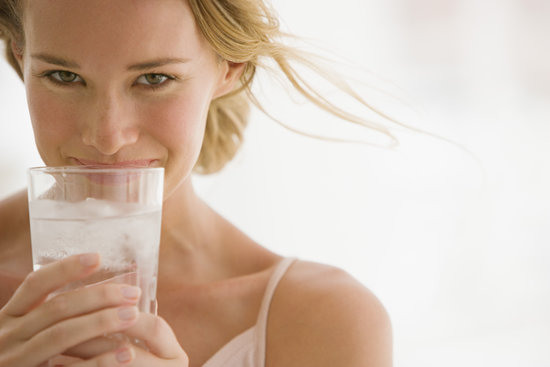
There’s a reason you are constantly hearing the words “drink more water.” Water is essential for healthy blood cells, properly functioning vital organs, flushing out toxins, giving you dewy skin and keeping your body hydrated. Staying hydrated becomes twice as important during pregnancy as your body needs more water to cope with the demands of a changing body and growing a little baby. During the summer it is even more important because even slight dehydration can cause severe problems like preterm labor.

Knowing all this - why is it still so difficult to get enough H2O? We’ve put together our team tested tricks to help you get fully hydrated (approximately half your body weight in ounces):

1. Start Your Day Off With Water: Drink a full glass of water as soon as you wake up in the morning - it sets the bar for the rest of the day.

2. Find THE Water Bottle: Whether you like bright colors, dark designs, or just a plain surface, once you discover the right water bottle you’ll find that drinking enough water isn’t as hard as you thought. Remember, safety is just as important as looks so get a BPA-free or glass water bottle.

3. Always Take Your Water Bottle With You: Wallet, Cellphone, Keys…WATER BOTTLE. Remember to grab your water bottle in the morning with the rest of your things. The closer it is to you, the more likely you are to drink water.

4. Use An App Or Alarm On Your Phone: If you simply forget to drink water, setting up alarms on your phone or using apps like WaterLogged (iPhone) and Carbodroid (Android) can give you reminders to drink up throughout the day.

5. Make Yourself a Non-alcholic Bubbly: If water is simply too bland for you, sparkling water can help you hydrate yourself while also keeping your taste buds satisfied. You can make your own sparkling water at home with a Sodastream machine.

6. Add Natural Flavor: If bubbles aren’t enough flavor, add a slice of lemon in your water! Another alternative is to add berries, oranges, mint or even cucumbers to your water - it’ll taste great and have you feeling like you are at a spa.

7. Put It On Ice: Gulp down more water by adding ice to your glass!

8. Use A Straw: Using a straw makes it easier to drink water and also makes it seem like more of a treat. Would a milkshake or a smoothie be as good if you were to just sip it rather than drink it out of a straw?

9. Remind Yourself Of The Benefits: If you still need added motivation, remember water gives you more energy, improves your immunity, flushes out toxins, promotes healthy skin - helping make you the best version of yourself.